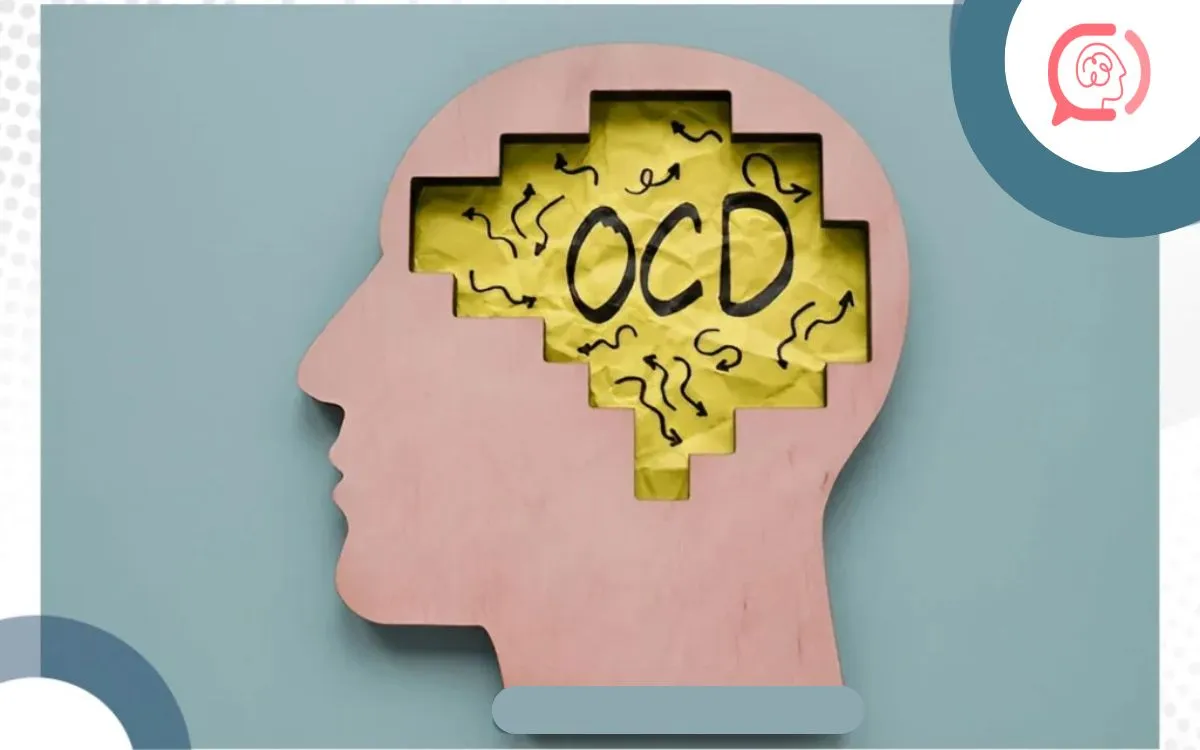

Many people repeat certain habits every day. Checking the door twice, washing hands often, or arranging things in a certain way can feel normal. But sometimes people start wondering. Is this just a habit, or something more serious like OCD?
Understanding the difference between everyday habits and obsessive-compulsive disorder is important. It helps reduce fear and brings clarity.
What Are Small Habits?
Small habits are part of normal life. Everyone has routines that make them feel comfortable. These habits are usually flexible.
For example, you may check your phone in the morning or double-check if you locked the door. You do it once or twice and then move on. If you miss it, you may feel a little uncomfortable, but it does not disturb your whole day.
Habits are not driven by fear. They are often about convenience, comfort, or routine. You are still in control of them.
What Is OCD?
Obsessive Compulsive Disorder, or OCD, is different. It is not just about being neat or careful. It involves two main parts: obsessive thoughts and compulsive actions.
Obsessive thoughts are unwanted and repetitive. They create anxiety or fear. For example, a person may constantly think, “Did I lock the door?” even when they already checked it.
Compulsions are repeated actions done to reduce that anxiety. So the person may keep checking the door again and again, not because they want to, but because they feel they must.
Unlike habits, OCD feels distressing. It is not enjoyable or flexible. It can take up a lot of time and energy.
Key Differences Between Habits and OCD
One major difference is control. With habits, you can stop if needed. With OCD, stopping feels very difficult and uncomfortable.
Another difference is emotion. Habits feel neutral or slightly satisfying. OCD usually comes with fear, stress, or anxiety.
Time is also a factor. Habits take a small part of your day. OCD can take a large part of your time and affect daily life.
Most importantly, OCD creates a cycle. The more you act on the compulsion, the more the obsessive thought returns.
Why This Confusion Happens
It is easy to confuse habits with OCD because both involve repetition. In today’s world, people often talk about being “so OCD” when they like cleanliness or order. This can create misunderstanding.
But OCD is not just about preferences. It is a mental health condition that can feel overwhelming and exhausting.
When Should You Pay Attention?
You may need to pay closer attention if:
- You feel strong anxiety when you do not follow a routine
- You repeat actions many times even when you do not want to
- Your thoughts feel unwanted and keep coming back
- These behaviors take up a lot of your time
- They interfere with your daily life, work, or relationships
If these signs feel familiar, it may be more than just a habit.
What Can Help
The first step is awareness. Noticing the pattern is important. Try not to judge yourself. OCD is not about weakness. It is a mental health condition that can be treated.
Simple coping strategies like grounding techniques, delaying compulsive actions, or focusing on breathing can help in mild cases.
However, professional support is often needed for long-term improvement.
Final Thoughts
Small habits are a normal part of life. They help us stay organized and comfortable. OCD is different. It is driven by fear, and repetitive thoughts that feel hard to control.
Understanding the difference removes confusion and reduces self-blame. If your thoughts or behaviors feel overwhelming or affect your daily life, it is important to seek help.
Talking to a mental health professional can provide guidance, support, and effective treatment options. Early support can make a big difference in recovery and daily well-being.
If you really want to help person with OCD or any other mental struggle, download Tranquility. The app is full of wellness reads that can help you spread the awareness towards mental health.























Sign in to leave a comment.