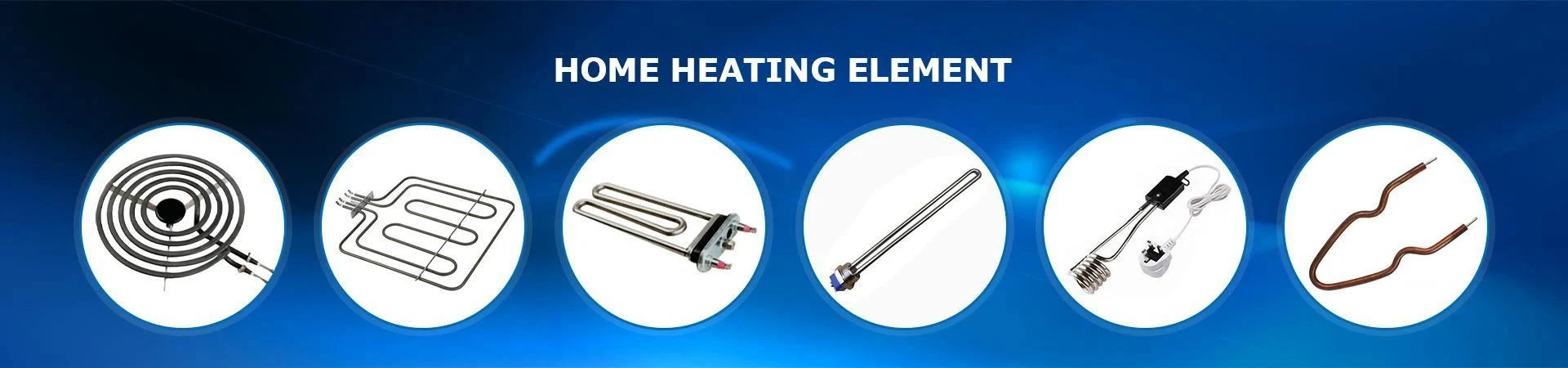

Heating elements play a crucial role in enhancing bathroom and kitchen comfort. In Malaysia, the climate is predominantly hot and humid. The idea of home heating may seem counterintuitive at first glance. However, certain areas of domestic life—such as water heating, industrial applications, high-altitude living, and smart homes—require efficient and cost-effective heating elements. If you are upgrading your water heater or enhancing bathroom comfort, understanding the importance of quality heating components can make a big difference.
This guest post examines the essentials of home heating elements in Malaysia, highlighting their importance even in a tropical environment, and guides on selecting the best products tailored to Malaysian homes.
Understanding the Role of Heating Elements in Malaysian Homes
Let’s discuss the role of heating elements in Malaysian homes.
Common Uses of Home Heating Elements in Malaysia:
· Water heaters for bathrooms and kitchens
· Electric kettles, rice cookers, and other appliances
· Heated towel rails for bathrooms in the Highlands
· Floor heating systems for bungalows and villas in cooler zones
· Industrial or workshop settings for home-based businesses
These applications highlight the growing relevance of energy-efficient, reliable heating elements even in tropical regions.
Benefits of Energy-Efficient Heating
Over the last 40 years, the use of energy within the domestic sector has increased by 15%, against an overall increase of 34% for industry as a whole. It is therefore inevitable that concerns with energy efficiency and the control and use of energy, both in terms of supply and demand, have become the subject of a major statutory review. The control of demand for energy is important for reasons that are political and economic—and in the longer term, also environmental.
Implementation of energy-saving measures through demand control can lead to the elimination of shortages and higher fuel costs, stabilising prices for all consumers. Moreover, reducing energy demand alleviates its impact on the environment. From the consumer's viewpoint, conservation measures imply lower energy costs in the future.
Sustainable Heating Solutions
Biomass, thermal, and solar heating solutions are playing an important role in reducing the carbon footprint. They also help to reduce air pollution.
They also include a growing number of electric heating elements that utilize emerging technologies to enhance energy efficiency. While many of these solutions are beginning to make their way into Malaysia, at present, they are not yet widely adopted by Malaysian households.
Given today’s technology, heat pumps represent the most energy-efficient and environmentally-friendly heating technology available to Malaysian households, as their coefficient of performance is typically significantly higher than electric resistance heaters and gas heating appliances. Many heat pumps—notably air-source and ground-source heat pumps—are designed to operate highly efficiently in cold-weather countries, and their efficiency decreases as the ambient air or ground temperature increases. However, mobile heat pump units have recently been designed specifically for tropical climates and are appropriate for use in Malaysia.
Smart Technology in Heating Solutions
Malaysia requires very little heating compared to most countries in the world. Residents living near the slopes in mountainous regions may experience a drop in temperature, particularly during the monsoons when the weather becomes very cold and gloomy. It is during these periods that a heater is beneficial. Even though blacked-out areas may not be considered very cold compared to the countries mentioned earlier, heaters or heating systems in such areas are still commendable in terms of guarding against freezing or other temperature-related problems. Crimping devices are often used for internal heating for commercial buildings or places prone to very low temperatures that Malaysian cities generally do not face.
The introduction of smart homes and the need for living areas to control appliances through voice or mobile applications has resulted in the smart car heater becoming an essential option for heating technology. Many of the heaters available on the market are simple and not yet considered smart. Thus, a heater or heating element with a smart controller can be an additional feature to enhance this heating technology.
Types of Heating Elements
Heating process efficiency often depends on selecting the right type of heating element. Heating elements with a higher resistance value dissipate more power, measured as watts per foot (w/ft). Heating elements come in metal-encased or mica band types.
Track heating, strip heating, cartridge heating, and coil heating are other types of heating elements that can be considered.
Most home heating equipment uses electric resistance heating elements. Heating element resistance in kilowatts can be computed using a kilowatt rating, which accounts for the history of load cycling and temperature. The heating elements can either be heated electrically or by gas. In overall ratings, the energy efficiency of gas is much lower compared to electrical heating elements.
Climate Considerations in Malaysia
The right choice of a heating element in Malaysia should consider the local climate carefully. The climate also influences the durability of heating elements. Electric elements require moisture protection, making moisture-resistant heating elements moderately suitable for use in Malaysia. Gas heating elements, not being affected by moisture, tend to be more durable within the humid Malaysian environment. Immediate-heating gas water heaters react with a flame when the hot water tap is turned on, producing hot water quickly without requiring a storage tank. This mechanism avoids the prolonged exposure to humid air that storage tank heaters face, reducing rust and corrosion of heater components.
Types of Home Heating Elements Popular in Malaysia
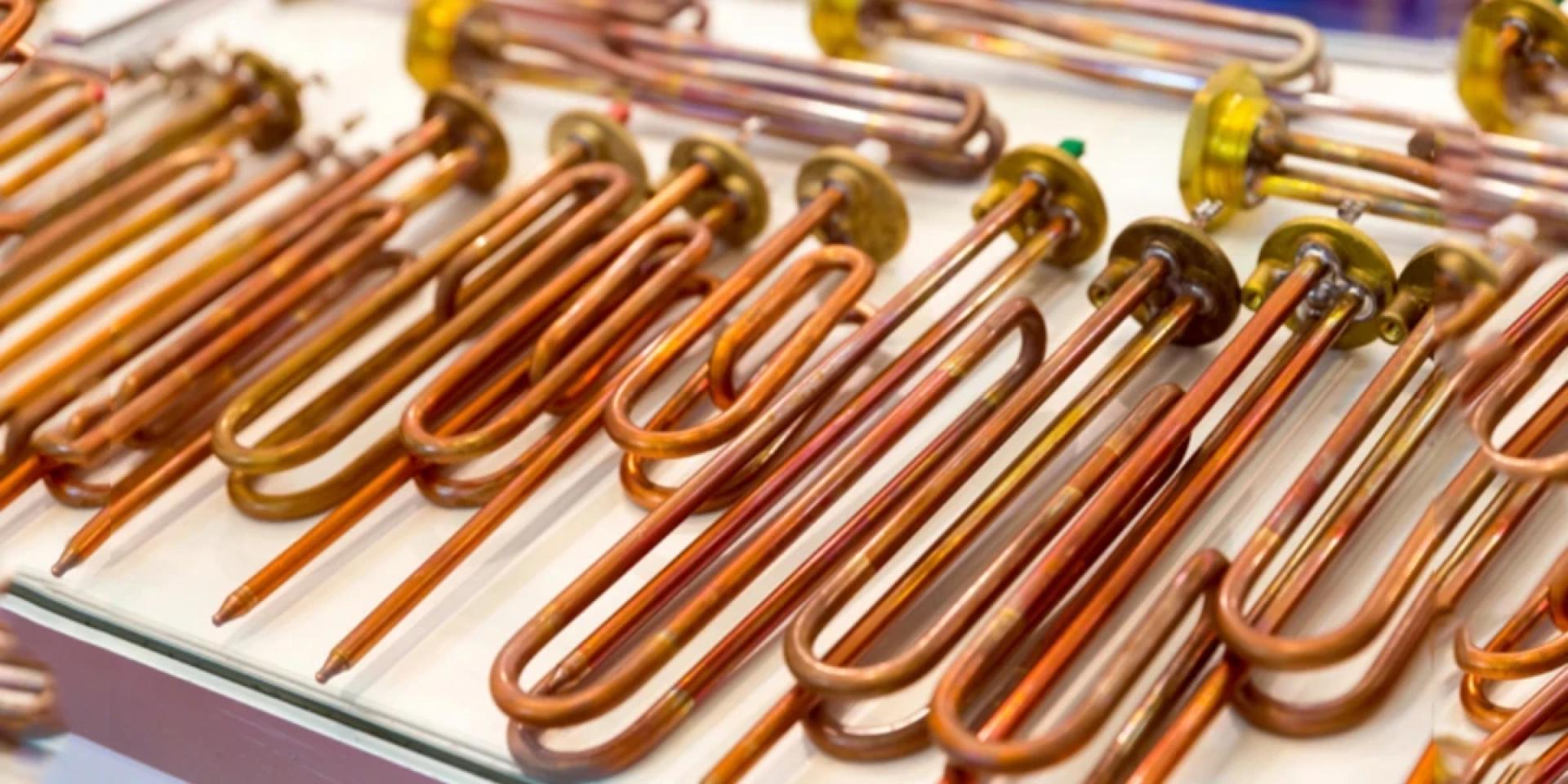
1. Tubular Heating Elements
· Most common for water heaters, electric ovens, and storage tanks
· Known for excellent heat transfer and moisture resistance
2. Immersion Heating Elements
· Used in kettles, water tanks, and bathtubs
· Directly immerse in water, delivering fast heating
3. Ceramic Heating Elements
· High-temperature stability and safe for indoor use
· Popular in highland homes or cool interior zones
4. Flexible Silicone Heating Pads
· Used for pipe heating or niche applications like hydroponics
· Easily bendable and safe for DIY installations
5. PTC (Positive Temperature Coefficient) Elements
· Self-regulating, energy-efficient options
· Safe and ideal for bathroom or bedroom heating fans
Gas Heating In Malaysia
Given the properties of any element, selections must align with the desired energy delivery. While all heating elements offer heating capabilities, they should not be judged solely on that criterion. For example, although the resistance coil heater is among the oldest, it remains widely used due to features such as durability (withstanding scratches, dents, and corrosive environments), adherence to firefighting standards, and superior heat distribution.
Gas heating remains popular in Malaysia despite the availability of superior technologies, primarily because of competitive gas tariffs. Gas heating elements can be configured as centralised or unitary systems.
Wrapping Up
Eco-friendly solutions are growing in Malaysia. Energy efficiency becomes the national priority, and this priority leads to green heating solutions. Energy efficiency, durability, comfort, and safety are the important factors to consider. Whether you’re replacing a heating coil or shopping for a new appliance, look for Material Quality, Energy Efficiency Rating, Safety Certifications, and ease of maintenance. NTT Heating is the solution for all your heating-related needs in Malaysia. They are known for offering innovative and long-lasting products for home needs as well as for business needs. Home heating elements Malaysia are a long-term investment in performance, savings, and sustainability.

























Sign in to leave a comment.