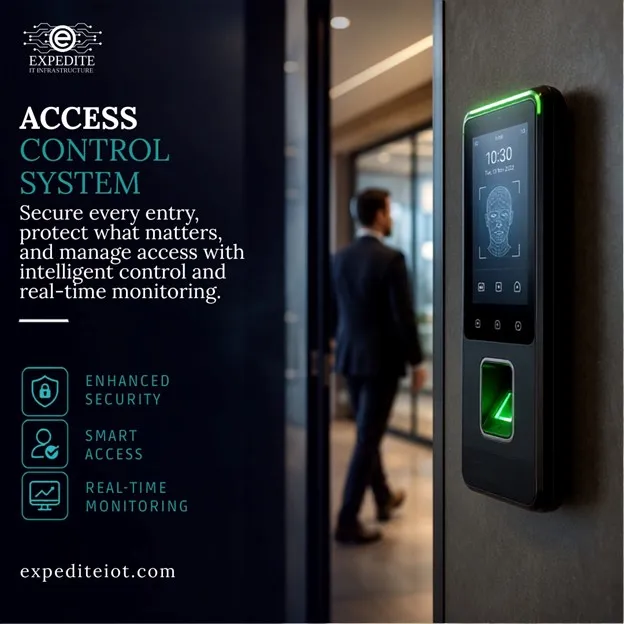

Hospitals in Bahrain manage some of the most sensitive spaces in the country - operating theatres, pharmacy stores, neonatal units, and patient data centers. A reliable Access Control System is what stands between these critical areas and unauthorized entry, giving hospital administrators precise control over who can enter which zone, and at what time, without slowing down the daily flow of doctors, nurses, and patients.
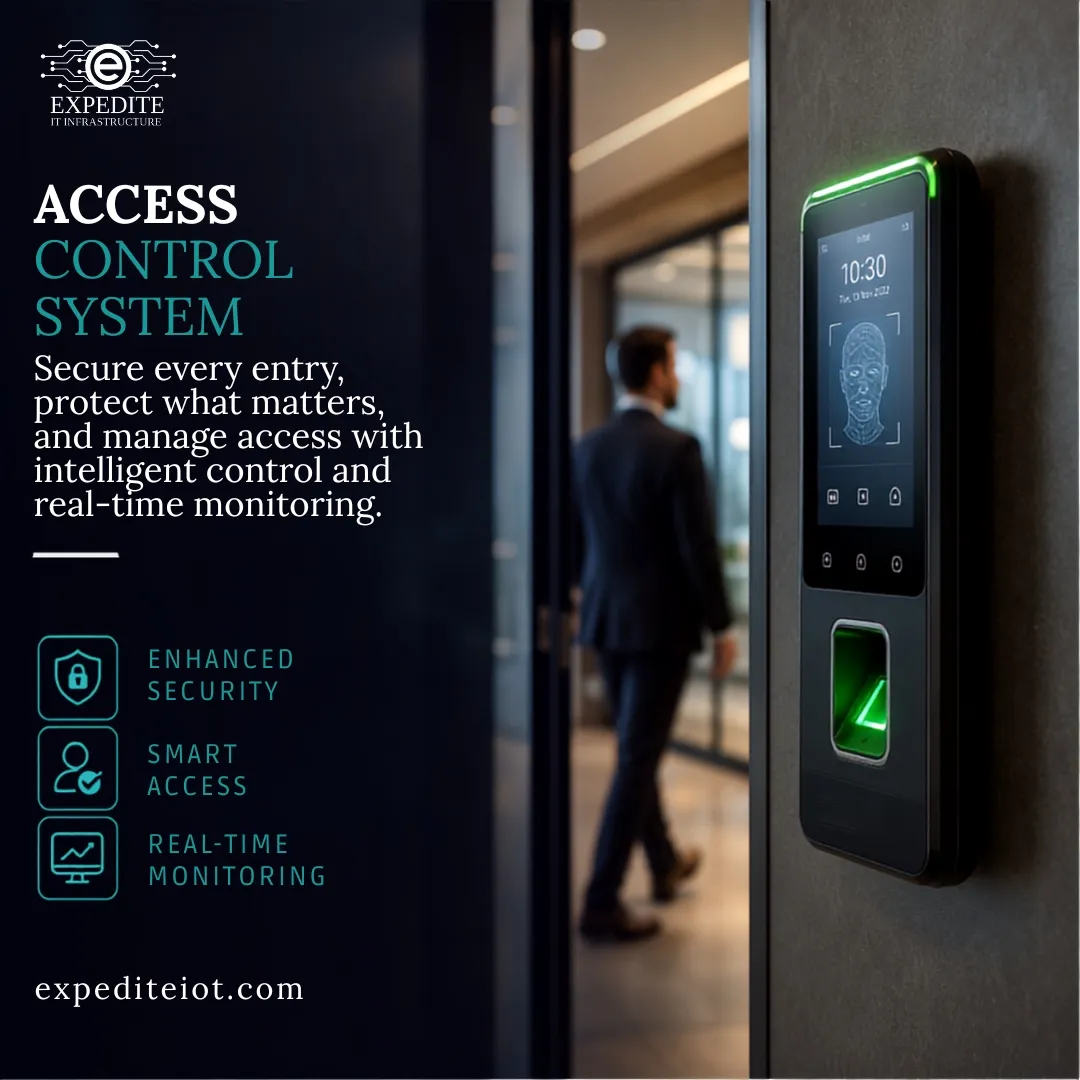
As Bahrain's healthcare sector invests further in digital infrastructure, hospitals are replacing outdated lock-and-key systems with intelligent, networked security. The right platform doesn't just restrict doors - it creates a complete audit trail, integrates with visitor management and turnstile hardware, and gives facility managers real-time visibility across every entry point on campus.
Why Hospitals in Bahrain Need a Dedicated Access Control System
A hospital is one of the few buildings where security failures can directly threaten patient safety. Restricted wards, medication stores, and server rooms holding electronic health records all require strict, provable control over who has entered and when. Traditional metal keys offer none of this - they can be copied, lost, or shared, and they leave no record of use.
Digital access systems solve this by assigning every staff member, contractor, and department a unique, revocable credential. If an employee leaves or a badge is lost, access can be disabled instantly across every door, without the cost and disruption of rekeying locks. For hospital compliance teams, this also means every entry event into a sensitive area is logged and available for audit.
Core Technologies Behind a Modern Hospital Access Control Solution
A hospital-grade security platform typically layers several complementary technologies rather than relying on a single method of verification. Choosing the right mix depends on the sensitivity of each zone within the facility.
Biometric Access Control System for Restricted Clinical Zones
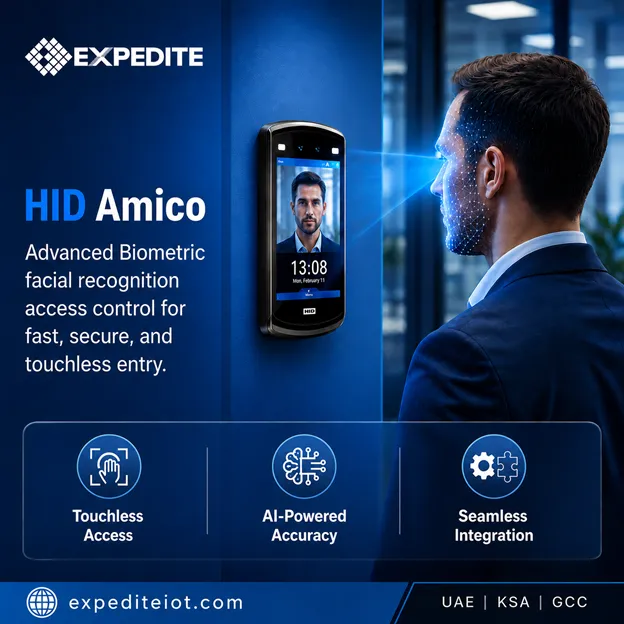
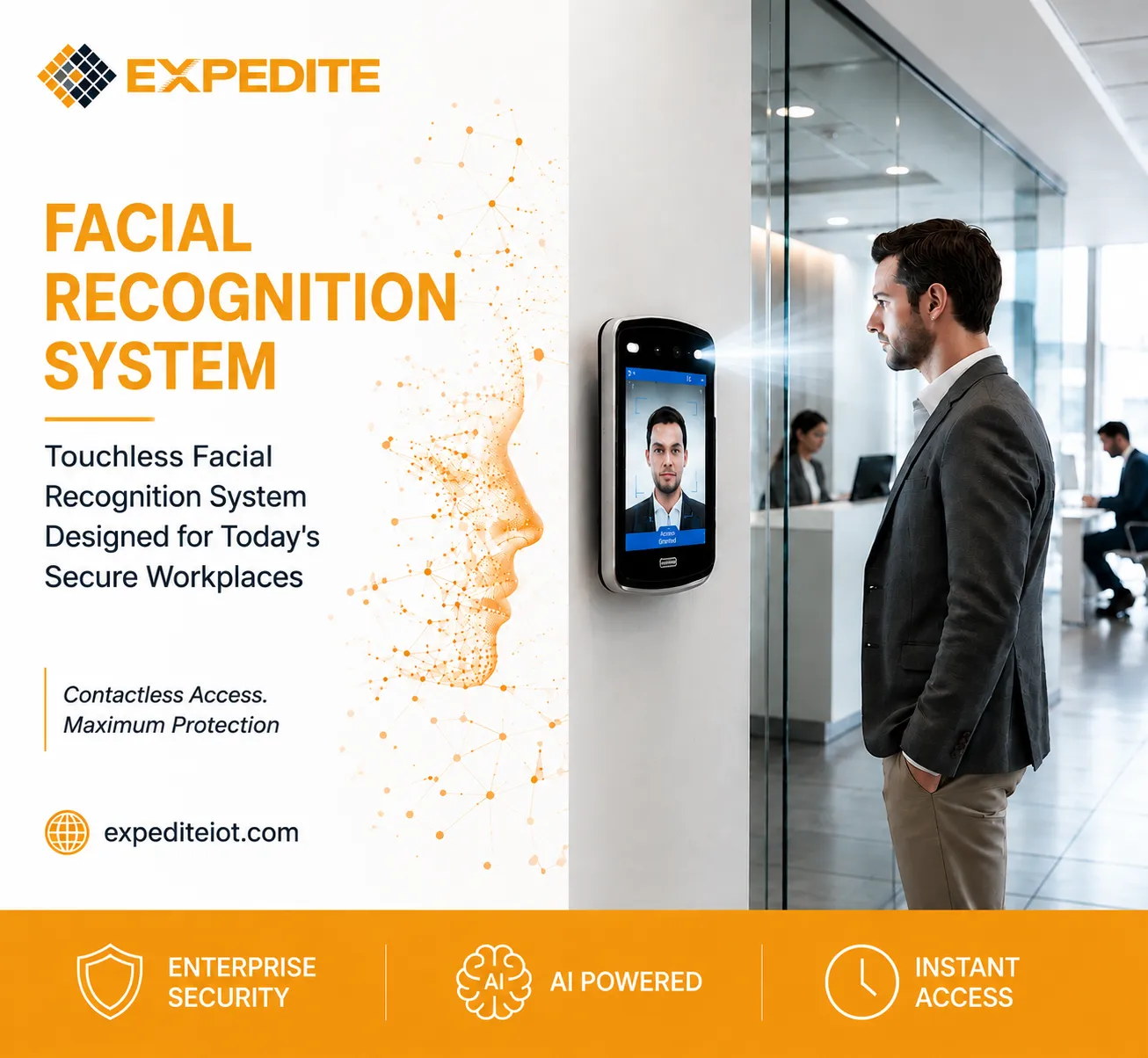
For high-security areas such as operating theatres, pharmacy stores, and neonatal units, a Biometric Access Control System using fingerprint, iris, or facial recognition offers verification that cannot be shared or duplicated the way a card or PIN can. Iris and fingerprint scanners are especially suited to dual-authentication setups where hospitals want two independent identity checks before granting entry to the most sensitive zones.
Security Access Control System for Layered Hospital Protection
A well-designed Security Access Control System applies different verification levels to different parts of the campus - simple card access for general staff corridors, biometric checks for clinical zones, and dual-factor authentication for data centers and controlled-drug storage. This layered approach ensures security is proportional to risk rather than uniformly applied everywhere.
Door Access Control for Wards, Pharmacies, and Server Rooms
At the individual door level, Door Access Control hardware - electric strikes, magnetic locks, and networked readers - enforces the access policy set centrally by hospital administration. Each door can carry its own schedule, so a pharmacy store might automatically lock outside business hours while a ward entrance remains accessible to on-duty staff around the clock.
Mobile Access Control for Staff Convenience and Flexibility
Increasingly, hospital staff are moving away from physical cards altogether. Mobile Access Control lets clinical and administrative employees unlock approved doors directly from a smartphone app using Bluetooth or NFC, reducing the operational burden of issuing, replacing, and deactivating physical badges - particularly useful for large hospital campuses with high staff turnover or rotating shift workers.
Choosing the Right Access Control Device for Your Hospital Campus
Hardware selection should match both the traffic volume and risk profile of each entry point. A busy staff entrance needs a fast, durable Access Control Device capable of handling hundreds of daily reads without failure, while a server room or controlled-substance store benefits more from a slower, higher-assurance biometric reader. Weatherproof housings are also essential for any device installed at outdoor entrances or loading docks exposed to Bahrain's climate.
Facility managers should also consider integration capacity - whether a device can connect to Active Directory, send SMS and email alerts, and feed data into a centralized reporting dashboard - rather than evaluating hardware in isolation from the software managing it.
Key Benefits of Access Control Solutions for Bahrain Healthcare Facilities
Deploying comprehensive Access Control Solutions across a hospital campus delivers benefits that extend well beyond locked doors. Facility and security teams typically report:
- Real-time visibility into who accessed which area and when
- Instant credential revocation when staff roles or employment change
- Reduced risk of unauthorized entry into pharmacy and controlled-drug stores
- Stronger compliance posture through detailed, exportable audit trails
- Lower long-term costs compared to repeatedly rekeying mechanical locks
- Better emergency response through instant lockdown of sensitive zones
Access Control System Manama: Meeting the Needs of the Capital's Leading Hospitals
As Bahrain's capital and largest urban center, Manama is home to the country's highest concentration of hospitals, private clinics, and specialist medical centers. An Access Control System Manama facility can depend on needs to handle dense, multi-building campuses, high daily visitor volumes, and integration with the broader security infrastructure typical of large urban medical centers - from parking access to staff-only wings.
For hospitals expanding across multiple sites within Manama and the wider Kingdom, a scalable Access Control System Bahrain provider can support needs to centralize management under a single dashboard, so security teams can monitor and adjust access policy across every location without visiting each site individually.
Integrating Access Control with Visitor Management and Turnstile Security
Access control delivers the most value when paired with complementary systems rather than deployed alone. Synchronizing door access with visitor management software ensures a registered visitor's temporary badge only opens the specific doors relevant to their appointment, while integration with speed gate turnstiles at main entrances adds a physical layer of crowd and tailgating control at high-traffic lobbies.
This is where Expedite IoT's access control platform stands out for Bahraini healthcare operators - the system is built to integrate biometric readers, visitor management, and turnstile hardware under one centralized dashboard, avoiding the fragmented, hard-to-manage security stack many hospitals end up with when systems are purchased separately.
Why Healthcare Facilities Across Bahrain and the GCC Choose Expedite IoT
Expedite IoT has deployed biometric and networked access control infrastructure across Saudi Arabia, Qatar, Oman, and the UAE, giving the team direct, hands-on experience with the regulatory and operational demands of Gulf healthcare environments. Every project is supported end-to-end, from initial site survey and device selection through installation, staff training, and ongoing local maintenance - ensuring the system fits each hospital's specific building layout and compliance requirements.
For Bahraini hospital administrators evaluating biometric access control solutions, this regional deployment history means fewer integration surprises, faster commissioning, and a support team already familiar with GCC healthcare data-protection expectations.
Conclusion
Securing a hospital campus in Bahrain requires more than a lock on the door. From biometric verification at operating theatres to networked door hardware at pharmacy stores and mobile credentials for on-the-move clinical staff, a modern access control system gives healthcare administrators precise, auditable control over every entry point without disrupting patient care. Whether the priority is a security access control system for layered protection, a dedicated biometric access control system for the most sensitive wards, or a scalable access control system for hospitals across Manama and the wider Kingdom, the right access control device and platform combination makes the difference between reactive security and proactive protection.
FAQs
1. What is a hospital access control system and how does it work?
It is a digital security platform that verifies identity - via card, PIN, or biometric scan - before unlocking a door, giving hospitals precise, revocable control over who can enter each area and a full record of every entry event.
2. Why do hospitals need biometric access control instead of key cards?
Biometric credentials such as fingerprint or iris scans cannot be shared, lost, or duplicated the way a physical card can, making them better suited to the most sensitive clinical zones like operating theatres and pharmacy stores.
3. Can access control systems integrate with hospital visitor management software?
Yes. Integrated systems automatically restrict a visitor's temporary badge to only the doors relevant to their appointment, and any attempt to access a restricted area triggers an immediate alert to security staff.
4. Is mobile access control secure enough for hospital staff entrances?
Mobile credentials use encrypted Bluetooth or NFC communication and can be revoked instantly if a phone is lost, making them a secure and convenient alternative to physical badges for staff-only entrances.
5. How long does it take to install an access control system in a Bahrain hospital?
Installation timelines depend on the number of doors and integration requirements, but a typical single-building deployment can usually be completed within a few days once the site survey and hardware are confirmed.






























Sign in to leave a comment.