
Introduction
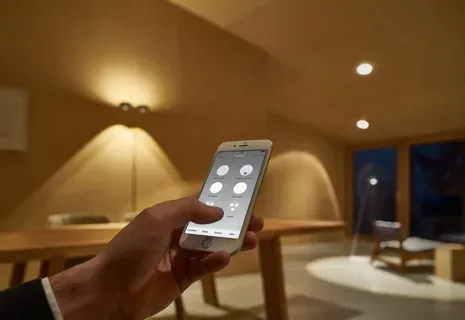
Imagine walking into a building where every single light bulb just seems to know what it is supposed to be doing. You do not have to walk down long hallways flipping dozens of switches, nor do you have to worry if someone left the basement lights on all weekend. That seamless, effortless convenience is exactly what happens when you switch to a Smart Lighting Control System. Instead of viewing lights as individual fixtures scattered across different rooms, this approach connects every light source into a single, cohesive network that you can monitor and manage from one place. Upgrading to a centrally managed Smart Lighting Control System completely changes how you interact with your space, turning traditional, energy-draining lights into an intelligent system that saves money, boosts security, and adapts to your daily routine.
Why Centralized Control Outperforms Traditional Light Switches
The biggest issue with traditional lighting is how fragmented it is. If you want to change the mood or make sure everything is turned off for the night, you have to manually interact with dozens of individual wall switches. Centralized management replaces that hassle with total visibility and instant command.
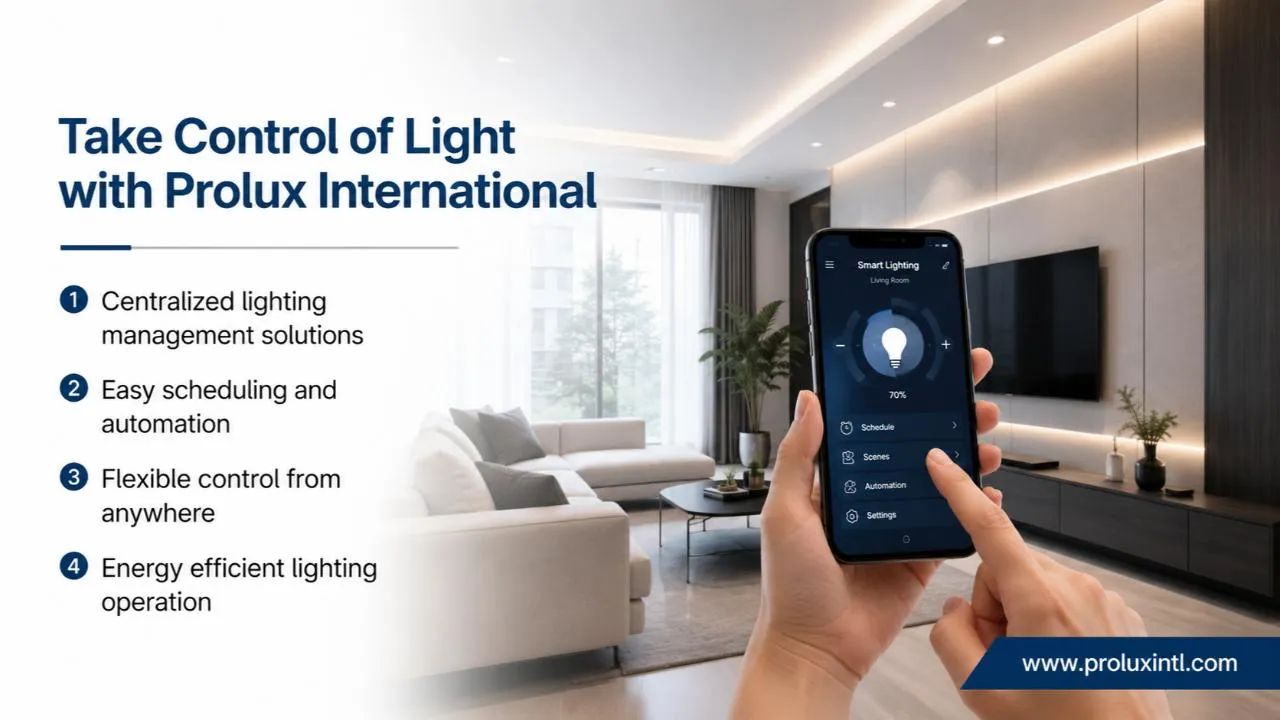
When your lighting is unified under one brain, you can check the status of an entire property from a single dashboard, a wall touchpad, or an app on your smartphone. Rather than running around checking rooms, you can tap one button to dim the entire main floor for an event or turn off every non-essential light at closing time. It bridges the gap between basic utility and active environment design, giving you precise control over your surroundings without forcing you to think about each bulb individually.
Core Features of a Centrally Managed Setup
What actually makes this setup so effective compared to standard smart bulbs scattered around a home or office? The answer lies in how deep the features run and how well they talk to each other.
- Automated Scheduling and Scenes: You can program customized lighting presets for different times of day. For instance, lights can gradually brighten in the morning to match natural sunlight, dim down in the evening for relaxation, or adjust during work hours to reduce eye strain.
- Integrated Motion and Occupancy Sensors: Rooms only stay lit when someone is actually inside them. As soon as a space becomes empty, the system automatically dims or turns off the lights, eliminating wasted electricity from forgotten switches.
- Daylight Harvesting: Smart sensors monitor the amount of natural sunlight coming through windows and automatically adjust artificial light levels inside. On bright sunny days, indoor lights dim down; on cloudy days, they brighten up seamlessly.
- Granular Energy Tracking: Instead of guessing why your electric bill spiked, centralized software provides detailed reports on energy usage across every zone, helping you find clear ways to cut waste.
- Remote Access and Security Integration: Whether you are across town or on vacation in another country, you can monitor your lights remotely. You can set them to turn on and off at random intervals while you are away to give the appearance that someone is home.
By bundling these capabilities together, a centralized lighting network ensures that your lights actively work to make your building safer, more comfortable, and significantly cheaper to power.
Maximizing Energy Efficiency and Slashing Utility Costs
The financial argument for making this upgrade is usually what sways people first. Traditional lighting operates on a binary switch: it is either 100% on or completely off. The problem is that full brightness is rarely necessary all day long.
By utilizing intelligent dimming and dynamic scheduling, a centralized setup ensures lights only run at the exact power level needed for the task at hand. Dimming a light by just 20% is often imperceptible to the human eye, yet it drastically reduces power draw and extends the life of the bulb. Over the course of a year, eliminating unnecessary illumination in empty corridors, unused conference rooms, or idle bedrooms adds up to substantial savings on electric bills. It turns lighting from a fixed utility expense into an optimized operational cost.
Elevating Daily Comfort, Health, and Convenience
Beyond the financial savings, the way light surrounds us plays a massive role in how we feel and focus throughout the day. Standard lighting is harsh and rigid, but centralized control allows your environment to shift smoothly along with your biological clock.
Dynamic color tuning adjusts the warmth of light throughout the day, providing cool, crisp illumination during peak hours to improve focus and switching to soft, amber tones in the evening to help your body naturally wind down. Moreover, the sheer convenience of customized scenes means you no longer have to waste time adjusting individual controls. Whether you want an energized work environment, a cozy dining atmosphere, or a secure night-light pathway, it is all available at the touch of a button.
Conclusion
Upgrading your property with a central management hub is far more than just a trendy tech upgrade—it is a total shift in how you manage your living or working environment. By bringing every fixture together into one smart, responsive network, you gain complete operational authority, cut down on unnecessary energy costs, and create spaces that dynamically adapt to your daily life. When you are ready to modernize your building and experience the true power of a Smart Lighting Control System, partnering with experienced specialists like Prolux International ensures you get a custom-tailored solution designed for maximum performance, comfort, and long-term savings.




















Sign in to leave a comment.