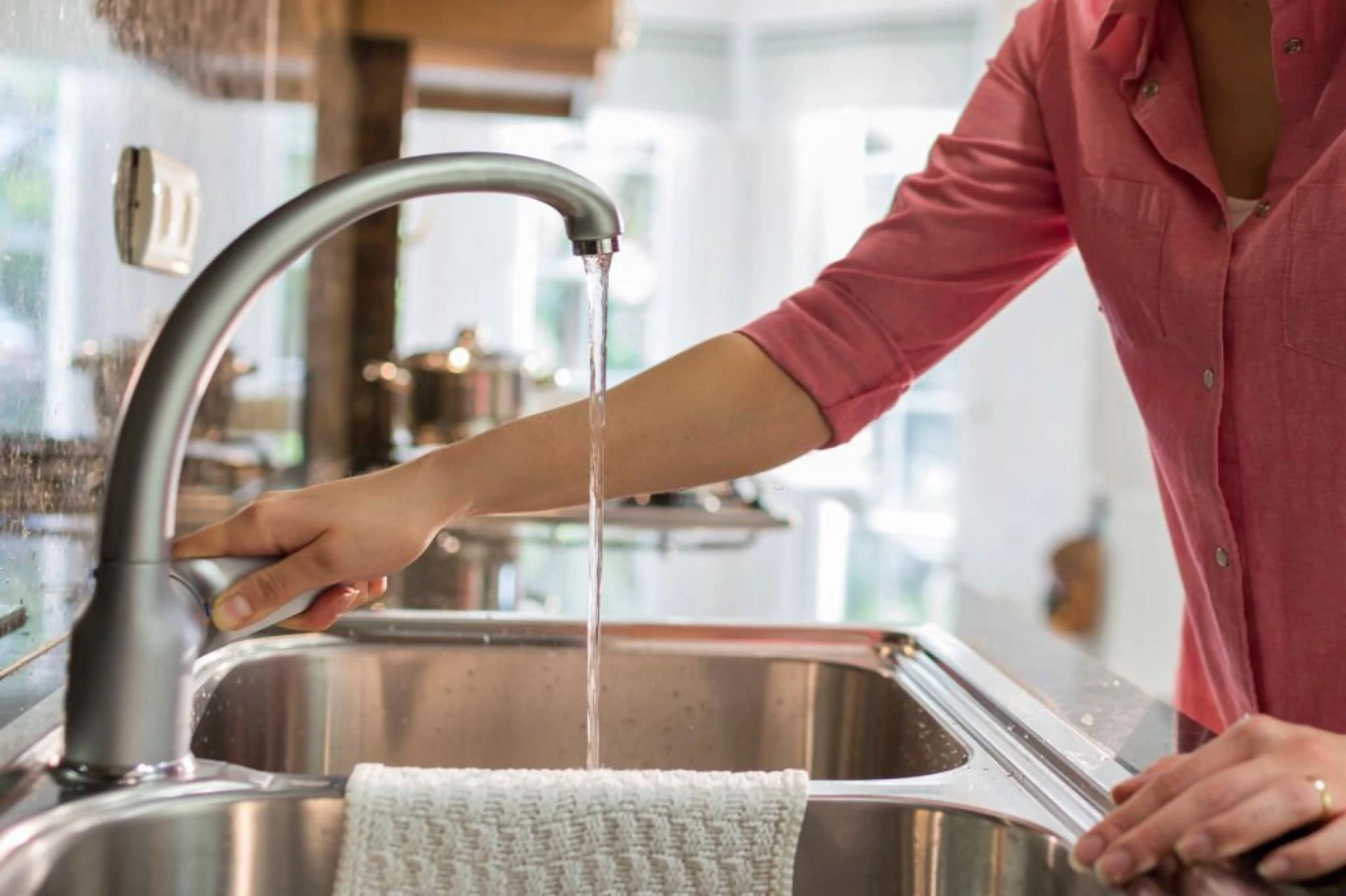
Home plumbing upgrades offer daily convenience, increased livability, and improved home value. These smart upgrades also help save energy and reduce waste and water bills.
Low-flow fixtures like showerheads and toilets reduce water usage without sacrificing performance. Water-saving faucets are another budget-friendly upgrade that cuts utility bills. Whole-house water filtration systems remove minerals that damage appliances and clog pipes.
1. Install Low-Flow Fixtures
One of the most straightforward ways to reduce water consumption is through the installation of low-flow fixtures. These fixtures have special technology that cuts down on water usage without sacrificing functionality or performance. The result is significant utility cost savings for homeowners.
Aside from the immediate financial benefits, low-flow fixtures also help conserve freshwater resources and support sustainable communities. The process of cleaning, transporting, and heating water involves a lot of energy. Using less water reduces carbon emissions and contributes to a greener world.
Moreover, the reduced water flow exerts less stress on plumbing systems. This can minimize the risk of sudden plumbing problems and emergency repairs. Some municipalities in water-stressed areas offer rebates and incentives to promote low flow fixture adoption. This is a great motivation for homeowners to get on board with this initiative. The good news is that these upgrades are easy to install. To start with, turn off the water supply to prevent leaks during the replacement process. Then, unscrew the old fixture and remove any existing plumbing tape. Finally, screw in the new fixture and tighten it, but don’t over-tighten it.
2. Insulate Pipes
Insulating pipes helps reduce heat loss that is caused by hot water traveling through the plumbing system. This minimizes the energy needed to keep your water hot, resulting in lower energy bills for your home.
Insulation also prevents condensation on the pipes, a common problem in colder climates. This can help you avoid costly pipe repairs by minimizing the likelihood of water leaks.
In addition, insulated pipes make it easier to maintain the temperature of your water, reducing the time it takes for it to reach household fixtures. This means that you can enjoy instant, clean, hot water without wasting water or energy in the process.
It’s important to check your insulation regularly for damage, which can cause problems like frozen or leaking pipes in colder climates. A professional plumber can assess your insulation and recommend any repairs or replacements as necessary.
Eco-friendly plumbing upgrades like low-flow toilets, efficient water heaters, and insulated pipes can save you money and support sustainable living. They reduce the strain on local water systems, limit your energy use, and can even qualify you for rebates and tax incentives in many areas.
3. Install Tankless Water Heaters
During periods of high demand, your household usage may outstrip the supply of hot water. Instead of running out and waiting for it to reheat, tankless water heaters offer instant hot-water comfort. They also reduce energy consumption by heating water as needed rather than storing it in tanks.
This eco-conscious upgrade cuts residential water use without compromising your family’s daily comfort. It’s a popular choice for modern homeowners who prioritize water conservation and sustainability.
You can do this project yourself if you’re handy with plumbing tools. However, professional help ensures peak performance. Choose a spot for the unit that allows easy exterior venting and access to utilities. Gas units require bigger gas lines to support their higher BTU needs. They also need to be near an electrical outlet for proper operation. This ensures your water heater has the right temperature control and energy efficiency. It also protects pipes from freezing and extends the lifespan of your plumbing system.
4. Install Smart Leak Detectors
Invest in smart water leak sensors to save on your utility bills and protect your home from expensive, destructive leaks. You can find affordable, DIY-friendly models that alert you to dripping faucets and slow leaks by phone or email. The best models also have a built-in siren to warn of catastrophic water damage, and they can shut off your water supply automatically when needed.
Eco-friendly plumbing upgrades improve household comfort, increase resale value, and help the environment. Low-flow toilets, tankless water heaters, and insulated pipes cut utility costs and reduce water waste, while boosting livability. Other improvements include conducting routine plumbing inspections, fixing leaks promptly, and reducing mineral buildup for long-term performance. For the best upgrades, it is recommended that you hire a professional to help. Sites such as https://www.fixitrightplumbing.com.au/blocked-drains-melbourne/ can provide you with resourceful plumbing information.























Sign in to leave a comment.