

A modern Visitor Management System gives Qatar offices a secure, professional and fully digital way to welcome every guest, contractor and delivery partner, from the moment an invitation is sent until the person leaves the building. By replacing paper logbooks with identity checks, instant host alerts and automatic records, it protects people, information and brand reputation across Doha, West Bay and Lusail.
This guide explains how smart arrival technology works, which components matter most, how it connects with access control, and which Qatar specific compliance and deployment points decision makers should consider. It draws on practical integrator experience in Gulf offices, so facilities, security, IT and HR teams can evaluate options with confidence.

Why Qatar Offices Are Rethinking Front Desk Security
Qatar's commercial landscape has changed quickly. Towers in West Bay, Lusail and Msheireb Downtown host regional headquarters, banks, consultancies, energy companies and government entities, and each of them receives hundreds of external guests every week. The national drive behind Qatar National Vision 2030 and the hospitality standards raised by the FIFA World Cup 2022 have made smooth, secure arrivals a business expectation rather than a luxury.
Traditional paper logbooks and handwritten badges cannot meet that expectation. Handwriting is often unreadable, entries remain visible to the next person who signs in, and nobody can prove who was inside the building at a given hour. Receptionists spend valuable time phoning hosts, while guests wait in the lobby wondering whether they are expected. Security managers also face a growing list of obligations, from tenant policies and insurer requirements to national data protection law, that paper simply cannot satisfy.
A smart digital platform solves these problems together. It verifies identity, informs hosts instantly, controls where guests may go, and creates a searchable audit trail that stands up to internal reviews and regulatory questions.
How a Smart Guest Journey Works from Invitation to Exit
Invitations Before Arrival
The journey starts before the guest leaves home. A host creates an invitation from a web portal, a mobile app or a Microsoft 365 or Google calendar entry, and the guest receives an email or WhatsApp message with a QR code, parking instructions and the office address. Modern Visitor Registration Software lets the guest complete details in advance, including name, company, purpose of visit, photo, vehicle plate and acceptance of safety or confidentiality terms. Because information is captured ahead of time, the lobby experience takes seconds instead of minutes.
Identity Verification at Arrival
On arrival the guest scans the QR code at a kiosk, a reception tablet or a turnstile reader. Walk in guests without an invitation can register on the spot by scanning a Qatar ID card, resident permit or passport, and the platform extracts the data automatically through optical character recognition. A live photo is captured, and the record can be checked against internal watchlists and blocked lists before any badge is issued. Face matching adds a second layer of assurance by confirming that the person standing at the entrance is the person who was approved.
Badges and Host Notification
Once verified, the system prints a branded badge showing the guest photo, host name, validity and permitted zones, or sends a secure mobile pass to the guest's phone. At the same moment the host is alerted by email, SMS, Microsoft Teams or a mobile push notification, so the meeting can start on time. Receptionists remain in control for exceptions such as VIP arrivals, but they no longer type or search for routine entries.
Movement, Escort Rules and Exit
Inside the building, a Visitor Tracking System links each pass to the zones and floors the guest is allowed to reach. Badges can expire automatically at the end of the meeting, escort requirements can be enforced for sensitive areas, and overstays can raise alerts to the security desk. At departure the guest scans out, the badge is deactivated and the host receives a completion message. During a fire drill or a real emergency, security teams can instantly produce a muster list showing every guest still inside, something paper registers can never deliver reliably.
Hardware and Software Building Blocks
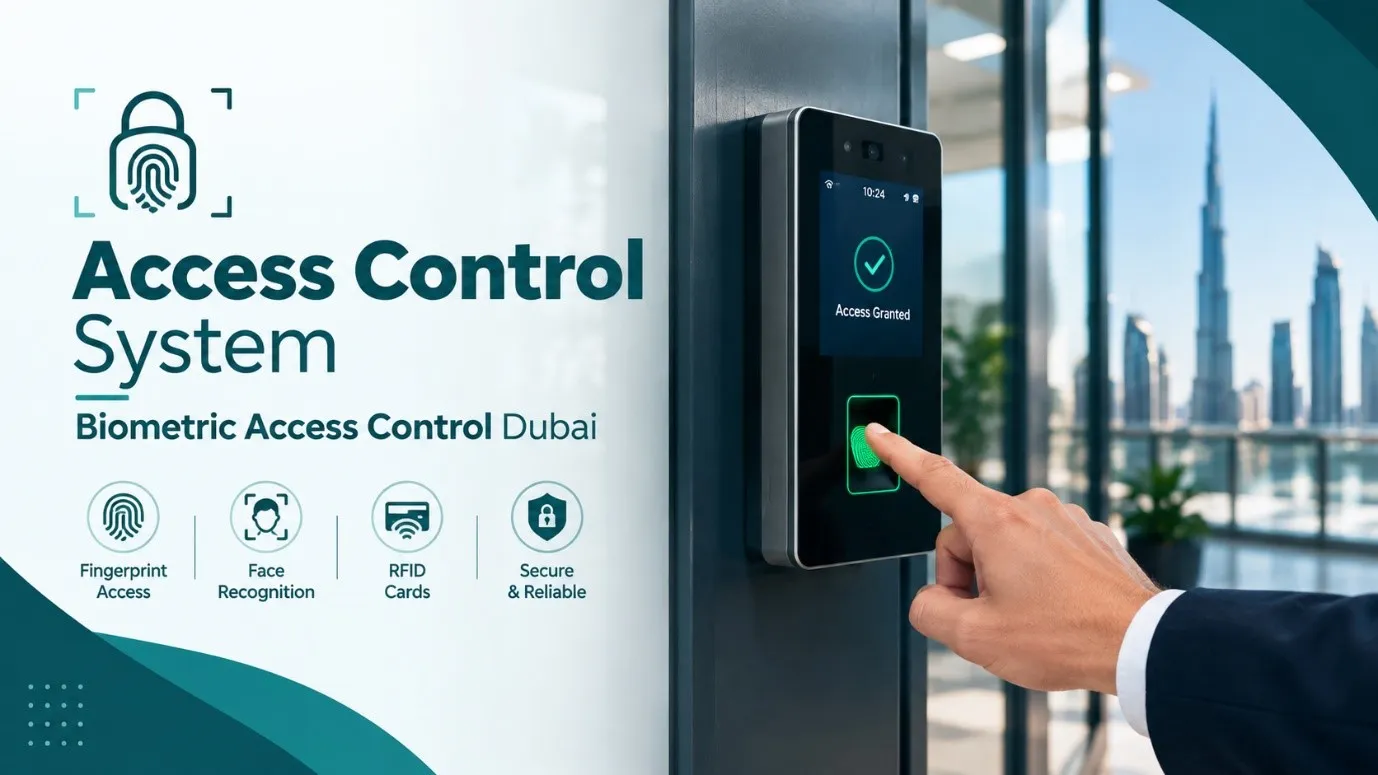
The best results come from combining dependable hardware with flexible software. A purpose built Visitor Management Device, usually a floor standing or wall mounted self service kiosk, gives guests a clear bilingual interface in Arabic and English with right to left layout support. Typical hardware also includes a document scanner, a camera with face capture, a thermal badge printer, QR and RFID readers and, for high traffic lobbies, speed gates linked to the guest pass.
Behind the screen, a central platform manages invitations, workflows, templates, permissions and analytics. Look for role based dashboards for receptionists, hosts, security officers and administrators, open APIs for integration, multi site support for organizations with branches in Doha, Al Khor and Lusail, and an offline mode that keeps the lobby working during network interruptions. Branding matters as well. Custom welcome screens, corporate colors and personalized messages help the lobby reflect the culture of the tenant, and a digital front desk technology approach lets facility teams update everything from one console.
Sector Use Cases Across Qatar
Corporate Headquarters and Multi Tenant Towers
Building managers can offer tenants branded guest experiences while maintaining one secure lobby, with each tenant seeing only its own guests. Shared reception teams gain a consistent process, and landlords gain reliable data on footfall and peak hours.
Government, Banking and Financial Districts
Ministries, banks and financial institutions require strict identity checks, watchlist screening and detailed audit trails. Configurable approval rules can route sensitive appointments to security officers before a pass is released, and restricted floors can demand escort confirmation.
Healthcare, Education and Research Campuses
Hospitals use controlled passes for visiting hours and restricted wards, while education and research campuses manage parents, suppliers and event attendees with bulk invitations and time limited badges. Separate rules for staff, students and external guests keep every area appropriately protected.
Coworking Spaces, Contractors and Energy Sector Offices
Serviced offices and coworking operators can brand the arrival experience for each member company. Energy and industrial organizations add safety inductions, permit checks and contractor certificate validation before entry, which reduces risk and simplifies reporting.
Analytics and Reporting
Reliable reporting turns arrival data into useful insight. Dashboards should show daily and monthly footfall, busiest entrances, average waiting time, host response time and the ratio of pre registered to walk in guests. Scheduled reports can be sent to security and facility leaders automatically, and exports in common formats help auditors and insurers review activity without manual effort.
Resilience and Scalability
Lobby systems must work every single day. Choose a platform with high availability options, local caching for offline periods, automatic software updates and remote monitoring so that issues are detected before guests notice them. As the organization grows, the same platform should scale from one reception desk to many buildings without replacing hardware or rebuilding workflows.
Emergency Readiness and Safety
Guest safety is a duty of care as well as a security concern. During an evacuation, marshals need accurate information within seconds. A digital platform provides a live list of guests inside each building, together with host names and phone numbers, and the list can be viewed on a mobile device at the assembly point. After the event, the system records who has been accounted for and who has not, which supports post incident reviews and insurance documentation.
The same data helps with everyday safety. Security teams can monitor capacity limits for meeting floors, receive alerts when a pass is used in an unauthorized area, and deactivate a badge instantly if a guest behaves suspiciously or a host cancels the meeting. Combined with camera footage and door event history, these records create a complete picture that speeds up investigations and discourages misuse.
Creating a Positive First Impression
A lobby is the first chapter of every business relationship. Guests who receive a personal welcome message, a clear path to the elevator and a punctual host notification form a strong impression of the organization before the meeting even begins. Branded screens, multilingual greetings and short wait times communicate professionalism, while discreet security checks reassure clients that their own information will be treated with the same care. For Qatar companies competing for international partners, this combination of hospitality and protection is a practical advantage.
Why Qatar Organizations Choose Tektronix
Experience, expertise, authority and trust matter when selecting a security technology partner. Tektronix is a systems integrator with solutions delivered for organizations in the UAE, Saudi Arabia, Bahrain and Oman, and the same engineering approach is available to offices in Qatar. Engineers design every project around the customer's building, workflow and risk profile, and they integrate globally recognized technologies, including HID credentials, readers and biometric solutions, with local installation, training and support. Tektronix Global publishes solution details so buyers can review capabilities before speaking with a consultant.
Practical proof points help buyers verify any provider, and Tektronix welcomes that scrutiny. Ask to see reference deployments in comparable offices, documented security and data protection practices, a clear service level agreement with response times, manufacturer certifications and a defined escalation path. A partner that answers these questions openly, supports both Arabic and English users and commits to long term maintenance is more likely to deliver lasting value than one that only supplies hardware.
Conclusion
Searching for a Visitor Management System Qatar organizations can rely on should end with a platform that is secure, bilingual and easy to use. A Touchless Visitor Management System speeds up every arrival with QR codes, mobile passes and face matching while keeping shared surfaces out of the lobby. Pairing a smart Visitor Check in System with access control, tracking and reporting gives security teams full confidence in who is inside the building. Compliance with Qatar privacy law, dependable local support and a bilingual interface keep the experience smooth for staff and guests alike.
Connect with Tektronix to plan a pilot that proves the value inside your own offices.



























Sign in to leave a comment.