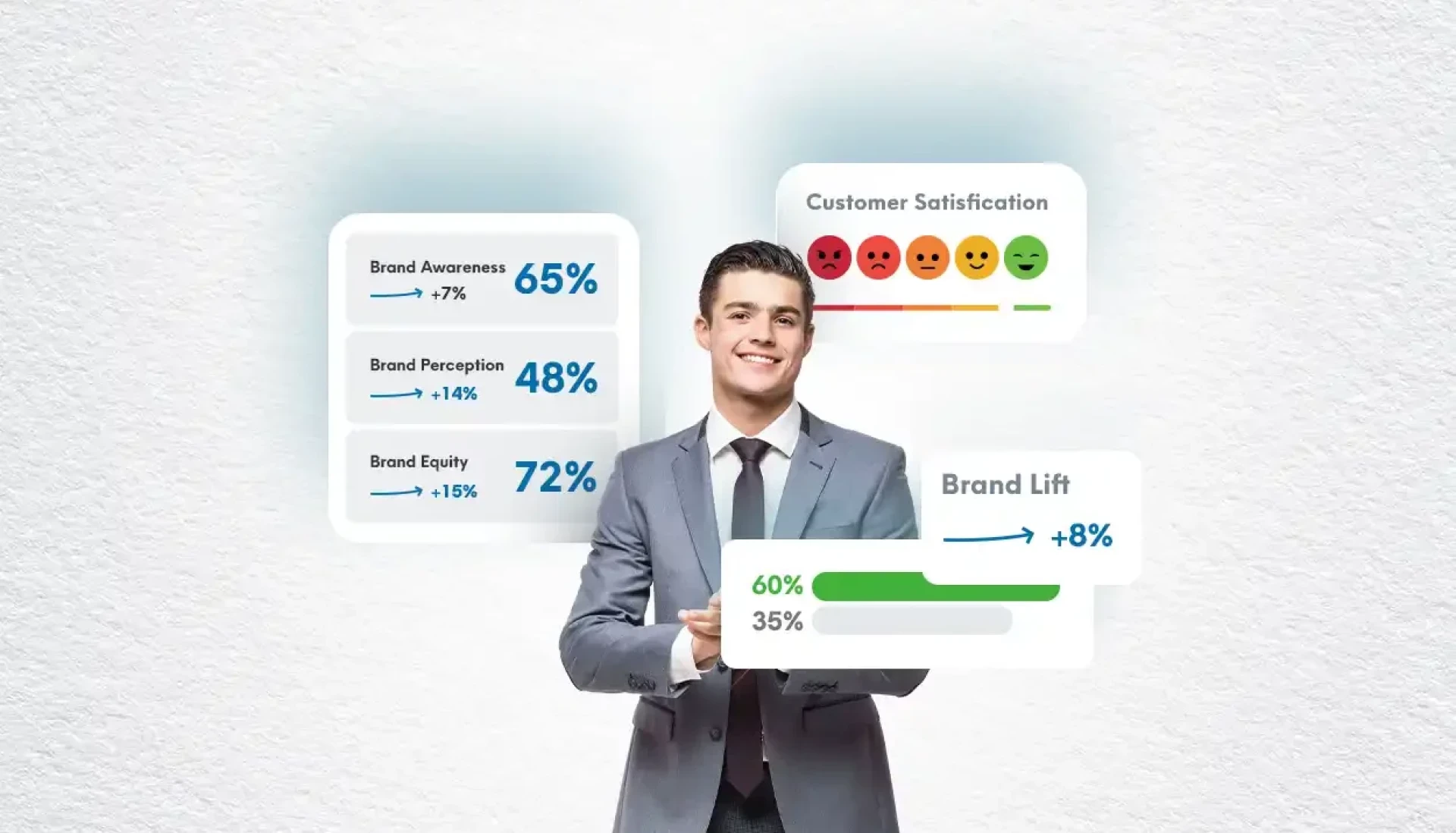

In today’s fast-changing market, brands are no longer competing only on products or pricing. They’re competing for attention, relevance, and long-term trust. Consumers are exposed to hundreds of brand messages every day, and only a few manage to stay memorable.
This makes brand tracking more critical than ever. Yet many businesses still struggle to get real value from their brand tracking efforts. They collect data regularly, but the insights often feel disconnected, delayed, or difficult to act on.
The real question isn’t whether your brand is being tracked — it’s whether your brand tracking actually helps you grow.
Press enter or click to view image in full size
The Core Problem With Traditional Brand Tracking
Most traditional brand tracking approaches focus on surface-level indicators such as awareness, recall, or preference. While these are useful, they often fail to explain what’s truly happening beneath the numbers.
Common challenges include:
- Brand tracking metrics that don’t connect to revenue or market share
- Data that arrives too late to influence decisions
- Limited understanding of why perceptions change
- Insights that are descriptive, not strategic
As markets become more dynamic, relying on static or periodic measurement creates blind spots. Brands may see a decline in scores but struggle to identify the root cause — or worse, react after damage has already been done.
This is where conventional brand tracking market research begins to fall short.
Why Brand Tracking Must Evolve With Consumers
Successful brands are defined by strong saliency and their ability to evolve with an evolving landscape. Consumer expectations shift quickly due to technology, culture, and competition. Brand tracking must keep pace with these changes.
Modern brand leaders need answers to deeper questions:
- What perceptions are actually driving demand?
- Which brand associations influence purchase behavior?
- How does emotional connection impact long-term loyalty?
- Where should investments be made to strengthen brand equity?
To answer these, brand tracking must move beyond static reporting and become a continuous, insight-driven system.
From Measurement to Meaningful Insights
Effective brand tracking today focuses not just on what consumers think, but why they think that way. This requires a more advanced framework that captures emotional, rational, and behavioral drivers simultaneously.
A modern brand-consumer measurement approach provides:
- Real-time and granular insights
- A clear link between brand equity and business outcomes
- Deeper understanding of brand strengths and weaknesses
- The ability to anticipate shifts in consumer perception
Instead of isolated numbers, brands gain a narrative — one that explains how perception turns into preference, and preference turns into demand.
Connecting Brand Tracking Metrics to Market Impact
One of the biggest gaps in traditional brand tracking is the lack of connection between perception and performance. Knowing your brand score means little if you can’t relate it to growth.
Advanced brand tracking metrics bridge this gap by linking mind-share and brand imagery directly to market outcomes. This approach helps brands understand:
- Which perceptions drive consideration and choice
- How emotional associations influence market share
- Where brand equity is creating value — or eroding it
By identifying the drivers behind performance, brands can prioritize actions that actually move the needle instead of relying on assumptions.
Understanding the “Why” Behind Brand Equity
Numbers alone don’t tell the full story. A drop in brand favorability might be caused by messaging fatigue, competitive pressure, or shifting consumer values. Without context, brands are left guessing.
A smarter brand tracking approach reframes brand equity by uncovering:
- The emotional connections consumers associate with the brand
- The rational reasons behind trust or skepticism
- The triggers that influence switching or loyalty
This deeper insight transforms brand tracking from a reporting exercise into a strategic tool — one that supports smarter positioning, clearer communication, and stronger engagement.
Flexible Brand Tracking for Real-World Use
No two brands operate the same way, and brand tracking should reflect that reality. A flexible framework allows businesses to apply insights where they matter most.
Brand tracking can be effectively used:
- Early in the innovation funnel to test concepts
- As an ongoing brand health monitoring system
- To evaluate advertising and campaign effectiveness
- Across multiple consumer touchpoints and channels
This adaptability ensures brand tracking supports both short-term optimization and long-term brand building.
Why Smarter Brand Tracking Creates Competitive Advantage
In an environment where attention is limited and loyalty is fragile, brands that win are those that act faster and smarter. Effective brand tracking market research enables brands to:
- Detect perception shifts early
- Respond with confidence instead of guesswork
- Align brand strategy with consumer reality
- Build relevance that lasts
By focusing on insights that matter — not just metrics that look good — brands position themselves for sustainable growth.
Final Thoughts: Brand Tracking That Drives Impact
Brand tracking is no longer just about monitoring awareness or recall. It’s about understanding relationships, motivations, and market dynamics.
When brands move beyond basic measurement and embrace deeper insight-driven brand tracking, they gain clarity, direction, and control over their growth journey.
In a world where change is constant, brand tracking that explains impact — not just numbers — is what truly sets successful brands apart.


Sign in to leave a comment.