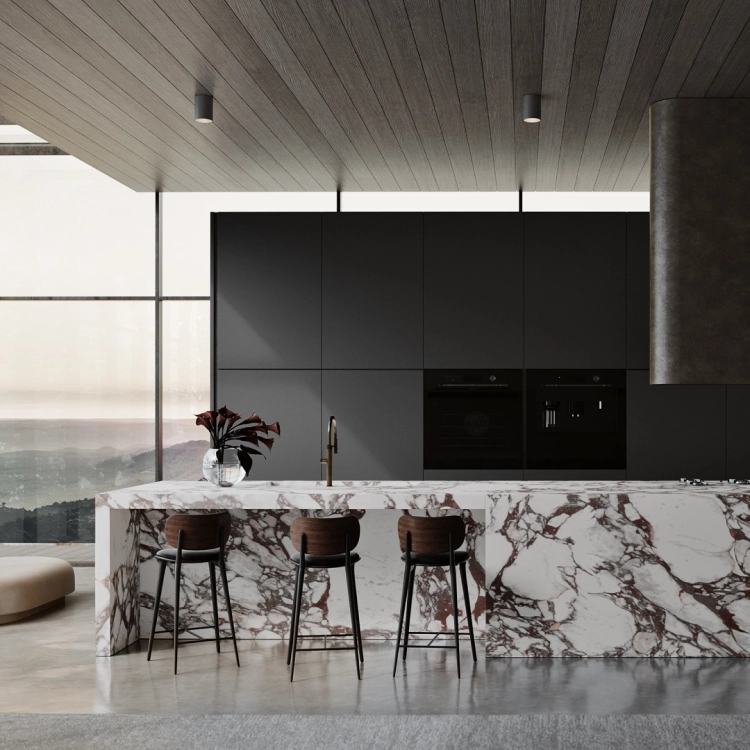
In modern kitchens, the countertop has become far more than just a work surface. It’s a visual anchor that defines the style and mood of the space, reflecting not only design preferences but also personal values. Increasingly, homeowners and designers are moving away from traditional quartz and engineered stone options and turning their attention to silica-free benchtops.
Why the shift?
It’s a blend of aesthetic appeal and growing awareness of health and safety concerns tied to crystalline silica exposure.
Silica, a mineral found in materials like quartz and granite, is a major component in many engineered stone benchtops. While these products are durable and stylish, they carry an underreported risk: the fine silica dust released during cutting or fabrication. When inhaled, this dust can lead to silicosis - a serious, incurable lung disease - as well as other respiratory conditions. With multiple reports from countries such as Australia and the U.S. highlighting rising cases of silicosis in workers handling engineered stone, the industry has been forced to re-evaluate its materials. The result is a growing push for low-silica or completely silica-free alternatives that protect both workers and homeowners.
But going silica-free doesn’t mean compromising on style or quality. The latest generation of benchtop materials proves that sustainability and safety can go hand in hand with sophisticated design. Materials such as recycled glass surfaces, porcelain slabs, stainless steel, and natural timber are gaining popularity not just for their looks, but also for the peace of mind they offer.
Recycled glass benchtops, for example, combine crushed post-consumer glass with resin or cement to create vibrant, speckled surfaces. These are non-porous, stain-resistant, and come in a wide range of colours - ideal for eco-conscious consumers who want a bold design element in their kitchen. Since they don’t rely on crystalline silica as a primary component, they offer a safer alternative during both fabrication and installation.
Another top contender is porcelain. Made from refined clay and fired at extremely high temperatures, porcelain benchtops are ultra-dense, heat-resistant, and nearly impervious to scratches or UV damage. Unlike quartz composites, porcelain surfaces typically contain negligible amounts of silica, making them a safer choice without sacrificing performance. Moreover, their slim profiles and range of finishes - from marble-look to industrial concrete - make them suitable for almost any design palette.
Timber, long valued for its warmth and character, is making a comeback in modern kitchens with sustainably sourced and sealed wood surfaces. Though softer than stone, timber benchtops are renewable, biodegradable, and free from harmful dust emissions during processing. When properly treated and maintained, they can offer both durability and timeless charm.
One of the more industrial yet highly hygienic options is stainless steel. Traditionally used in commercial kitchens, stainless steel is non-porous, easy to clean, and completely free of silica. Its sleek, reflective appearance adds a contemporary edge to residential spaces, especially when paired with minimalist cabinetry or modern appliances.
While aesthetics and practicality remain central to any kitchen decision, the importance of health and environmental impact is now a powerful driver in consumer choices. The recent shift toward silica-free benchtops reflects this changing priority. Beyond the safety factor, many of these newer materials have lower carbon footprints, use recycled content, or are easier to recycle at the end of their life cycle, aligning with the values of an increasingly eco-aware population.
From a cost perspective, silica-free options can range from budget-friendly to premium, depending on the material and finish. However, as demand grows and production scales up, prices are gradually becoming more competitive with traditional quartz and granite.
Finally, the kitchen has evolved into a space where beauty, function, and responsibility intersect. Choosing silica-free benchtops is more than a design decision - it's a commitment to safer working conditions, healthier living environments, and more sustainable material choices.

























Sign in to leave a comment.