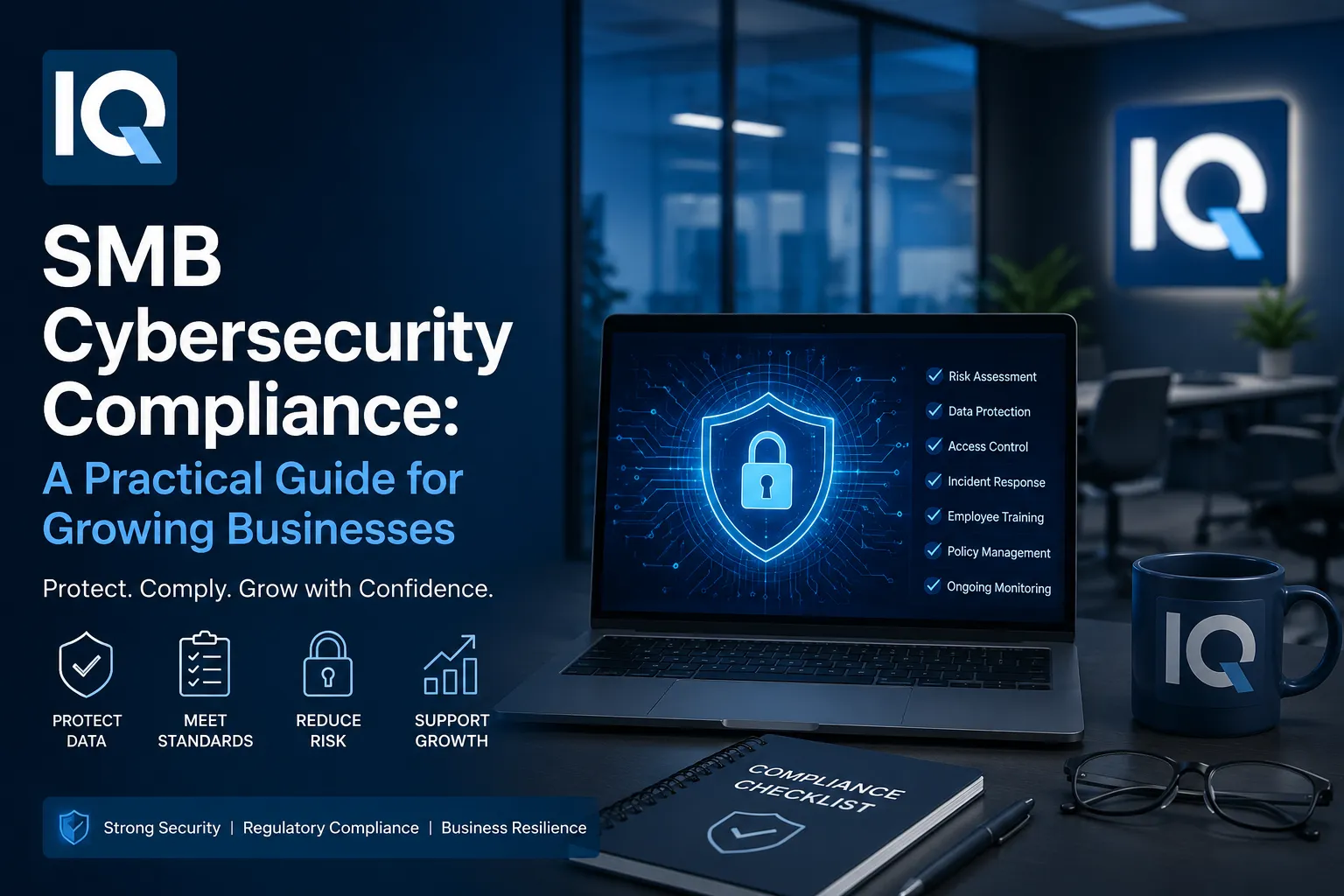

As small and medium-sized businesses (SMBs) continue to embrace cloud technologies, remote work, and digital transformation, cybersecurity has become a business necessity rather than an IT concern. Unfortunately, many SMBs assume cybercriminals only target large enterprises. In reality, smaller businesses are often seen as easier targets because they typically have fewer security controls and limited in-house expertise.
This is why SMB Cybersecurity Compliance is no longer optional. It provides a structured approach to protecting sensitive business data, meeting regulatory requirements, and building customer trust. Rather than treating compliance as a checklist, businesses should view it as the foundation of a strong cybersecurity strategy.
What Is SMB Cybersecurity Compliance?
SMB Cybersecurity Compliance refers to following recognised security standards, industry regulations, and best practices that help protect an organisation's systems, data, and operations from cyber threats.
Depending on your industry and business requirements, compliance may involve:
- Establishing clear security policies and procedures
- Protecting business data with encryption and backups
- Managing user access through multi-factor authentication (MFA)
- Performing regular cybersecurity risk assessments
- Monitoring systems for suspicious activity
- Training employees to recognise phishing and cyber threats
Compliance isn't simply about passing an audit. It's about creating a security-first culture that reduces business risk and strengthens operational resilience.
Why Compliance Matters for SMBs
Cyberattacks can have serious financial and reputational consequences. Downtime, data loss, legal penalties, and customer distrust can all impact long-term business growth.
Implementing SMB Cybersecurity Compliance helps businesses:
- Reduce the likelihood of cyber incidents
- Meet contractual and regulatory obligations
- Improve customer confidence
- Support cyber insurance requirements
- Strengthen overall business continuity
A structured cybersecurity program also makes it easier to adapt as new technologies and compliance requirements emerge.
Common Challenges Small Businesses Face
Many SMBs understand the importance of cybersecurity but struggle with implementation. Common obstacles include:
- Limited cybersecurity budgets
- Lack of dedicated security professionals
- Rapid adoption of cloud applications
- Remote and hybrid work environments
- Constantly evolving cyber threats
Without a clear strategy, businesses often rely on disconnected security tools that fail to provide comprehensive protection.
Key Components of an Effective Compliance Strategy
Building a compliant cybersecurity environment doesn't require enterprise-sized resources. It starts with practical, well-planned security measures.
1. Perform Regular Risk Assessments
Understanding your vulnerabilities is the first step toward improving security. Risk assessments identify weaknesses before attackers can exploit them.
2. Implement Strong Access Controls
Use multi-factor authentication, role-based permissions, and strong password policies to minimise unauthorised access.
3. Keep Systems Updated
Regular software updates and security patches close vulnerabilities that cybercriminals frequently exploit.
4. Protect Critical Data
Encrypt sensitive information, maintain secure backups, and establish disaster recovery procedures to minimise business disruption.
5. Train Employees
Human error remains one of the leading causes of cyber incidents. Regular security awareness training helps employees recognise phishing emails, suspicious links, and social engineering attacks.
6. Monitor and Improve Continuously
Cybersecurity isn't a one-time project. Businesses should continuously review their security controls, monitor emerging threats, and update policies as technology evolves.
The Role of Managed Cybersecurity Services
Many growing businesses lack the resources to manage cybersecurity internally. Working with an experienced managed IT and cybersecurity provider allows organisations to access specialist expertise without hiring a full in-house security team.
Professional cybersecurity partners can assist with:
- Security audits
- Governance, risk, and compliance
- Continuous monitoring
- Incident response
- Framework alignment
- Security policy development
At iQtec, cybersecurity services are designed to help organisations move beyond reactive security measures by implementing structured governance, ongoing monitoring, and practical compliance strategies that align with recognised industry frameworks.
Building a More Secure Future
Cyber threats continue to evolve, making proactive security more important than ever. Businesses that invest in structured cybersecurity practices today are better positioned to protect their operations, maintain customer trust, and support future growth.
Rather than viewing compliance as an administrative burden, organisations should see it as an opportunity to improve resilience, reduce operational risk, and strengthen their overall security posture. With the right strategy, SMB Cybersecurity Compliance becomes a valuable investment that supports long-term business success.
Frequently Asked Questions
1. What is SMB Cybersecurity Compliance?
It is the process of implementing recognised cybersecurity standards, policies, and controls that help small and medium-sized businesses protect their systems, data, and regulatory obligations.
2. Why is cybersecurity compliance important for small businesses?
Compliance helps reduce cyber risks, protects sensitive information, improves customer trust, supports regulatory requirements, and strengthens business continuity.
3. How often should an SMB perform a cybersecurity assessment?
Most businesses should conduct security assessments at least annually or whenever significant changes occur, such as cloud migrations, infrastructure upgrades, or regulatory updates.
4. Does every SMB need a dedicated cybersecurity team?
Not necessarily. Many organisations partner with managed cybersecurity providers to access expert security services without the cost of maintaining an in-house team.
5. How can iQtec help with cybersecurity compliance?
iQtec provides managed cybersecurity services, security audits, governance and compliance support, continuous monitoring, and practical guidance to help businesses strengthen their cybersecurity posture while meeting evolving compliance requirements.


























Sign in to leave a comment.