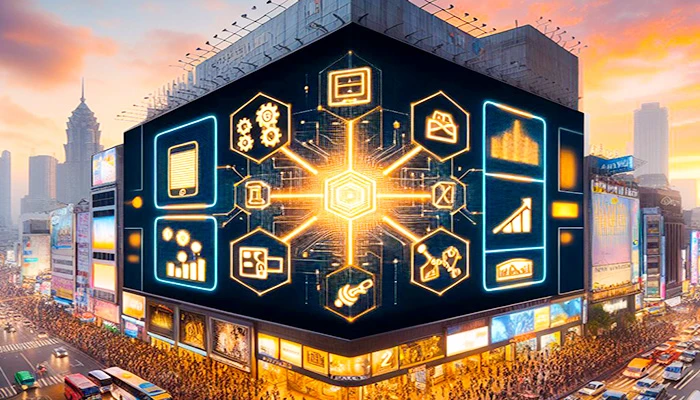

In today’s digital age, the importance of high-quality display technology cannot be overstated. Whether you’re walking through Times Square, attending a live concert, or sitting in a corporate boardroom, the presence of vibrant, crystal-clear screens is ubiquitous. Among the many display technologies available, SMD (Surface-Mounted Device) screens stand out for their exceptional clarity, versatility, and efficiency. Let's dive into what makes SMD screens the future of visual displays.
Understanding SMD Screens
What is an SMD Screen?
SMD screens are a type of LED (Light Emitting Diode) display where the LEDs are mounted directly onto the surface of a printed circuit board. This technology allows for a higher density of LEDs, which results in sharper images and more vibrant colors compared to other types of displays.
How Do SMD Screens Work?
At the heart of SMD screens are tiny LEDs, each capable of emitting red, green, or blue light. These LEDs are combined in clusters to form pixels, the smallest units of a digital image. By varying the intensity of each LED, SMD screens can produce a wide range of colors, creating the rich, detailed images and videos we see on the screen.
The Technology Behind SMD Screens
High Density of LEDs
The primary advantage of SMD technology is the high density of LEDs that can be mounted on a single circuit board. This high density translates to higher resolution and better image quality, making SMD screens ideal for applications that require detailed visuals.
Surface-Mount Technology
Surface-mount technology (SMT) is used to place the LEDs directly onto the surface of the circuit board. This method improves the durability and reliability of the LEDs, ensuring consistent performance over time.
Energy Efficiency
SMD screens are designed to be energy-efficient, consuming less power than traditional display technologies. This efficiency not only reduces operational costs but also makes SMD screens a more sustainable choice for businesses and consumers alike.
Types of SMD Screens
Indoor SMD Screens
Indoor SMD screens are commonly used in settings such as shopping malls, conference centers, and corporate offices. These screens offer high resolution and vibrant colors, making them perfect for environments where viewers are in close proximity to the display.
Outdoor SMD Screens
Outdoor SMD screens are built to withstand harsh weather conditions while delivering bright, clear images in direct sunlight. They are ideal for outdoor advertising, sports stadiums, and large public events.
Flexible and Curved SMD Screens
For applications that require a unique form factor, flexible and curved SMD screens offer a versatile solution. These screens can be bent and shaped to fit various spaces, providing a captivating visual experience that stands out.
Advantages of SMD Screens
Superior Image Quality
One of the most significant advantages of SMD screens is their superior image quality. The high density of LEDs allows for greater detail and sharper images, making them ideal for applications that require high-definition visuals.
Wide Viewing Angles
SMD screens offer wide viewing angles, ensuring that the image quality remains consistent even when viewed from the side. This feature is particularly important for large venues where the audience may be spread out over a wide area.
Durability and Reliability
Thanks to surface-mount technology, SMD screens are highly durable and reliable. The LEDs are securely attached to the circuit board, reducing the risk of damage and ensuring long-lasting performance.
Energy Efficiency
SMD screens are designed to be energy-efficient, consuming less power than traditional display technologies. This efficiency not only reduces operational costs but also makes SMD screens a more sustainable choice for businesses and consumers alike.
Versatility and Flexibility
SMD screens are available in various sizes and configurations, making them suitable for a wide range of applications. From small indoor displays to large outdoor screens, SMD technology can be customized to meet specific needs.
Applications of SMD Screens
Advertising and Marketing
In the world of advertising and marketing, capturing the audience’s attention is crucial. SMD screens are perfect for this task, offering vibrant, dynamic displays that can showcase products and promotions in stunning detail. Whether it’s a billboard in a busy city center or a display in a retail store, SMD screens create memorable visual experiences that engage consumers.
Entertainment and Events
SMD screens are widely used in the entertainment industry, enhancing live performances, concerts, and sporting events with high-definition visuals. These screens provide real-time footage, replays, and special effects, ensuring that every seat in the house has a perfect view.
Corporate and Educational Use
In corporate settings, SMD screens are used for presentations, video conferencing, and digital signage. Their high resolution and reliability make them ideal for conveying important information and engaging employees or clients. In educational institutions, SMD screens serve as interactive teaching tools, making learning more engaging and effective.
Command and Control Centers
In command and control centers, where real-time data visualization is critical, SMD screens provide the clarity and reliability needed for effective decision-making. These screens display crucial information, such as maps, live video feeds, and system statuses, helping operators monitor and respond to situations efficiently.
Choosing the Right SMD Screen
Factors to Consider
When selecting an SMD screen, it’s important to consider factors such as the intended use, viewing distance, and environmental conditions. For example, indoor screens typically require higher resolution, while outdoor screens need higher brightness levels to remain visible in sunlight.
Comparing Different Models
With a wide range of SMD screens available on the market, comparing different models based on their specifications, performance, and cost is essential. Look for reviews and case studies to see how similar installations have performed in real-world scenarios.
Installation and Maintenance of SMD Screens
Installation Process
Installing an SMD screen involves several steps:
Site Assessment: Evaluate the installation site to determine the best location and support structure.Structural Support Installation: Install the necessary support structures to hold the screen panels securely.Panel Mounting: Mount the SMD screen panels onto the support structure.System Calibration: Calibrate the system to ensure optimal performance and image quality.Maintenance Tips
Regular maintenance is crucial to keep your SMD screen in top condition. This includes cleaning the screen, checking electrical connections, and updating software to prevent and resolve any issues.
Future Trends in SMD Screen Technology
Innovations to Watch
The future of SMD screen technology is exciting, with innovations such as higher resolutions, more energy-efficient designs, and enhanced interactivity on the horizon. These advancements will continue to push the boundaries of what’s possible, making SMD screens even more impressive.
Market Growth Predictions
The SMD screen market is expected to grow significantly in the coming years, driven by increasing demand across various sectors and ongoing technological advancements. As more industries recognize the benefits of SMD screens, their adoption is likely to continue rising.
Real-Life Success Stories
Case Studies
Numerous industries have successfully implemented SMD screens to enhance their operations and engage their audiences. For example, sports stadiums use SMD screens for live game displays and replays, while retail stores use them for eye-catching advertising. These success stories highlight the versatility and effectiveness of SMD screens.
Measuring Impact and Benefits
SMD screens have made a significant impact across industries, improving communication, enhancing customer experiences, and driving engagement. Their adaptability makes them a valuable asset in many contexts, from corporate settings to public events.
Debunking Common Myths about SMD Screens
Clarifying Misunderstandings
There are several misconceptions about SMD screens, such as being overly expensive or difficult to maintain. In reality, their long-term benefits and relatively straightforward maintenance make them a worthwhile investment. Additionally, advancements in technology have made SMD screens more affordable and accessible than ever before.
Environmental Impact of SMD Screens
Eco-Friendly Benefits
SMD screens are more environmentally friendly than many traditional display technologies. They consume less power and have longer lifespans, reducing waste and energy use. This makes them a sustainable choice for businesses and consumers looking to minimize their environmental footprint.
Recycling and Disposal Practices
Proper recycling and disposal of SMD screens are essential to minimize environmental impact. Many manufacturers offer recycling programs to ensure responsible disposal, preventing harmful materials from ending up in landfills.
Conclusion
SMD screens represent the pinnacle of display technology, offering unmatched resolution, energy efficiency, and versatility. Whether for advertising, entertainment, or professional use, these screens transform spaces and captivate audiences. As technology continues to advance, SMD screens will only become more impressive, promising a bright future for visual displays.
FAQs about SMD Screens
What is an SMD Screen?
An SMD screen is a type of LED display where the LEDs are mounted directly onto the surface of a circuit board, providing high-resolution and vibrant visuals.
How long do SMD Screens last?
With proper maintenance, SMD screens can last around 100,000 hours, ensuring many years of reliable service.
Are SMD Screens expensive to run?
While the initial cost can be higher, SMD screens are energy-efficient, leading to lower operational costs over time.
Can SMD Screens be used outdoors?
Yes, there are specific outdoor SMD screens designed to withstand weather conditions and remain visible in bright sunlight.
What maintenance do SMD Screens require?
Regular maintenance includes cleaning the screen, checking electrical connections, and updating software to ensure optimal performance.











Sign in to leave a comment.