

When a company's office phone system needs to be updated, it can be a bit like changing car tires while driving down the interstate. When managers decide to Change My Shoretel System, preventing call drops during hardware cutovers stays top priority. Nobody wants silent desk handsets, lost sales leads, or angry clients during busy morning hours. Careful prep work, step-by-step route testing, and solid backup lines stop surprise server outages cold. Mapping every patch cable, internal extension, and user account helps your team switch platforms without breaking daily workplace routines.
Auditing Current Infrastructure and Extension Maps
 |
Before pulling server patch cables, draft an accurate list covering active extension numbers, voicemail boxes, and hunt group rules. Legacy phone servers often hide abandoned user profiles, dead fax lines, and old call forward routes that clutter daily administration tasks. Cleaning directory lists early prevents transferring useless data onto fresh equipment racks. Double-check server closet wiring and test backup power batteries prior to making big hardware moves. Knowing your exact line layout cuts technical errors, speeds up server setup, and gives technicians full confidence.
Testing Parallel Systems Before Final Cutover
Building parallel test environments stops costly voice outages during primary network cutovers. Set up fresh call routes right alongside existing hardware racks so technicians make test calls without disturbing office employees. Check incoming trunk lines, automated attendant menus and voicemail transfers to catch hidden routing glitches early. Fixing minor configuration mistakes inside controlled sandbox environments saves huge stress on launch morning. Thorough advance testing proves new voice lines work cleanly, giving managers total peace of mind before flipping primary network switches over.
Managing Existing Hardware and Trade-In Value
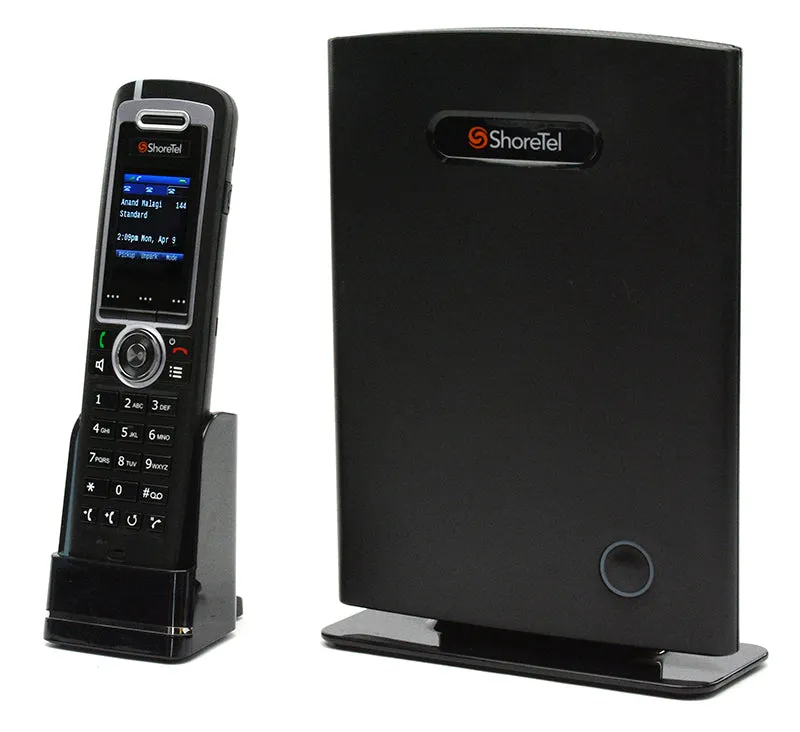 |
Swapping out phone infrastructure leaves supply closets filled with working desk units, power cords, and physical switch boxes. Selling off your Old Shoretel System recovers real capital that offsets fresh hardware purchases. Refurbished telecom vendors regularly buy clean, working components to support other legacy business networks. Pack retired equipment carefully, label model numbers clearly, and wipe internal memory settings to keep company data safe. Converting retired hardware into cash lowers total project spending, keeping budgets healthy while clearing server closets efficiently.
Training Workplace Staff on New Features
Fresh desktop software and altered physical button layouts confuse office workers if changes drop without notice overnight. Hand out simple quick guides covering everyday tasks like call transfers, voicemail checks, and handset volume buttons. Get department leads testing desktop software apps a few days before full company rollouts begin. Answering employee questions early builds confidence and reduces silly mistakes on launch morning. Well-prepared staff members adapt to fresh technology much faster, ensuring customer calls proceed smoothly without awkward delays during busy shifts.
Monitoring Voice Performance After Launch
Keep a close eye on phone network stats during the first week after cutover day finishes. Review call quality logs daily to catch audio jitter, delayed connections, or dropped voice packets across local desks. Ask front desk staff for quick feedback regarding audio clarity and software speed. Making small network tweaks during early days dials in long-term system performance. Active monitoring ensures crystal clear sound from your new voice system, stable call routing and complete reliability for all your employees and clients throughout your organization.
Conclusion
Migrating enterprise phone platforms without operational downtime takes organized preparation, thorough parallel testing and clear staff direction. Auditing current server setups, training workers early and selling retired hardware lets you complete a smooth transition while protecting corporate budgets. Taking a structured approach prevents costly outages and keeps business operations running smoothly through the entire process. When you need fair equipment trade-in values, reliable secondary hardware or technical help updating legacy voice systems rely on shoreteldepot.com to support your enterprise every step of the way.




























Sign in to leave a comment.