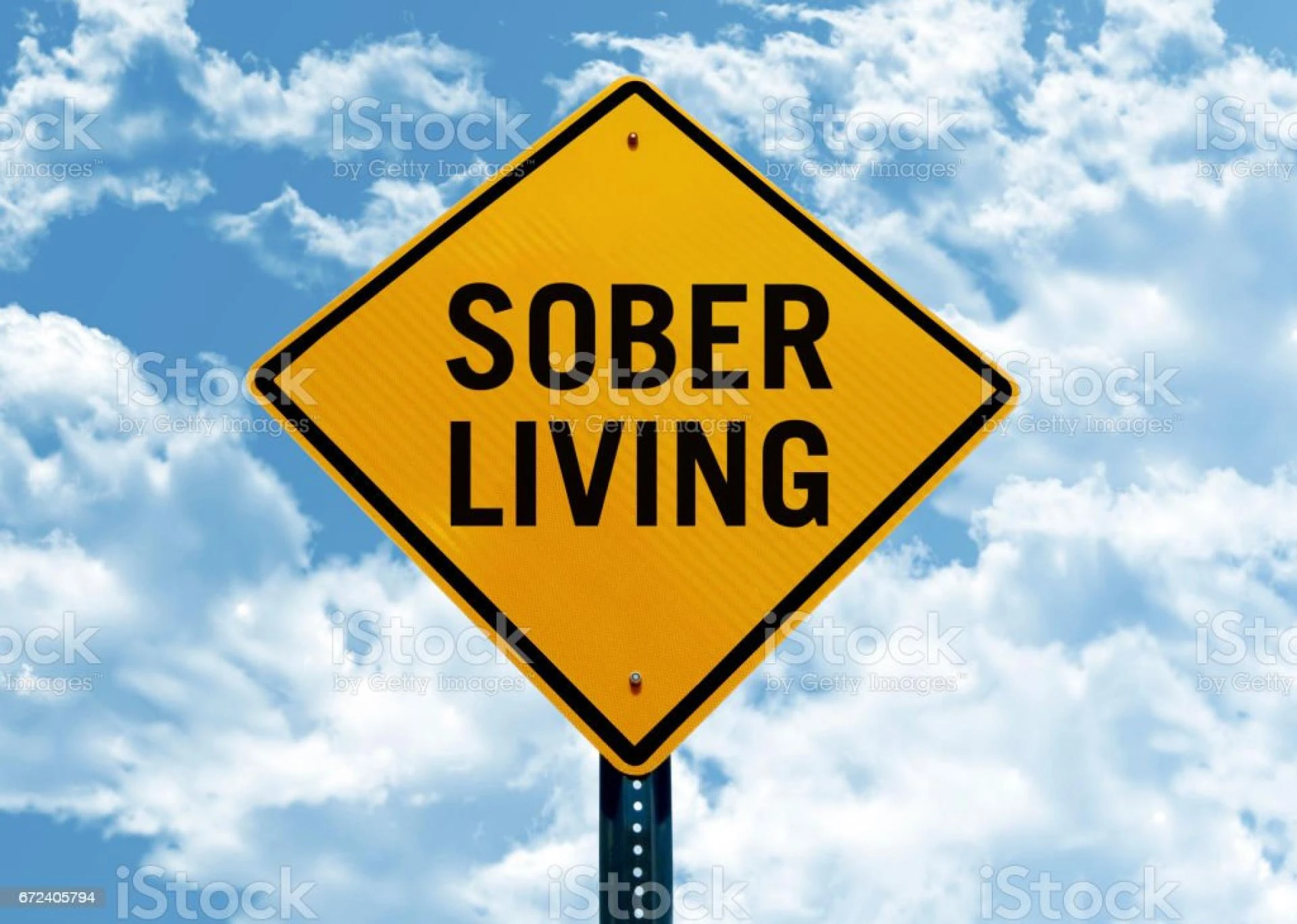

Sober living is an alternative living arrangement between the stages of an inpatient treatment program and the transition into independent living. It offers support and reduces triggers of relapse. However, it is not free. Sober living does require a certain level of money, and it is not for everyone. Depending on the location, it can cost anywhere from $100 to a few thousand dollars a month.
Sober living is a transitional living option between inpatient treatment and independent living
Sober living is a transitional living choice for individuals who need a safe and supportive environment to get back on their feet after a period of rehab. These homes serve as a bridge between inpatient treatment and independent living, alleviating many of the concerns that come with transitioning out of a monitored environment. The houses are communal, family-like settings, where rules are less strict than those at inpatient treatment centers. Residents are encouraged to attend 12-step meetings and build positive friendships.
Before entering a sober home, it's important to discuss your goals and expectations with your treatment team. The staff will be able to assess your readiness for independent living. You'll also want to consider drug testing rules. Different residences have different rules, but regular drug testing will help hold residents accountable and motivate them to stay clean.
Sober living homes can be campus-based treatment centers or independent homes. The number of residents varies, depending on the size of the home and the number of licensed beds. Typically, residents share bedrooms. However, some facilities offer individual rooms for residents.
It provides support
A sober living environment offers many advantages to people in recovery. It helps them maintain a sober lifestyle with the support and accountability of fellow residents. These homes also help people develop meaningful relationships with their roommates, which can be crucial for their mental health. After completing rehab or other forms of treatment, many people struggle to make the transition back into society. In order to ease the transition, sober living homes can provide an environment where residents can attend classes and work.
Sober living houses are designed to be comfortable, sober spaces that encourage social connections. It is important to maintain strong relationships with family and friends to maintain sobriety over the long term. The homes also offer events and activities for family members. In fact, it can sometimes feel like one big family reunion. In addition, close family members are welcome to visit any time. However, they are encouraged to contact the sober living home ahead of time to make arrangements.
Sober living homes are usually privately owned by charities or businesses, and they are located in residential neighborhoods. Residents may have private rooms or share a common area. Roommates are expected to be sober and clean and to follow a strict curfew. Moreover, they must respect staff members and their fellow residents.
It reduces triggers to relapse
Relapse triggers can come in the form of social situations, physical illnesses, or thoughts. They can also include lack of sleep and stress. Some triggers are more obvious than others, but all require careful consideration to avoid relapse. The key to reducing your risk of relapse is to recognize the types of triggers and learn healthy ways to cope with them.
One of the most important things to do to avoid relapses is to reduce your stress levels. This means finding healthy ways to deal with stressful situations and reducing your exposure to them. Often, this is easier said than done, and it's a challenge to avoid all stressors in our lives. However, we must always remember that stress is a trigger for relapse and we must manage it.
To reduce your chances of relapse, focus on the positive aspects of your life. For example, a healthy diet, regular exercise, and mental stimulation are proven to reduce relapses. You can even start journaling to record your thoughts.
It costs money
If you're considering a stay in a sober living house, you're going to have to spend some money. Depending on your level of recovery, you'll have to pay for room and board, grocery bills, and incidentals such as paper towels. You'll also need to pay for cooking and support groups, and there are many different expenses to consider. Fortunately, these expenses are generally minimal compared to the rent you would pay for a regular apartment.
Renting a sober living home can be expensive, but there are many different types of sober living homes. Some are very cheap, while others have very high rents. Some may even be covered by private insurance, government funding, and Medicaid. Some recovery residences are less expensive than rehab centers, but you need to be aware that you'll also need to pay for outpatient treatment, support group meetings, and other services.
Because sober living is a lucrative business, some sober homes are not free. Some are run by charitable organizations and may be free for the first month or two. Others may require residents to work or volunteer. Regardless of your financial situation, it's important to remember that the goal is to help someone with a substance abuse problem achieve sobriety and become a productive member of society.
0



























Sign in to leave a comment.