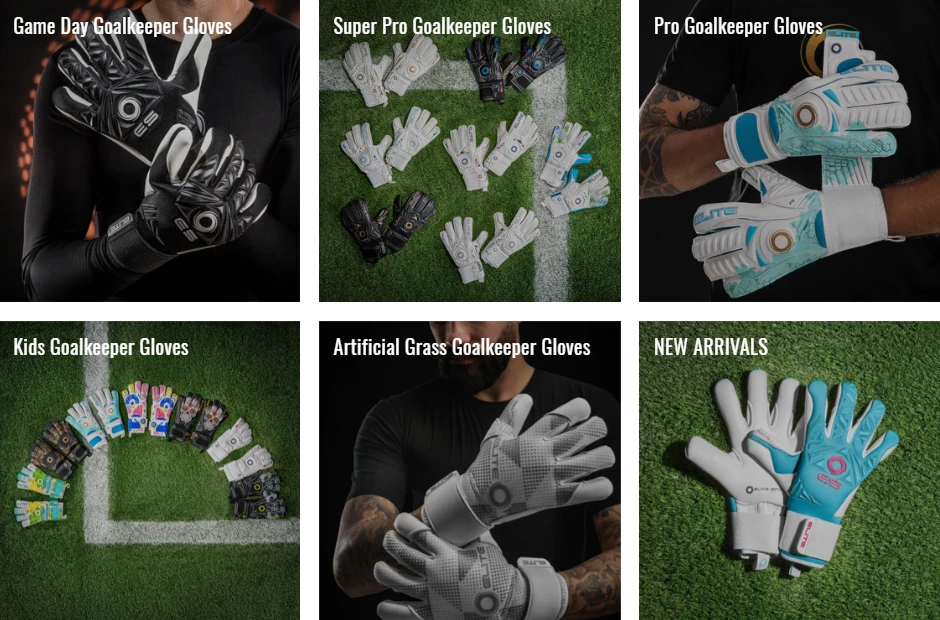

When it comes to soccer, most players think about cleats, shin guards, and jerseys first. But for goalkeepers—and even some outfield players—the gloves they wear are just as critical. The right gloves are more than just accessories; they’re a key part of your performance and safety on the field.
Soccer gloves have evolved into highly engineered equipment. Gone are the days of bulky, poorly-fitting gloves. Today, they are tailored for maximum grip, comfort, and durability under intense conditions. From fingertip saves to commanding aerial catches, gloves provide the reliability and support that every player needs.
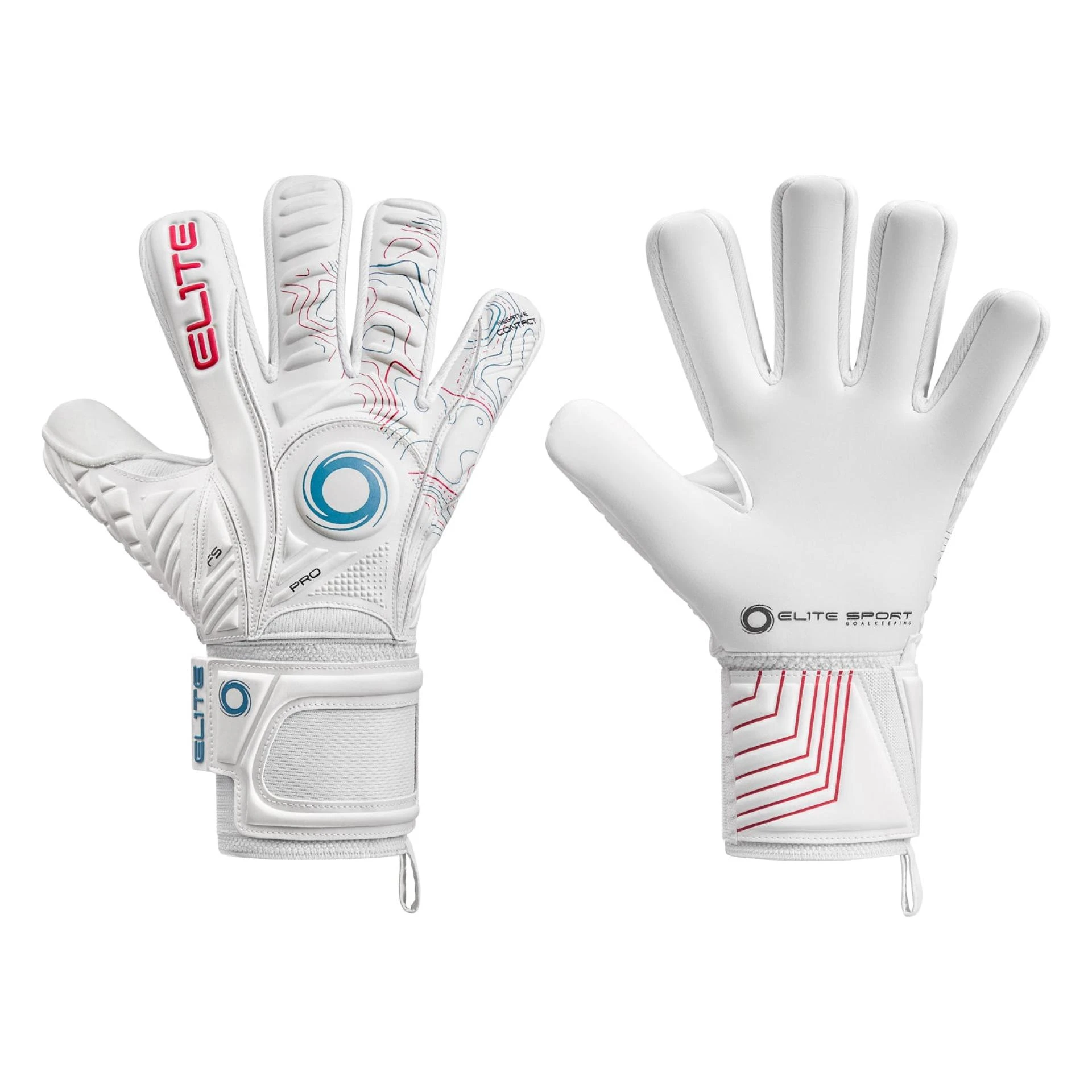
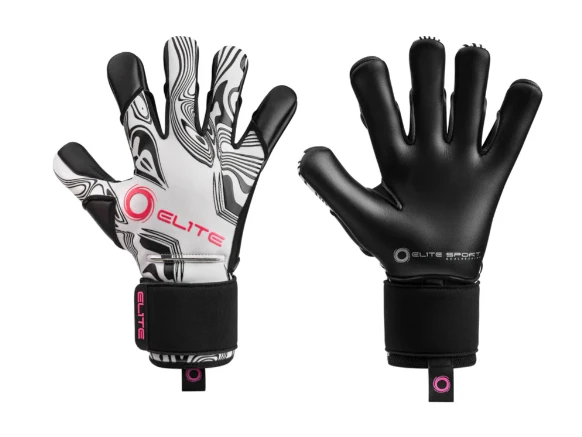
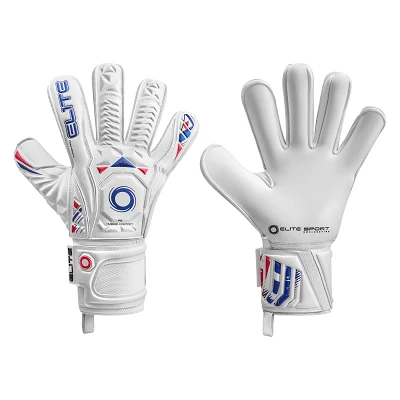
Modern soccer gloves feature several high-performance components. Latex palms, mesh backhands, and adjustable wrist enclosures work together to create a glove that’s both functional and responsive. These gloves are designed to give keepers full control of their hands, whether they’re diving to stop a shot or distributing the ball with precision.
One of the most important elements of soccer gloves is grip. Most elite-level gloves use high-grade German latex for maximum traction, even in wet conditions. The cut of the glove—negative, roll, or hybrid—also affects fit and performance. A well-fitted glove means less finger strain and more control during crucial moments.
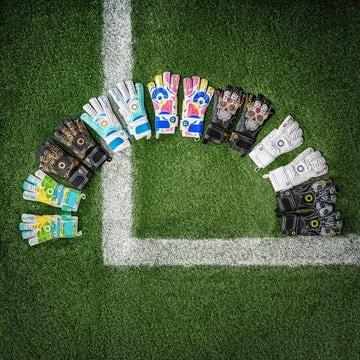
While grip and comfort are top priorities, protection is just as vital. Many gloves come with built-in finger spines to prevent hyperextension and injuries. For goalkeepers facing hard shots, this added layer of security can mean the difference between a confident save and a painful stretch.
Glove construction also matters. Breathable mesh and moisture-wicking liners keep your hands cool, while ergonomic stitching ensures flexibility. You don’t want your gloves to feel like a burden during gameplay—they should act like a natural extension of your hands.
Choosing the right pair depends on your playing style. Training gloves are typically more durable and offer moderate grip, ideal for practice. Match gloves, on the other hand, prioritize performance and ball sensitivity. If you're playing on turf or artificial surfaces, look for abrasion-resistant palms that won’t wear down quickly.
To get the most out of your gloves, regular maintenance is key. Always rinse them gently after use, store them away from heat, and avoid drying them under direct sunlight. A good pair can last you through an entire season if properly cared for.
At every level of the game, from youth leagues to professional stadiums, soccer gloves serve a vital role in performance and safety. Investing in quality gloves tailored to your position and play style is one of the smartest decisions you can make.



























Sign in to leave a comment.