

Social Work Jobs or, better put, a career in social work can be rewarding and fulfilling, as it involves helping individuals and communities overcome challenges, improve their well-being, and lead better lives. Social workers play a crucial role in addressing social issues, advocating for social justice, and providing support to those in need. Here are key aspects to consider if you are interested in pursuing a career in social work:
Education and Training:
Obtain the necessary education and training. Social workers typically need at least a bachelor’s degree in social work (BSW) for entry-level positions. However, many roles, especially those in clinical settings, may require a master’s degree in social work (MSW). Accredited programs ensure that you receive quality education and meet professional standards.
Licensing and Certification:
Check the licensing and certification requirements in your region. Social workers often need to be licensed or certified, and requirements can vary by country or state. This may involve passing an exam and completing a certain number of supervised work hours.
Specialization:
Social work encompasses various specializations, including clinical social work, school social work, healthcare social work, child and family social work jobs, and more. Consider your interests and strengths to choose a specialization that aligns with your career goals.
Field Experience:
Gain practical experience through internships and field placements. This hands-on experience is crucial for applying theoretical knowledge to real-world situations and developing essential skills in communication, empathy, and problem-solving.
Empathy and Communication:
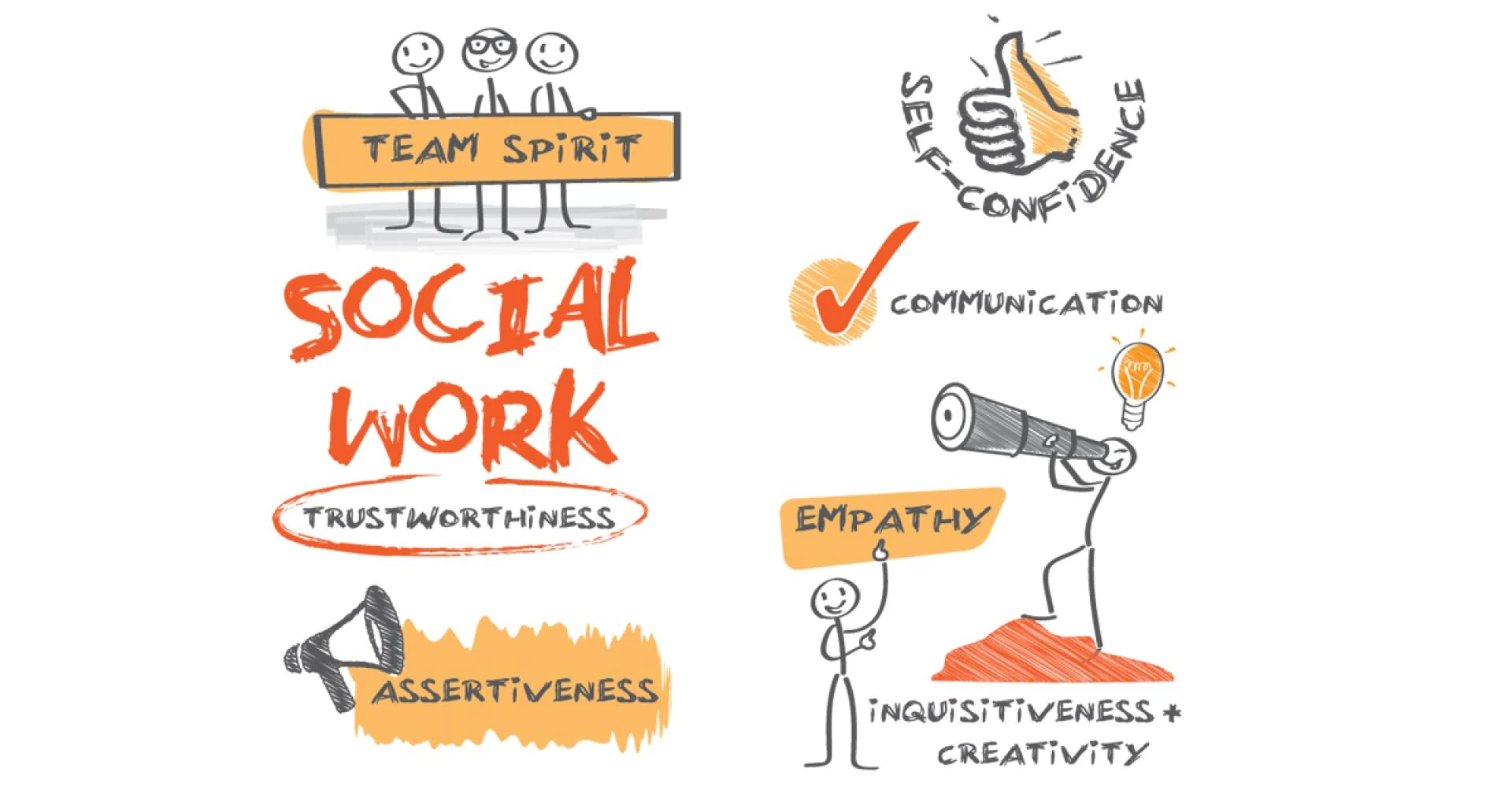
Social workers need strong interpersonal and communication skills. Being able to empathize with others, actively listen, and communicate effectively is essential for building trust and establishing positive relationships with clients.
Advocacy and Social Justice:
Social workers often engage in advocacy and work towards social justice. They may address systemic issues, challenge discrimination, and advocate for policies that promote equality and inclusivity.
Critical Thinking and Problem-Solving:
Social workers encounter complex and challenging situations. Developing strong critical thinking and problem-solving skills helps in assessing needs, formulating intervention plans, and adapting strategies to address individual and community challenges.
Ethical Practice:
Adhere to ethical standards and principles. Social workers must maintain high ethical standards in their practice, respecting the rights and dignity of clients and upholding confidentiality.
Professional Development:
Stay updated on current research, best practices, and advancements in the field. Continuous professional development through workshops, conferences, and additional certifications can enhance your knowledge and skills.
Social work offers diverse career paths, allowing professionals to work in various settings such as hospitals, schools, government agencies, non-profit organizations, and private practices. It is a field where individuals can make a positive impact on the lives of others and contribute to creating positive social change.
Psychology and Social Wok Jobs
Both psychology and social work offer a variety of job opportunities, each with its unique focus and scope of practice. Here are some common job options for professionals with backgrounds in psychology and social work:
Psychology Jobs:
Clinical Psychologist: Clinical psychologists assess and treat individuals dealing with mental health issues, emotional disorders, and behavioral problems. They may work in hospitals, private practices, or mental health clinics.
Counseling Psychologist: Counseling psychologist’s help individuals cope with life challenges, relationship issues, and personal development. They often work in educational settings, community centers, or private practices.
School Psychologist: School psychologists work in educational institutions, assessing students’ psychological and emotional well-being, providing counseling, and collaborating with teachers and parents to support academic success.
Industrial-Organizational Psychologist: Industrial-organizational psychologists focus on workplace issues, such as employee motivation, job satisfaction, and organizational behavior. They may work in corporate settings, human resources, or consultancy firms.
Forensic Psychologist: Forensic psychologists apply psychological principles to legal issues, working in areas such as criminal profiling, witness preparation, and assessing individuals involved in the legal system.
Health Psychologist: Health psychologists study the psychological factors affecting physical health and well-being. They may work in healthcare settings, research institutions, or public health organizations.
Social Work Jobs:
Clinical Social Worker: Clinical social workers provide therapeutic services to individuals, families, and groups. They diagnose and treat mental health conditions, often working in hospitals, mental health clinics, or private practices.
Medical Social Worker: Medical social workers assist patients and their families in navigating the social and emotional challenges related to illness and healthcare. They work in hospitals, clinics, and other healthcare settings.
School Social Worker: School social workers support students’ social and emotional development. They address issues such as bullying, family problems, and behavioral challenges, collaborating with educators and families.
Child Welfare Case Worker: Child welfare case workers, often employed by government agencies or non-profit organizations, work to ensure the well-being of children. They assess family situations, provide support, and make recommendations for child protection.
Geriatric Social Worker: Geriatric social workers focus on the needs of older adults. They may work in nursing homes, assisted living facilities, or community organizations, helping seniors with healthcare, housing, and social support.
Substance Abuse Counselor: Substance abuse counselors work with individuals struggling with addiction. They provide counseling, support, and guidance to help individuals overcome substance abuse issues.
Hospice Social Worker: Hospice social workers assist individuals and families facing end-of-life care. They provide emotional support, help with decision-making, and connect families with appropriate resources.
Both psychology and social work professionals may also choose to engage in research, teaching, or policy advocacy depending on their interests and expertise. It’s important to note that job titles and responsibilities can vary, and professionals may find opportunities to collaborate or transition between these fields based on their qualifications and experience.
Do Social Work Jobs Pay Well?
Social work jobs can vary widely in terms of salary, and pay levels are influenced by factors such as location, level of education and experience, the specific field of social work, and the employing organization. While social workers are often driven by a commitment to helping others and making a positive impact on communities, it’s essential to be aware that salaries in the field may not be as high as in some other professions.
Here are some general considerations:
Entry-Level Positions:
Entry-level positions in social work, especially those requiring a bachelor’s degree (BSW), may have more modest starting salaries. These positions often include roles in child welfare, community outreach, or case management.
Advanced Degrees:
Social workers with a master’s degree in social work (MSW) typically have access to a broader range of opportunities, including clinical roles and supervisory positions. Advanced degrees can lead to higher earning potential.
Specializations:
Specialized areas of social work, such as clinical social work or medical social work, may offer higher salaries compared to generalist roles. Clinical social workers, for example, may have the opportunity to establish private practices.
Government vs. Non-Profit Sector:
Social workers employed by government agencies, especially at the federal or state level, may receive competitive salaries and benefits. Non-profit organizations, while fulfilling in terms of mission, may offer more modest compensation.
It’s important to emphasize that social work is a profession driven by a commitment to social justice and the well-being of individuals and communities. While financial considerations are important, many social workers find great satisfaction in the meaningful work they do.
If earning a higher income is a priority, individuals should carefully consider their career goals, explore opportunities for specialization or advanced education, and be open to different settings and geographic locations that may offer more competitive salaries.





Sign in to leave a comment.