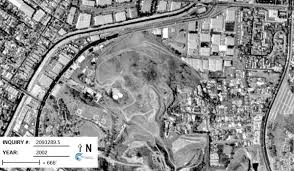

Environmental contamination often exists where it cannot be seen. Beneath the ground surface, chemical vapors can travel through soil and create potential risks for buildings and their occupants. These unseen contaminants may originate from historical industrial activities, fuel releases, chemical spills, or other environmental events. To identify and evaluate these risks, environmental professionals rely on soil vapor testing.
As environmental regulations continue to evolve and property owners become more aware of indoor air quality concerns, soil vapor testing has become an essential part of environmental investigations. Whether for property development, real estate transactions, risk management, or regulatory compliance, this process provides valuable information about subsurface conditions and potential vapor intrusion concerns.
What Is Soil Vapor Testing? 🔬
Soil vapor testing is the process of collecting and analyzing gases found within the pore spaces of soil beneath the ground surface. These vapors may contain volatile organic compounds (VOCs) or other contaminants that have evaporated from polluted soil or groundwater.
Unlike traditional soil sampling, which focuses on physical soil material, soil vapor testing examines the gases moving through the subsurface. This allows environmental consultants to determine whether contaminants are present and whether they may pose a risk to nearby buildings.
The information gathered during soil vapor testing helps environmental professionals understand the movement of contaminants and assess the potential for vapor intrusion into occupied structures.
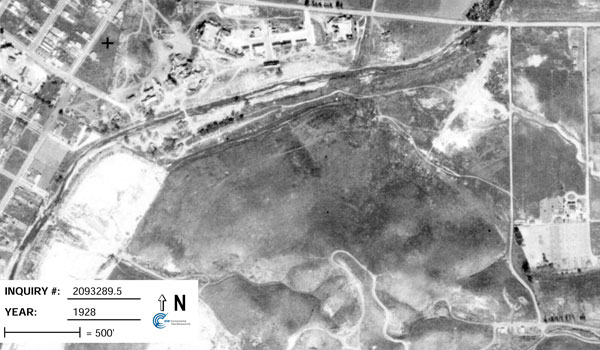
Why Soil Vapor Testing Is Important ⚠️
Many contaminants can remain underground for years without obvious signs at the surface. While a property may appear clean and safe, chemical vapors beneath the site may still be present.
Soil vapor testing helps uncover hidden environmental concerns by:
✅ Identifying subsurface contamination
✅ Evaluating vapor intrusion potential
✅ Supporting environmental due diligence
✅ Protecting indoor air quality
✅ Assisting with redevelopment planning
✅ Meeting regulatory requirements
✅ Reducing future environmental liabilities
Without testing, contamination may remain undetected until it creates health concerns, legal challenges, or costly remediation requirements.
Understanding Vapor Intrusion 🏢
One of the primary reasons for conducting soil vapor testing is to evaluate vapor intrusion.
Vapor intrusion occurs when chemical vapors migrate upward from contaminated soil or groundwater and enter buildings through:
- Foundation cracks
- Utility penetrations
- Expansion joints
- Floor drains
- Crawl spaces
- Sump pits
- Gaps around pipes
As vapors accumulate indoors, occupants may be exposed to contaminants without realizing it. Because vapors are often invisible and odorless, testing is necessary to identify potential problems.
Environmental professionals use soil vapor testing as an important tool for assessing these risks before they affect building occupants.
Common Contaminants Detected Through Soil Vapor Testing 🛢️
Various contaminants can generate soil vapors. Many originate from industrial or commercial activities that occurred years or even decades earlier.
Common contaminants include:
Petroleum Hydrocarbons
Gasoline, diesel fuel, and other petroleum products can release vapors into surrounding soil.
Chlorinated Solvents
Industrial solvents frequently used for degreasing and manufacturing may persist in the environment and create vapor intrusion concerns.
Dry Cleaning Chemicals
Certain cleaning compounds are known to migrate through soil and groundwater.
Industrial Chemicals
Manufacturing operations often utilize chemicals capable of generating harmful vapors.
Landfill Gases
Waste disposal sites may produce vapors that migrate beyond property boundaries.
Identifying these contaminants is a major objective of soil vapor testing programs.
Situations That May Require Soil Vapor Testing 📋
There are many circumstances where environmental professionals recommend soil vapor testing.
Property Redevelopment Projects 🏗️
Developers often investigate environmental conditions before redeveloping former industrial or commercial sites.
Brownfield Redevelopment 🌱
Properties with a history of contamination frequently require soil vapor evaluations before redevelopment can move forward.
Commercial Real Estate Transactions 💼
Buyers and investors may request testing as part of environmental due diligence efforts.
Environmental Site Assessments 📑
Soil vapor testing is often conducted during Phase II environmental investigations when contamination concerns exist.
Regulatory Compliance Requirements ⚖️
Government agencies may require vapor investigations as part of environmental cleanup programs.
Testing provides the information necessary to make informed decisions regarding property use and development.
The Soil Vapor Testing Process 🔍
Professional soil vapor testing involves several carefully planned steps.
Historical Site Review
Environmental consultants begin by reviewing property records, historical land uses, environmental reports, and potential contamination sources.
This information helps determine where testing should occur.
Site Reconnaissance
Field professionals inspect the property to identify potential contamination areas and evaluate current site conditions.
Installation of Sampling Points
Specialized soil vapor probes are installed at selected locations beneath the ground surface.
These probes provide access to soil gas samples for laboratory analysis.
Sample Collection
Environmental specialists collect vapor samples using established industry procedures designed to ensure accuracy and consistency.
Quality assurance measures are followed throughout the sampling process.
Laboratory Testing
Samples are analyzed by accredited laboratories to identify contaminants and measure their concentrations.
Laboratory reports provide detailed information about subsurface vapor conditions.
Risk Evaluation
Environmental professionals review the results and compare them with applicable regulatory standards and screening criteria.
This evaluation helps determine whether vapor intrusion concerns exist.

Soil Vapor Testing and Property Transactions 🏠
Environmental issues can significantly impact property value and future development opportunities. For this reason, soil vapor testing is increasingly common during commercial real estate transactions.
Benefits for buyers include:
✔ Understanding environmental conditions
✔ Identifying potential liabilities
✔ Supporting investment decisions
✔ Reducing unexpected costs
Benefits for sellers include:
✔ Demonstrating environmental transparency
✔ Addressing concerns before closing
✔ Facilitating smoother transactions
Accurate environmental information helps all parties make better decisions.
Protecting Indoor Air Quality 🌬️
Indoor air quality has become a major focus for property owners, employers, tenants, and regulatory agencies.
Contaminated vapors entering buildings may affect:
- Employee health
- Tenant comfort
- Building operations
- Regulatory compliance
- Long-term property value
Through soil vapor testing, environmental consultants can identify potential sources of indoor air contamination before they become significant issues.
Early detection allows property owners to implement mitigation measures when necessary.
What Happens After Soil Vapor Testing? 🚨
If testing identifies contamination, environmental professionals may recommend additional actions.
Possible next steps include:
Additional Investigation
More sampling may be conducted to better understand contamination patterns.
Indoor Air Sampling
Testing inside buildings may be performed to evaluate occupant exposure.
Vapor Mitigation Systems
Engineered systems can reduce or eliminate vapor intrusion risks.
Environmental Remediation
Cleanup efforts may address the source of contamination directly.
Monitoring Programs
Long-term monitoring can help track environmental conditions and verify mitigation effectiveness.
Each site requires a customized approach based on its unique conditions and risk factors.
Why Professional Expertise Matters 👷
Soil vapor investigations involve complex environmental science, specialized equipment, and strict quality control procedures. Working with experienced environmental consultants helps ensure accurate results and meaningful recommendations.
Professional services provide:
✅ Reliable sampling techniques
✅ Scientific data interpretation
✅ Regulatory guidance
✅ Comprehensive documentation
✅ Risk management solutions
Experienced environmental professionals understand how soil conditions, groundwater characteristics, building design, and contaminant behavior interact to influence vapor intrusion risks.
Conclusion 🎯
Soil vapor testing is one of the most effective tools available for identifying hidden environmental contamination and evaluating potential vapor intrusion concerns. Because subsurface contamination often cannot be detected through visual inspections alone, testing provides critical information about conditions beneath a property.
From redevelopment projects and environmental site assessments to real estate transactions and indoor air quality evaluations, soil vapor testing supports informed decision-making and proactive risk management. By identifying contamination early and addressing potential concerns before they escalate, property owners, developers, and investors can protect human health, maintain regulatory compliance, and preserve long-term property value. 🌎✨🏢



























Sign in to leave a comment.