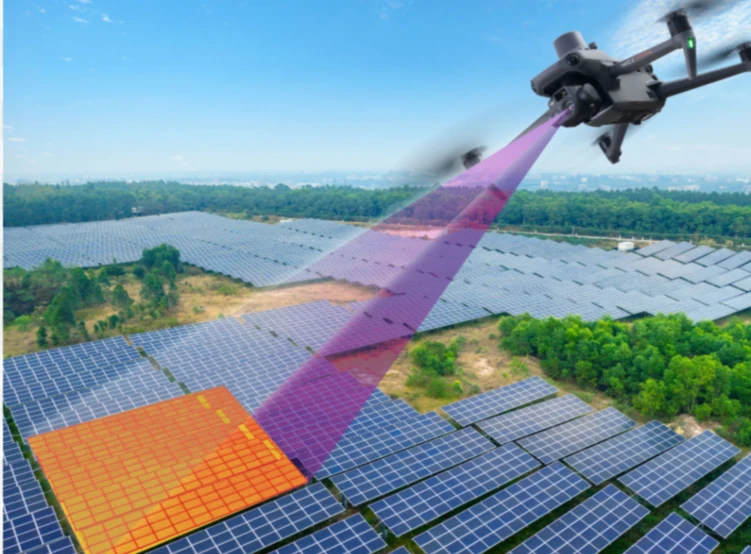
Solar Panel Drone Inspection: Enhancing Efficiency and Accuracy
The increasing adoption of solar energy has created a growing demand for efficient maintenance solutions. Traditional inspection methods for solar panels are often time-consuming, labor-intensive, and costly. Drone technology has revolutionized this process, offering a faster, safer, and more accurate alternative.
Benefits of Drone Inspection
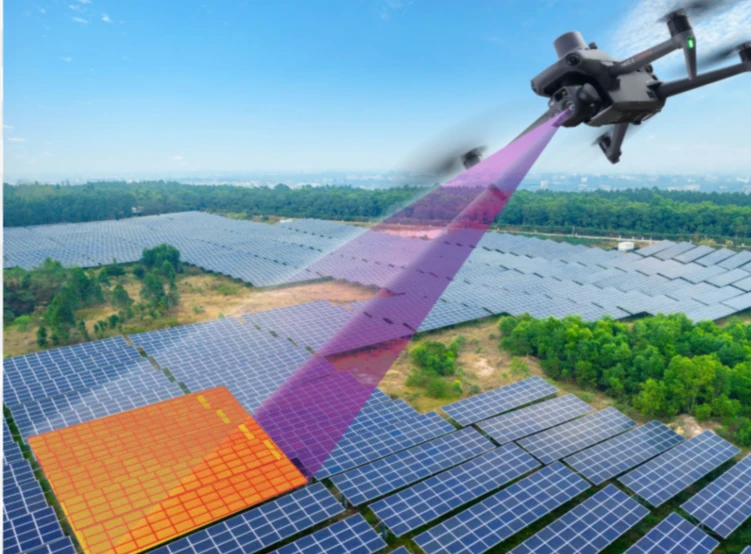
- Improved Efficiency: Drones equipped with high-resolution cameras and thermal imaging sensors can inspect large solar farms in a fraction of the time compared to manual inspections. They can cover vast areas in minutes, identifying issues such as dirt accumulation, cracks, and shading problems with minimal effort.
- Cost-Effective: By reducing the need for manual labor and expensive equipment, drone inspections significantly lower operational costs. Companies no longer need to deploy multiple personnel for on-site inspections, and costly scaffolding or cherry pickers become unnecessary.
- Enhanced Accuracy: Advanced drones use AI-powered analytics and thermal imaging to detect hot spots, faulty connections, and panel degradation with high precision. This helps in early identification of potential failures, reducing the risk of major breakdowns and improving energy efficiency.
- Safety Improvements: Manual inspections often involve climbing onto rooftops or walking through large solar farms, exposing workers to potential hazards. Drones eliminate these risks by providing a remote, non-invasive inspection solution.
How Drone Inspections Work
- Pre-Inspection Planning: Operators define flight paths using GPS and mapping software to ensure complete coverage of the solar array.
- Data Collection: The drone captures high-resolution images and thermal data while autonomously flying over the solar panels.
- Data Analysis: AI-powered software processes the images, highlighting defects and inefficiencies.
- Reporting & Action Plan: The analyzed data is compiled into a report, allowing maintenance teams to take corrective actions efficiently.
Future of Solar Panel Drone Inspections
With advancements in AI and machine learning, drone inspections will become even more precise and autonomous. Future developments may include real-time monitoring, predictive maintenance, and integration with smart grid systems. Additionally, improvements in drone battery life and sensor technology will further enhance inspection capabilities.
Conclusion
Drone technology is revolutionizing solar panel inspections by making them faster, more accurate, and cost-effective. As solar energy continues to expand globally, drone inspections will play a crucial role in ensuring optimal performance and longevity of solar power systems. Companies that adopt this technology will benefit from improved efficiency, reduced maintenance costs, and enhanced safety, ultimately maximizing their return on investment.
























Sign in to leave a comment.