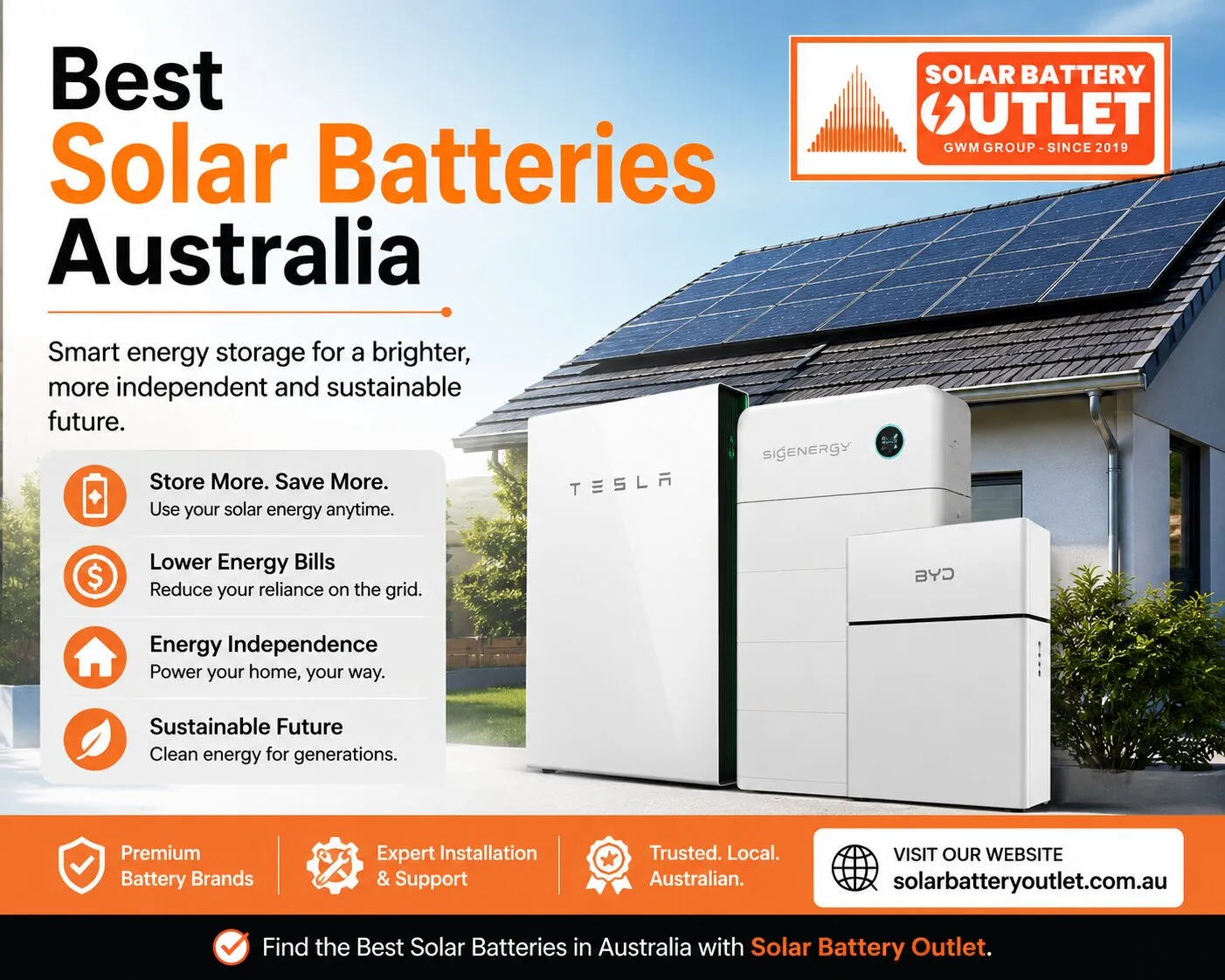


As more Australian homeowners invest in renewable energy, simply installing solar panels is no longer the only step toward reducing electricity costs. Battery storage has become an increasingly popular addition because it allows households to use more of the electricity they generate. Combining solar panels with battery technology helps maximise self-consumption, giving homeowners greater control over their energy usage while reducing dependence on the electricity grid.
During the day, solar panels often produce more electricity than a household can immediately use. Without battery storage, much of this excess energy is exported to the grid. While feed-in tariffs can provide some financial return, they are generally much lower than the cost of purchasing electricity from the grid later in the day. A battery changes this by storing surplus electricity for use during the evening, early morning, or whenever solar production is lower.
Understanding Self-Consumption
Self-consumption refers to the amount of solar electricity your household uses directly rather than sending it back to the grid. The higher your self-consumption rate, the more value you receive from your solar energy system.
Without battery storage, many homes consume only a portion of the electricity produced during daylight hours because family members are often away at work or school. By adding battery storage, unused electricity remains available when demand increases later in the day.
This approach allows homeowners to make better use of clean energy while reducing the need to purchase electricity from energy retailers.
How Battery Storage Works
Battery systems automatically store excess electricity generated by solar panels. Instead of exporting all unused energy, the battery charges throughout the day whenever solar production exceeds household consumption.
When the sun sets or energy demand increases, the battery begins supplying stored electricity to the home. This process happens automatically without requiring manual operation.
Many modern battery systems also include smart energy management software that decides when to charge, discharge, or draw electricity from the grid depending on household usage patterns.
Why More Homeowners Are Choosing Battery Storage
Battery storage offers practical advantages beyond simply lowering electricity bills.
Some of the most significant benefits include:
- Increased use of renewable energy
- Lower reliance on electricity retailers
- Better management of peak electricity pricing
- Greater energy independence
- Improved overall system efficiency
- Reduced electricity waste
These advantages make battery storage an attractive option for households planning long-term energy savings.
Choosing the Right Battery Capacity
Selecting the correct battery size is one of the most important decisions when designing a solar energy system.
Several factors influence the ideal battery capacity, including:
- Daily electricity consumption
- Size of the solar panel system
- Evening electricity usage
- Household size
- Future energy requirements
- Electric vehicle charging plans
A battery that closely matches household energy usage usually delivers the best performance and financial return.
Choosing a battery solely based on storage size may result in unnecessary costs if much of the stored electricity is never used.
Improving Everyday Energy Efficiency
One of the biggest advantages of combining solar panels with battery storage is improved daily energy efficiency.
Rather than depending heavily on electricity supplied by the grid during the evening, homeowners can use electricity generated earlier in the day. This makes better use of renewable energy while reducing overall electricity purchases.
Simple habits can further improve self-consumption, including:
- Running washing machines during daylight hours
- Charging household devices while solar panels are generating electricity
- Scheduling dishwashers during sunny periods
- Using smart appliances that automatically operate during peak solar production
These small adjustments help maximise battery performance without affecting daily routines.
Smart Monitoring Makes a Difference
Modern battery systems often include mobile applications that provide real-time monitoring of energy production and usage.
Homeowners can usually monitor:
- Solar generation
- Battery charge level
- Household electricity consumption
- Grid imports and exports
- Historical performance data
These insights help identify opportunities to improve energy efficiency while making it easier to understand household electricity habits.
Planning for Future Energy Needs
Energy requirements rarely remain the same over time. Families may purchase electric vehicles, install home offices, renovate their properties, or add new electrical appliances.
Planning battery capacity with future energy growth in mind helps avoid expensive upgrades later.
Many modern battery systems also allow additional storage modules to be added if electricity demand increases, providing flexibility as household requirements change.
Battery Technology Continues to Improve
Residential battery technology has advanced significantly in recent years.
Today's lithium-ion batteries provide:
- Longer operating life
- Faster charging
- Higher efficiency
- Improved safety systems
- Intelligent software management
- Reduced maintenance requirements
These improvements allow homeowners to enjoy more reliable battery performance over many years.
High-quality batteries also include manufacturer warranties that provide additional confidence regarding long-term operation.
Comparing Long-Term Value
Battery storage should be viewed as a long-term investment rather than simply another household appliance.
Although upfront costs vary, long-term value depends on several factors, including battery lifespan, efficiency, warranty coverage, usable storage capacity, and installation quality.
Many homeowners researching a Solar battery sale naturally compare prices first. However, selecting a battery based only on purchase cost may overlook important performance differences that affect overall value during the battery's lifetime.
Professional Installation Matters
Even the best battery system will not deliver its full potential without proper installation. Correct system design, battery placement, electrical connections, and software configuration all influence overall performance. Working with experienced professionals ensures that the battery integrates smoothly with the existing solar system while complying with Australian safety standards.
A well-installed system operates more efficiently, experiences fewer technical issues, and provides reliable performance over its expected lifespan. Professional installers also help homeowners understand how the system works, monitor battery performance, and identify opportunities to maximise self-consumption.
Battery Maintenance Is Simple
Modern battery systems require very little maintenance compared to many other household technologies. Most units are designed to operate automatically, using built-in software to manage charging, discharging, and overall system health.
Although maintenance requirements are minimal, homeowners can help maintain peak performance by:
- Keeping the battery area clean and well-ventilated.
- Scheduling occasional system inspections.
- Monitoring battery performance through the manufacturer's app.
- Installing software updates when recommended.
- Addressing warning notifications promptly.
Routine care helps extend battery life while ensuring reliable energy storage throughout the year.
Supporting Energy Independence
One of the biggest reasons homeowners choose battery storage is the ability to become less dependent on the electricity grid.
Electricity prices can fluctuate over time, making it difficult for households to predict future energy costs. Battery storage provides greater flexibility by allowing homeowners to rely more heavily on electricity generated by their own solar system.
With solar panels with battery, households gain greater control over how and when they use electricity. Instead of purchasing power during expensive evening periods, they can use stored solar energy generated earlier in the day.
This increased energy independence gives homeowners more confidence while improving the overall value of their renewable energy investment.
Environmental Benefits Beyond Cost Savings
Battery storage not only reduces electricity bills but also supports broader environmental goals.
Using stored solar electricity instead of grid power helps reduce reliance on electricity generated from fossil fuels. This lowers greenhouse gas emissions while making renewable energy more effective throughout the day.
As more Australian households adopt battery storage, the collective impact contributes to a cleaner and more sustainable energy network.
Reducing wasted solar production also means that more renewable electricity is used where it is is generated rather than being lost or exported unnecessarily.
Choosing Quality Over Short-Term Savings
When comparing battery systems, it is easy to focus on promotional pricing. However, long-term performance often depends on product quality rather than the lowest purchase price.
If you come across a Solar battery sale, take the time to compare more than just the advertised discount. Consider factors such as battery efficiency, usable storage capacity, warranty period, expected lifespan, compatibility with your inverter, manufacturer reputation, and after-sales support.
A slightly higher-quality battery may provide better value over many years through improved reliability and consistent performance.
Preparing for Future Technology
Household energy needs continue to evolve. More Australians are installing electric vehicle chargers, smart appliances, home offices, and efficient heating and cooling systems.
Planning ahead ensures your battery system can support these future requirements without requiring a complete replacement.
Many battery systems are designed with expansion options, allowing additional storage capacity to be added as electricity demand grows. This flexibility makes battery storage a practical long-term investment rather than a short-term solution.
Making the Most of Your Solar Investment
A solar power system produces its greatest value when as much generated electricity as possible is used within the home. Battery storage makes this possible by capturing surplus electricity and making it available whenever it is needed.
By understanding household energy usage, selecting the right battery capacity, monitoring system performance, and planning for future energy needs, homeowners can significantly improve the efficiency of their renewable energy system.
As battery technology continues to improve, combining solar generation with intelligent energy storage provides a practical way to reduce electricity costs, improve energy independence, and support more sustainable living. For households looking to maximise every unit of solar electricity they generate, solar panels with battery offer a reliable and future-ready solution that continues to deliver value year after year.



























Sign in to leave a comment.