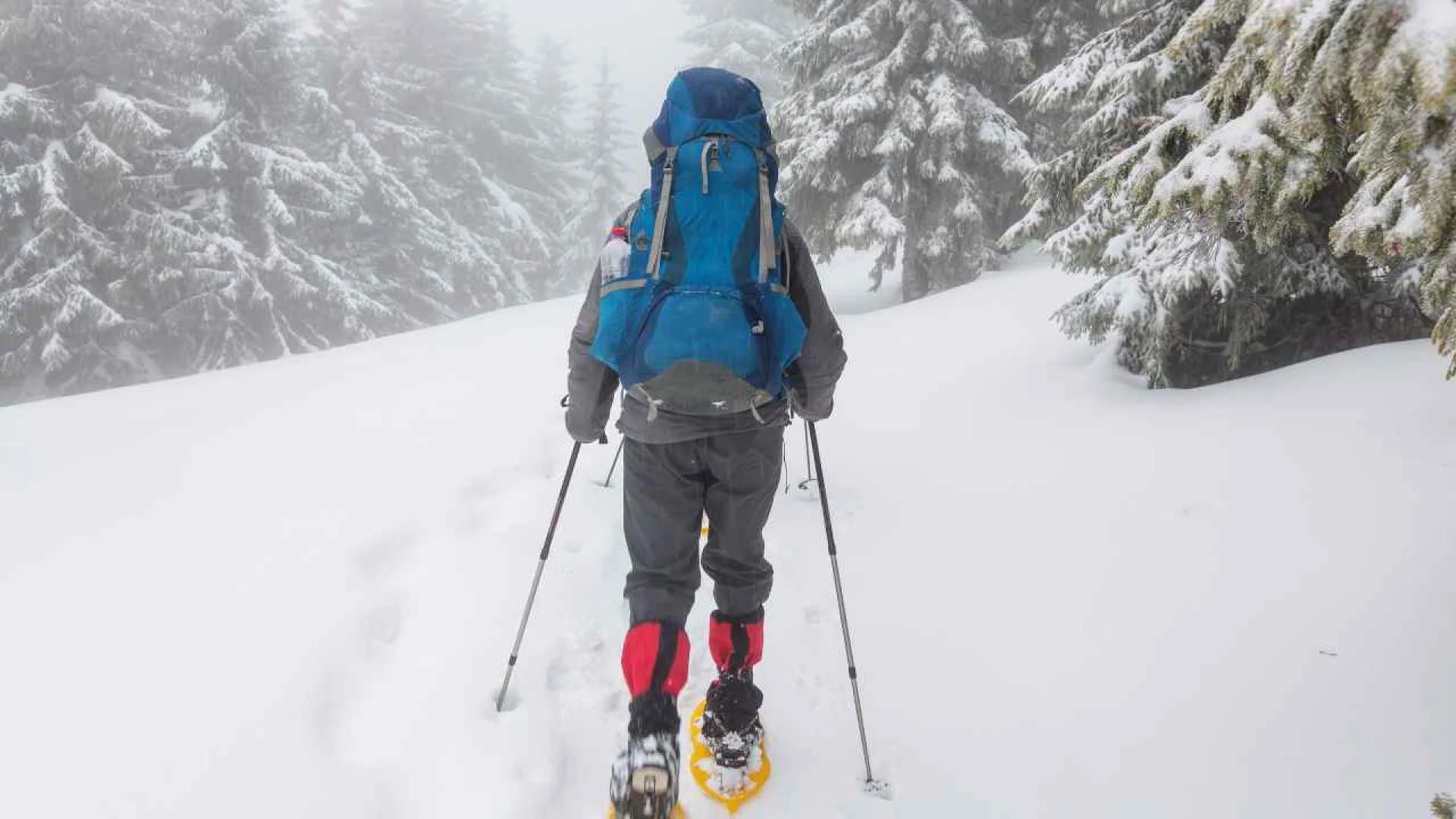

Solo hiking offers a unique opportunity for personal reflection and connection with nature, but it also requires thorough preparation to ensure safety and enjoyment. Whether you’re planning to conquer steep mountains or explore serene forest trails, knowing how to prepare and what to bring is essential. This guide will provide you with detailed advice on gearing up for your next solo hiking adventure.
Understanding the Essentials of Solo Hiking
Meticulous Planning: The success of a solo hike begins long before you set foot on the trail. Research your intended route, understand the terrain, and familiarize yourself with the local weather conditions. Use reliable sources to gather information about the trail’s difficulty and estimated completion time.
Notify Someone: Always inform someone about your hiking plan, including your route and expected return time. This step is crucial for your safety, as it ensures someone will alert authorities if you do not return as scheduled.
Fitness Preparation: Solo hiking demands good physical condition. Engage in regular exercise that mimics hiking movements, such as stair climbing, trekking on inclines, or long-distance walking to build stamina and strength.
Packing Essentials: What to Bring on Your Solo Hike
Appropriate Gear: Choosing the right gear is pivotal for a safe and comfortable hike.
- Backpack: Opt for a lightweight, durable backpack with enough space to carry all your essentials but not so large that it becomes a burden.
- Clothing: Dress in layers to easily adapt to changing temperatures. Include moisture-wicking fabrics, a warm insulating layer, and a waterproof outer layer.
- Footwear: Wear well-fitted, sturdy hiking boots or shoes with good grip and ankle support to prevent slips and injuries.
Navigation Tools: Reliable navigation tools are your best allies on a solo hike.
- Map and Compass: Always carry a physical map and compass as they do not rely on batteries or signal coverage.
- GPS Device: A GPS device can be a helpful supplementary tool for route tracking and emergency location marking.
First Aid Kit: Customize a first aid kit for hiking, including items such as bandages, antiseptic wipes, blister care products, and any personal medications.
Sun Protection: Protect yourself from sun exposure to prevent sunburn and heat exhaustion.
- Sunscreen: Use a broad-spectrum sunscreen with an SPF of at least 30, and reapply every two hours.
- Hat and Sunglasses: A wide-brimmed hat and UV-protection sunglasses help shield your skin and eyes from harmful UV rays.
Food and Water: Adequate hydration and nutrition are critical.
- Water: Carry enough water for the day and have a method for water treatment if you plan to refill from natural sources.
- Snacks: Pack high-energy, lightweight snacks like nuts, dried fruit, and energy bars. Include a balanced mix of protein, fats, and carbohydrates.
Emergency Shelter: Pack a lightweight emergency shelter, such as a bivy sack or space blanket, which can be crucial if you get stranded or injured.
Technology for Safety: Modern technology offers additional safety layers that are invaluable for solo hikers.
- Emergency Beacon: Devices like a PLB (Personal Locator Beacon) or a satellite messenger can send distress signals to emergency services, pinpointing your exact location.
- Mobile Phone: Keep your mobile phone charged and in a waterproof case. While service may be limited, it can be vital in emergencies.
Mental Preparedness: Solo hiking can be as mentally challenging as it is physically. Prepare to face long periods of solitude and understand your own capacity to handle isolation. Mental resilience can often be the key to overcoming unexpected challenges.
Environmental Responsibility: Leaving No Trace
Practice Leave No Trace principles to minimize your impact on the environment. Pack out all your waste, stay on designated trails, and respect wildlife. Being a responsible hiker ensures that the natural spaces we enjoy remain pristine for future adventurers.
Conclusion
Solo hiking is a rewarding endeavor that offers profound personal and physical benefits. By preparing adequately and packing smartly, you can ensure that your solo adventures are not only memorable but also safe. Remember, the key to successful solo hiking lies in careful preparation, self-reliance, and respect for nature.









Sign in to leave a comment.