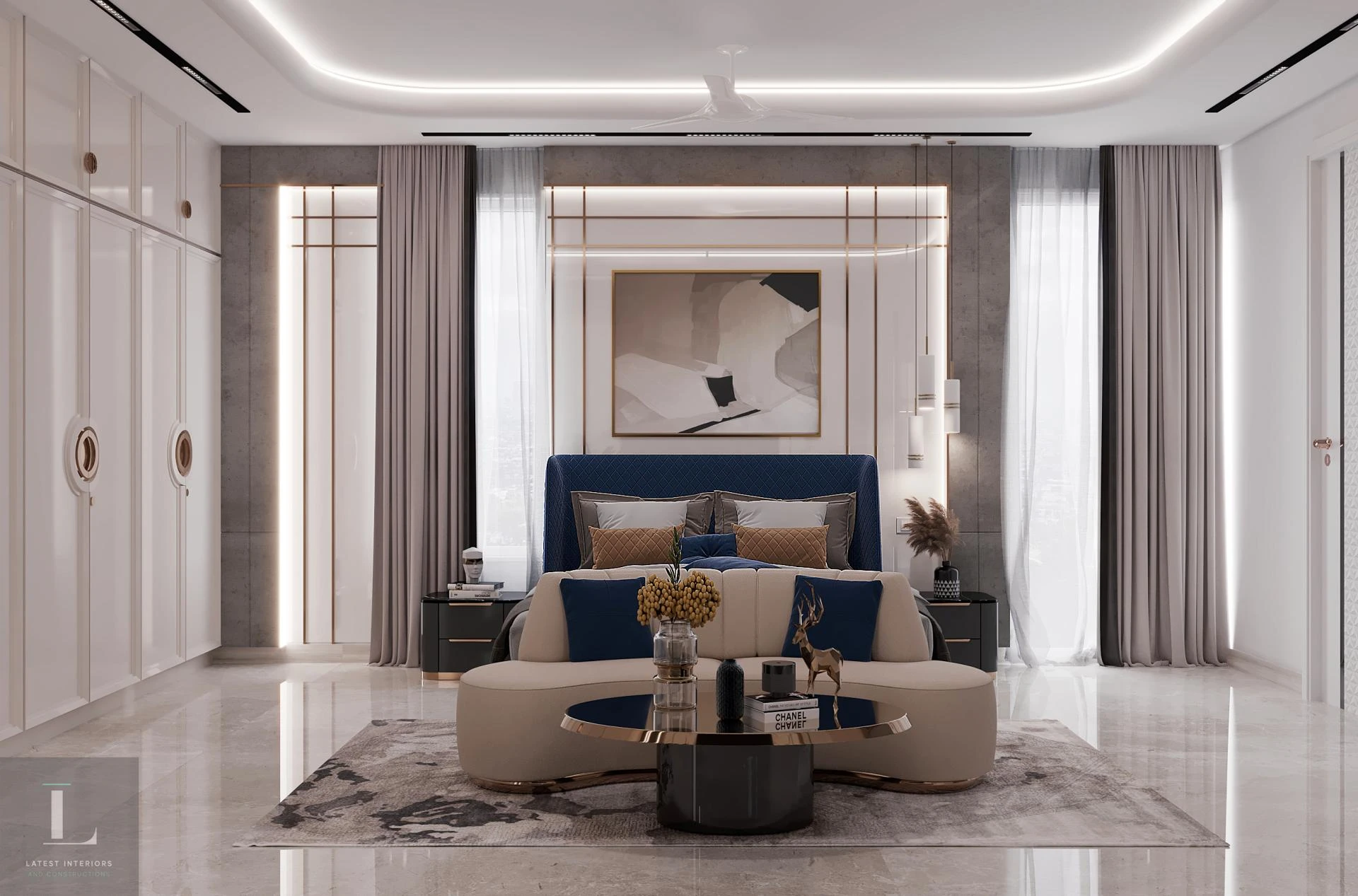

There's a reason why entering a well-designed space feels like a hug or a burst of fresh energy. It is not just about looks or materials or the way one places a couch. It’s about emotions. How your home feels is often more important than how it looks. But most of all, the emotional architecture. Let’s take a step back. What’s the first thing that comes to your mind when you think of where your home is? Was it the aroma of freshly prepared food filling a grandmother's kitchen? Maybe a balcony filled with sunlight where you sipped your evening tea. Or that slightly creaky wooden floor that for some reason made you feel safe?
These are not random memories. They were formed by the space around you. And that’s what modern design seems to finally be tapping into – the silent conversation between your interiors and your soul.
The Design Shift: From Pinterest Boards to Personal Stories
In a world of quick-click, timeless inspiration – where everyone has a “dream home” saved in a folder – we always overlook that one thing that makes space truly yours: meaning.
While trends come and go, meaningful design – one that understands your routines, quirks, preferences, rhythm, and memories of your life – stays. It's less about following the latest interior trends and more about curating a lifestyle within four walls.
Now the best interior designers in Delhi or any other city across the globe understand this need. The question they ask is – What story does this room want to tell? Instead of dictating a style, they're inviting homeowners to co-author it.
The Psychology of Space
Science backs this shift too.
- Natural light enhances mood and productivity, according to studies.
- If zoning is not taken into consideration when designing open-plan layouts, family interaction may suffer.
- Even color selections can affect one's ability to focus, sleep, or relax.
That soothing blue wall in your bedroom?It may simply be helping your brain in slowing down before bed. And that little reading nook in the corner? It may be urging you each time to read the books you bought months ago.
Design is not superficial. It has an impact on your life, emotions, thoughts, and relationships.
Design That Grows with You
Adaptability has been one of the more overlooked characteristics of good interior design. Life isn’t static – your home shouldn’t be either.
Your child will outgrow that silly wallpaper.
Your bootstrapped startup will grow from a corner of the garage to a fully functioning home office.
Your idea of comfort can change from cushy sofas to ergonomic seats.
A good designer is not just here to deliver a pretty space. They give you a place that offers you room to expand – that can flex, reimagine, and recreate on the ebbs and flows of your life.
This is something that probably the best interior designers in Delhi know instinctively. The process starts with deep listening for them. It's not only about what you like; they want to know why you like it, how you live, when you rest, and what you cherish. Then, they turn that into spatial design that reflects you, not them.
The Invisible Touch
You know good design not when you see it – but when you don’t.
It is how a kitchen counter fits you and allows you to cook without bending your back.
It's the way the lighting changes throughout the day to give your house a sense of life and time.
It's that subtle positioning of your workspace to enable focus yet not isolation.
The design done in this manner does not shout for attention – it works silently in the background, like a trusted friend who always knows what you need.
Designer’s Role: More as a Therapist and Less as a Trendsetter
The modern interior designer is a multifaceted professional who manages projects, creates things, and, perhaps most importantly, acts as a kind of therapist.
Because a house is more than just its physical components. It's a combination of personal taste, childhood nostalgia, emotional baggage, and future goals.
A skilled designer is aware of this psychology. They pose the difficult queries: Are you designing for comfort or to wow visitors? Is your need for additional storage a result of hoarding or of actual need? Does this layout fit your lifestyle, or is it just a copy of what you saw online?
The process of designing turns into a quest for self-awareness.
And that's what we all really want – a home that knows us well, not just stylish wardrobes and lovely tiles.
Delhi: A City of Contrasts and Creative Canvas
In a city like Delhi, where tradition meets contemporary chaos, the need for such personalized design is even more pronounced.
A 70-year-old DDA flat might have a techie living in it.
It could be a couple staying in a colonial bungalow that hosts open mic nights every Saturday.
There is every chance a 2BHK in South Delhi can accommodate three generations under one roof.
Therein lies a design story for each of these homes, respecting the context whilst still breaking out of stereotypes.
This market is completely ripe, and interior designers in Delhi have grown with it. Multiple design worlds next to each other, from small boutique studios to large multi-service firms, and they all seemed like part of a single heartbeat: the kind of design that acknowledges and respects where it is vulnerable and is culturally responsive without caving in to cultural stereotypes.
But how do you know which one to choose? That one person who not only delivers on visuals but also understands the emotional blueprint of your dream home?
At the End: Bringing It All Together
So, when you spend time at home with yourself and with those special to you, it needs to be more than just “Instagrammable,” not only pretty but also intentional and emotionally connected. If you’re ready to bring that change into the life you're leading, then looking for a designer should be less about portfolios and more about values for you.
These feelings are echoed by the well-known firm of interior designers in Delhi NCR, Latest Interiors. With over ten years of experience and a focus on human-centered space design, they take pride in having contributed to the transformation of homes into homes, clinics into healing environments, and workplaces into productive cultures. They have been successful in fusing their knowledge of emotions with design to create a home that even the pickiest homeowners prefer.
It's not about following trends, after all.
It's about designing spaces that reflect who you are.























Sign in to leave a comment.