
Multiple sclerosis (MS) is a chronic neurological condition that affects the central nervous system — the brain and spinal cord. It occurs when the immune system mistakenly attacks the protective covering of nerve fibers (myelin), leading to communication problems between the brain and the rest of the body. At Southern Neurology Miranda, patients benefit from expert evaluation, advanced diagnostic tools, and personalised care for MS. If you're seeking trusted MS diagnosis in Miranda, our experienced neurologists are here to help.
What is Multiple Sclerosis?
MS is an autoimmune disorder that can cause a wide range of symptoms depending on which part of the nervous system is affected. The course of MS varies from person to person. It may progress steadily, or it may involve episodes of worsening symptoms (relapses) followed by periods of improvement (remissions).
How Southern Neurology Miranda Diagnoses MS
Diagnosing MS requires careful evaluation, as its symptoms can mimic other conditions. At Southern Neurology Miranda, the diagnostic process includes:
- Detailed medical history and neurological examination — to assess patterns of symptoms and signs of nerve damage
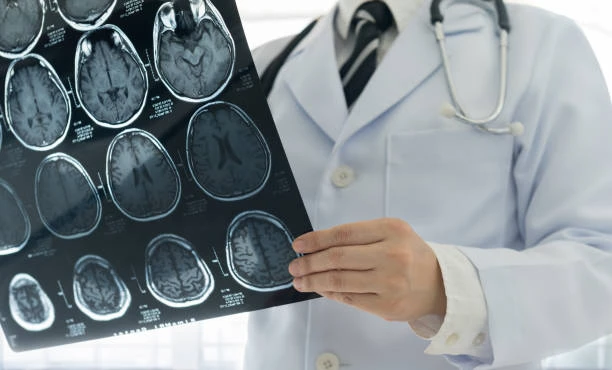
- Magnetic Resonance Imaging (MRI) — to detect lesions or areas of damage in the brain and spinal cord
- Lumbar puncture (spinal tap) — to analyze cerebrospinal fluid for signs of inflammation or abnormal immune activity
- Evoked potentials tests — to measure electrical activity in response to stimuli and assess nerve pathway function
- Blood tests — to exclude other conditions that can resemble MS
These investigations help confirm the diagnosis and guide the choice of treatment.
When to Seek Medical Advice
If you experience unexplained neurological symptoms — such as vision changes, weakness, numbness, or balance problems — it’s important to seek evaluation promptly. Early diagnosis and treatment of MS can improve long-term outcomes.





























Sign in to leave a comment.