
Bali\'s pleasant weather and lush vegetation create a picturesque setting, perfect for Instagram photos. However, this environment also supports a wide range of animals, insects, and reptiles, some of which are less friendly than the hospitable Balinese people. Here’s what you should be cautious of on this paradise island.
Dangerous animals
Monkeys
While not common in our countries, cartoons and Disney movies depict monkeys as cute, harmless creatures frolicking amusingly. In reality, they are cunning and crafty with sharp fangs. They can spread various diseases, including deadly rabies if unvaccinated. If bitten by a monkey (or any animal), seek immediate medical attention, even if the wound seems minor. Monkeys can be aggressive, especially in groups, and show no fear. They can easily snatch food, water, glasses, phones, earrings, or anything that catches their interest. In Monkey Forest, Ubud, some monkeys reportedly collaborate with locals, stealing items and returning them for a reward. If you want to observe monkeys, be cautious and keep shiny items hidden.
Balinese Dogs
Balinese dogs, or "balidogs," aren\'t always pleasant or cute. They can carry scabies, demodicosis, fungal and bacterial infections, fleas, and lice. Although not common, it\'s wise to wash your hands thoroughly after contact with a dog. They also pose a risk of causing accidents while riding a scooter, often lying on roads, especially at night, such as the road from Canggu to Ubud. Additionally, they can be aggressive and bite, especially in packs, posing a greater danger. For example, last year, a pack of dogs attacked an Australian. They are potential carriers of rabies, so even minor bites require a doctor\'s consultation and possibly a series of unpleasant shots.
Cats
Cats, while adorable, can also transmit diseases like dermatophytosis, feline scabies, fleas, lice, and toxoplasmosis (which makes people love cats unconditionally). They can also spread rabies. The best solution is to practice good hygiene after contact with any animals, especially stray ones.
Snakes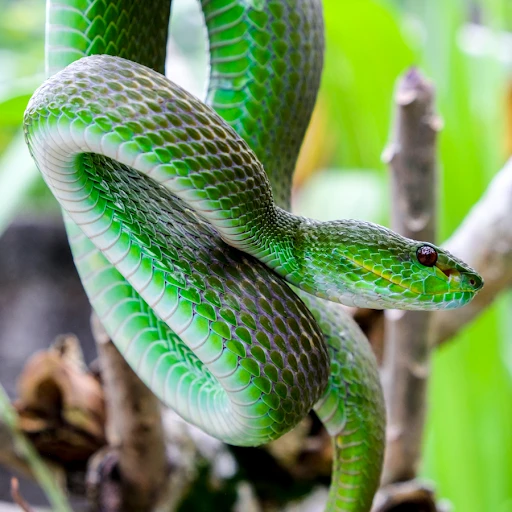
Winged Creatures: Bees, Wasps, and Hornets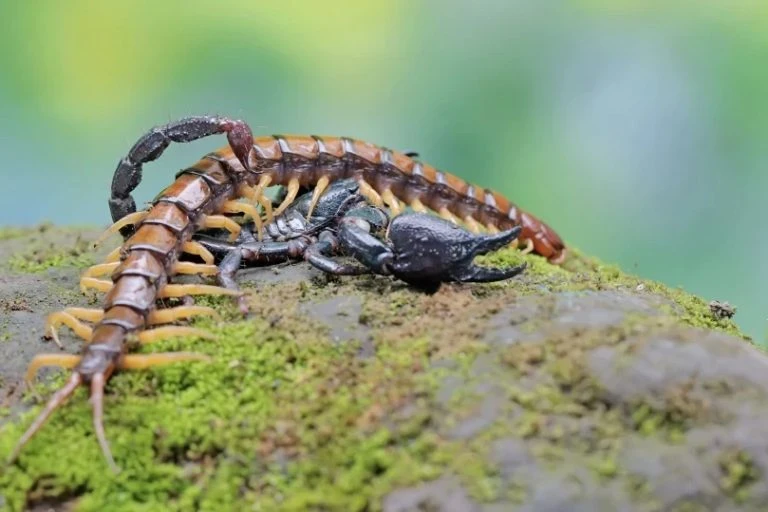
When it comes to bees, wasps, and hornets, the best strategy is to avoid disturbing them or their nests. In Bali, especially in Ubud, you may encounter many bees. I experienced a swarm visiting me every evening without being stung. If you are stung, follow these steps: check for and remove the stinger, treat the wound with antiseptic, apply a cold compress, and drink plenty of fluids. Taking an antihistamine is advisable to prevent an allergic reaction. If you experience severe allergic symptoms, go to the hospital immediately. Seek medical attention if stung on the eye, inside the mouth, or throat, as swelling in these areas can be dangerous. Allergic reactions occur in about two percent of people.
Scorpions
Bali hosts three scorpion species, none of which are deadly unless you are allergic to their stings. You\'ll know shortly after being stung if you\'re allergic. Photograph the scorpion if possible to help doctors choose the right treatment. Even without an allergic reaction, scorpion stings can be extremely painful, causing local paralysis and intense pain. Always seek medical attention, especially for children or the elderly, as they are at higher risk. After a scorpion bite, wash the wound with soap, apply a cold compress, take an antihistamine, elevate the limb to heart level, and take a pain reliever.
Ants
If ants invade your home, eliminate them promptly using local Baygon insecticide, as they can damage furniture or steal food. Ants are incredibly strong and may carry away portions of your food. If they fail, they might bite you. Besides being annoying, they can spread dengue fever. Use repellents available in stores like Indomaret and AlfaMart when heading into the forest. Since early 2023, Bali has recorded 2,500 dengue cases. If you experience symptoms such as fever, enlarged lymph nodes, a vivid red rash, joint pain, and muscle pain, seek medical attention.
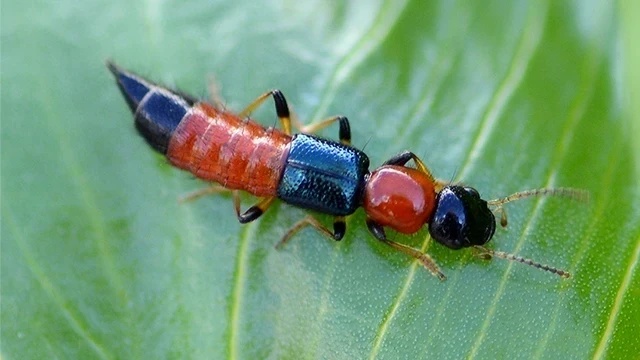
Small flying insects, primarily found in rice fields, may enter homes. Crushing or swatting them can result in serious, long-lasting chemical burns. If this happens, immediately wash the affected area with soap and water. If some time has passed, visit a pharmacy and ask for a "tomcat" ointment for burn treatment. Although these insects can be aggressive, managing them is generally straightforward. Some can grow up to 20 centimeters, and their bites are extremely painful, though not fatal. There is no antivenom, but you can take pain relievers and apply lidocaine to the affected area. Symptoms should subside within 48 hours, but it is still advisable to consult a doctor.
Yes, those large, mustached creatures, the size of a matchbox, that can also fly. They are so big they even make noise when they walk. Due to their ability to fly, they are virtually omnipresent. While they pose no physical harm to humans, they can cause significant psychological discomfort. If your home is infested, contact pest control services, which are plentiful on the island. These services can also help eliminate ants and flies.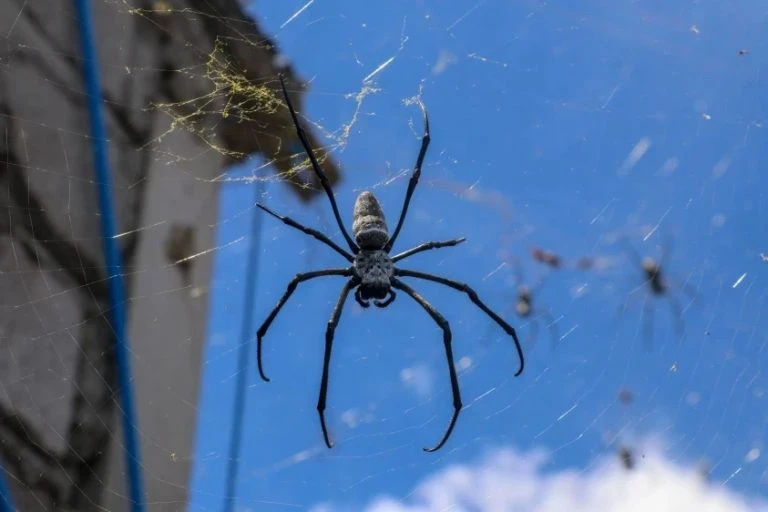
Bali doesn\'t have spiders dangerous to humans, but it does host some of the largest, jumping, and most beautiful ones. The Huntsman spider, for example, can grow up to 30 centimeters, including its multi-jointed legs. While their venom can cause discomfort, it is not harmful to humans. They don\'t see us as prey since humans don\'t fit in their webs. If bitten, wash the area with soap and water, apply a cold compress, and use pain relievers. If allergic reactions occur, consult a doctor.
Underwater Warnings: Bali\'s Fascinating yet Hazardous Creatures
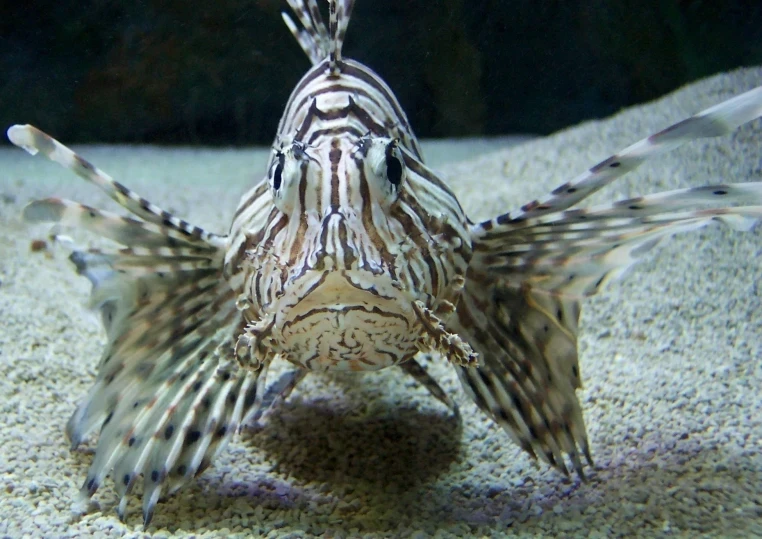
This fish\'s appearance clearly signals that it should not be touched. It\'s truly beautiful but best observed from a distance. Its sharp fin spines contain a potent protein poison that, while not fatal, can cause significant discomfort. If stung, remove any spine remnants from the wound using gloves, wash the wound with soap and water, and immerse the area in very hot water, around 60 degrees Celsius. The high temperature helps denature the protein poison. Take pain relievers, and ensure you are up to date with your tetanus shot as a precaution.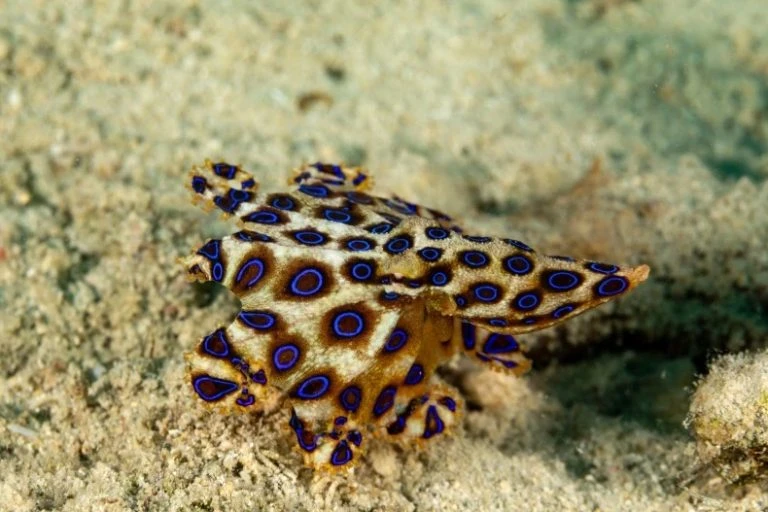
Stonefish (Wart Fish)
The stonefish is the most venomous fish in the world. Unlike the colorful butterflyfish, the stonefish excels in camouflage. Contact with it can be fatal. Its protein-based venom should be treated similarly to that of the lionfish. Remove any spines, wash the wound with soap and water, immerse the area in hot water, and seek immediate medical help.
Blue-Ringed Octopus
This small but dangerous octopus, about 15-20 cm, is found in coral reefs around Bali and can sometimes be seen in lagoons during low tide. Its beautiful, rainbow-colored display is a warning. Despite its size, its venom is potent enough to kill 26 adults. In case of a bite, perform artificial lung ventilation until medical help arrives, as the venom causes paralysis. However, encounters are rare, with only 18 recorded deaths globally, as these creatures tend to swim away quickly.
Sharks
Bali\'s waters host various shark species, including blacktip reef sharks, whitetip reef sharks, gray reef sharks, Balinese cat sharks, angel sharks, and even great white sharks. Sharks generally do not attack humans, as we are not part of their food chain. Encountering a shark should not cause fear or panic; simply respect its space. Shark diving is a popular and safe activity, as predatory fish do not see divers as prey. Since 1990, Bali has recorded only five non-fatal shark attacks. If a shark attacks, defend yourself with whatever is available and try to get to safety. If bitten, slow the bleeding with a tight bandage above the wound and head to the hospital immediately. Wrapping the victim in a blanket to reduce heat loss is also advisable.
General Advice
In conclusion, observe wildlife from a distance and avoid touching or provoking local animals, no matter how cute or beautiful they may be. Following these guidelines will ensure your encounters with Bali\'s wildlife are memorable and safe.
You can find more useful tips and read new articles here: https://bali.live/









Sign in to leave a comment.