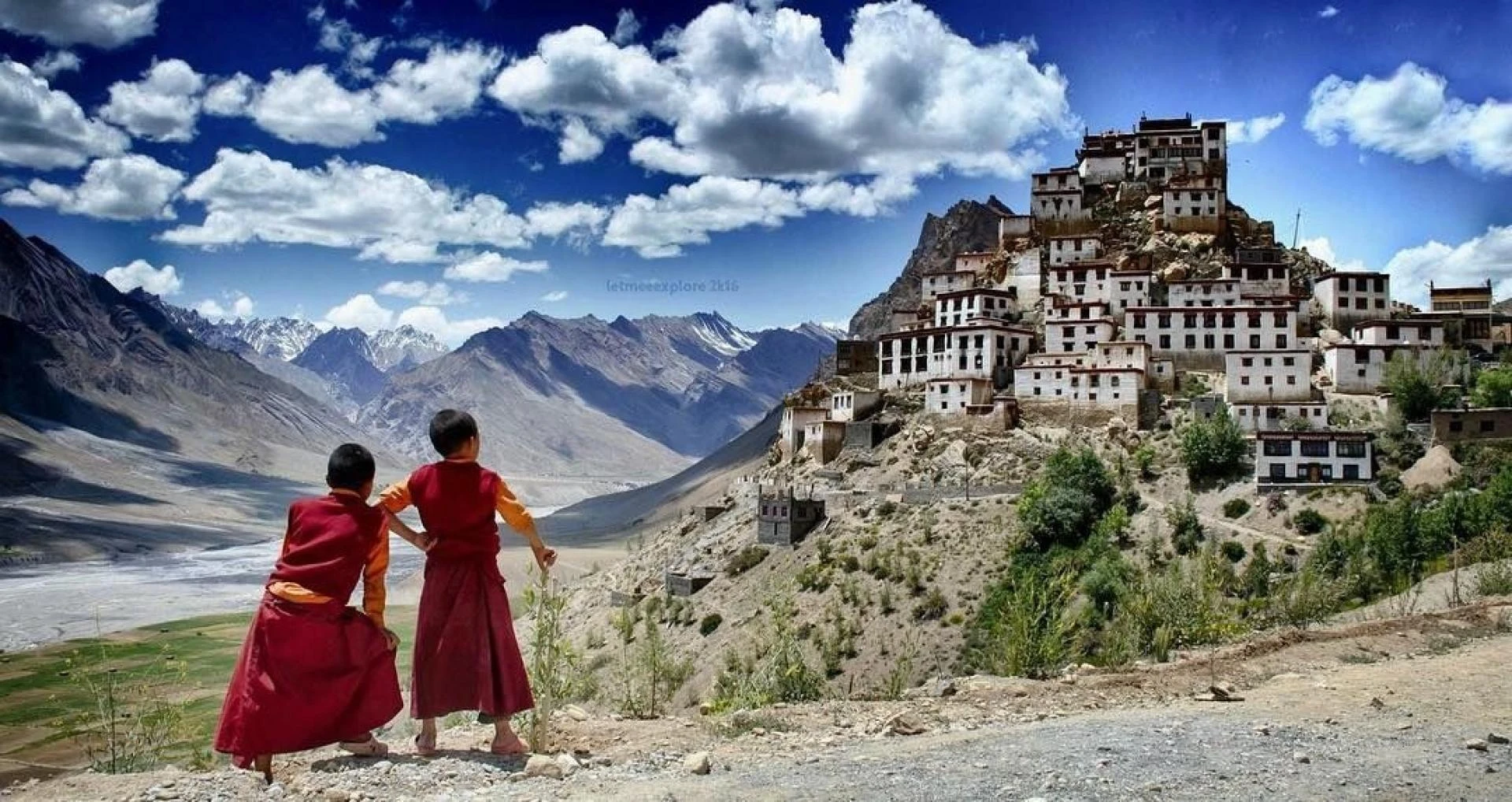

Spiti Valley, often referred to as "Little Tibet," is a high-altitude desert valley nestled in the Indian Himalayas. Renowned for its stark beauty, ancient monasteries, and rich cultural heritage, Spiti offers a unique experience that varies dramatically with each season. Whether you\'re planning a quick getaway or a longer adventure, understanding how the valley transforms throughout the year is essential. In this comprehensive guide, we\'ll explore what to expect in Spiti Valley through the seasons and include insights for a 7-day trip to Spiti.
Winter (December - February)
Winter in Spiti is a time of serene beauty and extreme cold. The temperatures plunge well below freezing, turning the valley into a frozen wonderland. Snow blankets the landscape, creating a picturesque yet harsh environment.
What to Expect:
- Snow-Covered Terrain: Most of the valley is covered in a thick layer of snow. Popular areas like Kaza and Key Monastery become breathtakingly beautiful but challenging to access.
- Limited Accessibility: Many roads, including the famous Kunzum Pass, close due to heavy snowfall. Travel is largely restricted to local routes, and getting around may require specialized vehicles.
- Cold Temperatures: Expect temperatures to drop as low as -20°C (-4°F) in the night. Proper winter gear is essential, including thermal layers, insulated boots, and gloves.
- Cultural Festivals: Winter is a great time to witness local festivals like Losar, the Tibetan New Year. The celebrations are vibrant and offer a deep dive into the local culture.
Travel Tip: If you enjoy solitude and winter landscapes, this is a magical time to visit. Ensure you have reliable transportation and check weather conditions before traveling.
Spring (March - May)
Spring marks the gradual transition from the harsh winter to a milder climate. As the snow melts, the valley starts to come alive with color and activity.
What to Expect:
- Melting Snow: The snow begins to melt, revealing the barren, yet stunning, landscape of the valley. Rivers and streams start flowing again, adding a dynamic element to the scenery.
- Rising Temperatures: Temperatures rise, making the days more pleasant, though the nights can still be cold. Daytime temperatures range between 5°C (41°F) and 15°C (59°F).
- Blossoming Flora: Spring brings the first signs of vegetation. While the valley remains largely arid, you can spot some hardy flowers and early greenery in lower elevations.
- Opening Roads: Key passes like Kunzum start to open, making access to more remote areas feasible.
Travel Tip: Spring is an excellent time for those who prefer mild weather and fewer crowds. However, be prepared for the possibility of snow in some areas, especially early in the season.
Summer (June - August)
Summer is the peak tourist season in Spiti Valley. The weather is at its most accommodating, and the valley becomes accessible to travelers from all over.
What to Expect:
- Pleasant Weather: Daytime temperatures are comfortable, ranging from 15°C (59°F) to 25°C (77°F), making it ideal for trekking and outdoor activities. Nights can be cooler but not freezing.
- Clear Skies: The skies are generally clear, offering stunning views of the Himalayas. This is the best time for photography and sightseeing.
- Greenery: Although still a desert region, the valley shows more life with patches of greenery and blooming flowers in the lower regions.
- Busy Tourist Season: This is the most popular time to visit, so expect larger crowds at popular sites. Make sure to book accommodations and permits in advance.
Travel Tip: Summer is perfect for those who want to explore the valley extensively and enjoy outdoor activities like trekking and camping. However, be prepared for higher prices and more crowded attractions.
Autumn (September - November)
Autumn is a beautiful but brief season in Spiti. The weather remains pleasant, and the landscape transitions to more earthy tones as the vegetation begins to fade.
What to Expect:
- Clear Skies and Crisp Air: The weather remains clear with crisp, fresh air. Daytime temperatures range from 10°C (50°F) to 20°C (68°F), and nights can get chilly.
- Fading Greenery: The vibrant greens of summer give way to more muted colors as plants prepare for winter. The landscape takes on a golden-brown hue.
- Closing Roads: As temperatures drop, some higher-altitude passes and roads may begin to close. Check road conditions before planning your route.
- Festivals and Culture: Autumn is a great time to experience local festivals and cultural events, as the weather is still favorable for outdoor celebrations.
Travel Tip: Autumn is ideal for those who want to experience a quieter, more serene Spiti before the onset of winter. The pleasant weather and fewer crowds make it a great time for reflection and exploration.
Planning a 7-Day Trip to Spiti
For those considering a 7-day trip to Spiti, here\'s a suggested itinerary that incorporates the valley’s key highlights across seasons:
Day 1: Arrival in Manali
- Travel: Arrive in Manali, the gateway to Spiti. Spend the day acclimatizing and exploring local sights.
- Highlights: Visit the Hadimba Temple and Mall Road.
Day 2: Manali to Kaza
- Travel: Begin the journey to Kaza, the administrative center of Spiti. This day involves crossing the Kunzum Pass (seasonal) and dealing with varying road conditions.
- Highlights: Enjoy the scenic drive and views of the Chandra River.
Day 3: Explore Kaza
- Travel: Explore Kaza and its surroundings.
- Highlights: Visit Key Monastery, Kibber Village, and get a taste of local life.
Day 4: Visit Langza and Hikkim
- Travel: Head to Langza, known for its fossil-rich landscape, and Hikkim, which boasts one of the world’s highest post offices.
- Highlights: Enjoy panoramic views of the Himalayas and unique cultural experiences.
Day 5: Trip to Chandratal Lake
- Travel: Take a day trip to Chandratal Lake, renowned for its crescent shape and stunning colors.
- Highlights: Enjoy the lake’s serene beauty and the surrounding landscapes.
Day 6: Return to Manali
- Travel: Head back to Manali, retracing your route through the Kunzum Pass.
- Highlights: Reflect on your journey and enjoy a relaxed evening in Manali.
Day 7: Departure
- Travel: Depart from Manali for your onward journey.
- Highlights: Enjoy a last meal in Manali before leaving.
Travel Tip: Adjust the itinerary based on the season and road conditions. For instance, during winter, some areas may be inaccessible, requiring alternative plans.
Conclusion
Spiti Valley offers a unique experience year-round, with each season bringing its own set of wonders. From the icy landscapes of winter to the lush greenery of summer, the valley’s charm is ever-present. Whether you\'re planning a short 7-day trip to Spiti or a longer adventure, understanding the seasonal changes will help you make the most of your visit. Embrace the journey, respect the local culture, and prepare for an unforgettable experience in one of India\'s most remote and stunning regions.









Sign in to leave a comment.