

A dining area is more than a place for meals. It often serves as a gathering point where family members connect, guests are entertained, and memorable moments are created. Because of its importance within the home, styling the dining space thoughtfully can significantly enhance both comfort and visual appeal.
Among the many furniture choices available, a teak dining table remains a timeless centerpiece because of its natural beauty, durability, and versatility. The warm tones and rich grain patterns of teak create a welcoming atmosphere while fitting effortlessly into different interior styles. Styling a space around this statement piece allows homeowners to build elegant and functional dining environments.
Why a Teak Dining Table Works in Different Interiors
Teak furniture has remained popular for generations because of its ability to combine practicality with aesthetic appeal. Its organic texture and timeless finish make it suitable for various interior styles.
A teak dining table adapts easily to contemporary, rustic, minimalist, and traditional settings. This flexibility allows it to become the foundation for many different design concepts.
Natural Tones Add Warmth
Teak wood features warm golden shades and detailed grain patterns that instantly introduce comfort into a dining area.
These natural characteristics create inviting spaces while reducing the need for excessive decoration. The wood itself becomes a visual feature within the room.
Timeless Appearance Supports Long Term Style
Interior trends change regularly, yet teak remains consistently admired because of its enduring appeal.
A teak dining table maintains relevance over time, making it easier to update surrounding décor without replacing the main furniture piece.
Choosing the Right Seating Arrangement
Seating plays a major role in defining the comfort and style of a dining space. The chairs selected should complement the table while supporting the overall design theme.
Different seating combinations can create entirely different atmospheres around a teak dining table.
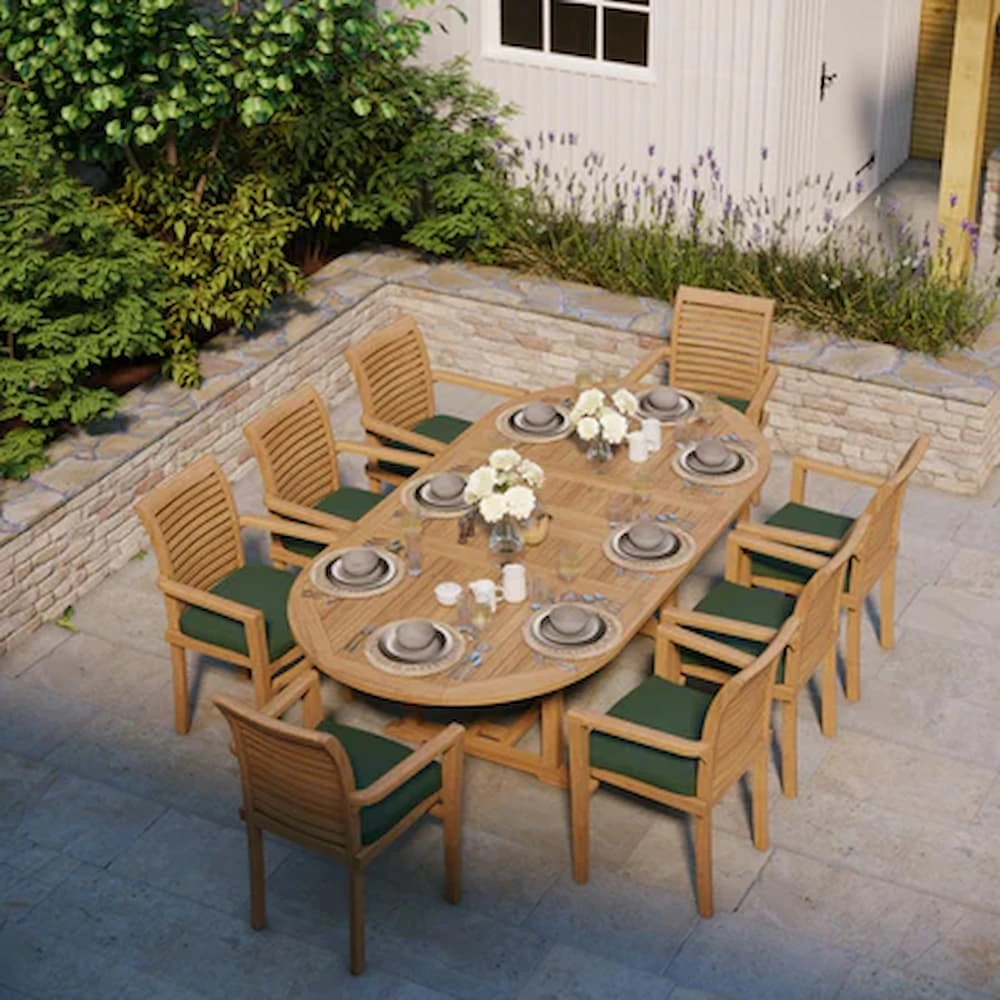
Pair with Matching Wooden Chairs
Using teak or similar wood chairs creates a cohesive and harmonious appearance.
This arrangement emphasizes natural materials and supports a balanced dining environment suitable for both modern and traditional interiors.
Mix Materials for Contrast
Combining teak with upholstered, metal, or woven chairs introduces visual interest and texture.
This contrast helps modernize the space while allowing the natural warmth of the teak table to remain the focal point.
Creating Balance with Color Schemes
Color selection strongly influences the mood and appearance of dining spaces. The warm tones of teak provide flexibility when choosing complementary colors.
A carefully planned palette helps create visual harmony around the furniture.
Use Neutral Shades
Soft whites, beige tones, light gray, and earthy colors pair beautifully with a teak dining table.
These shades maintain a calm atmosphere while allowing the wood grain to stand out naturally.
Introduce Natural Greenery
Indoor plants and foliage bring freshness and organic texture into dining areas.
The combination of greenery and teak creates balanced interiors inspired by nature and modern living.
Enhancing the Space with Lighting
Lighting affects both functionality and ambiance within a dining area. Proper lighting highlights the table while creating a welcoming environment.
A well chosen lighting arrangement elevates the visual impact of teak furniture.
Pendant Lighting Above the Table
Pendant fixtures positioned over a teak dining table help define the dining zone while adding style.
Natural materials, woven shades, or simple contemporary fixtures pair particularly well with teak surfaces.
Layer Ambient Lighting
Combining overhead lights with wall fixtures or decorative lamps creates depth within the room.
Layered lighting enhances comfort and ensures the dining area remains inviting during evening gatherings.
Adding Texture Through Accessories
Accessories contribute personality and visual balance to dining spaces. Thoughtfully selected décor enhances the appearance of the table without overwhelming it.
Textures help soften the room and add warmth.
Use Natural Textiles
Linen table runners, woven placemats, and cotton napkins pair beautifully with teak surfaces.
These materials complement the organic qualities of a teak dining table while creating an elegant dining setting.
Introduce Decorative Elements
Ceramic bowls, candles, and handcrafted pieces add character to the space.
Simple decorative accents help personalize the room while preserving a clean and sophisticated appearance.
Styling for Minimalist Interiors
Minimalist design emphasizes simplicity, functionality, and uncluttered spaces. Teak naturally supports this approach because of its understated elegance.
Its warm finish prevents minimalist spaces from feeling cold or overly structured.
Keep Décor Simple
A minimalist dining area benefits from limited but meaningful decorative elements.
A teak dining table often requires only subtle accessories because the natural wood already provides visual interest.
Focus on Clean Lines
Furniture with streamlined shapes complements the simplicity associated with minimalist interiors.
Combining clean forms with teak creates balanced and contemporary spaces.
Designing Rustic and Natural Spaces
Rustic interiors celebrate organic materials, textures, and relaxed environments. Teak fits naturally into these settings because of its authentic appearance.
Its rich grain adds depth and warmth to rustic dining areas.
Pair with Stone and Woven Elements
Stone accessories, wicker chairs, and woven rugs complement the natural texture of teak beautifully.
These combinations create inviting spaces inspired by nature and traditional craftsmanship.
Add Earth Toned Accessories
Warm colors such as terracotta, beige, and olive enhance the organic appeal of a teak dining table.
These tones strengthen the connection between interior design and natural materials.
Defining Open Plan Dining Areas
Modern homes often feature open layouts where dining, living, and kitchen areas share the same space.
Furniture placement becomes important for maintaining visual organization.
Use Rugs to Define the Space
Area rugs placed beneath a teak dining table help establish boundaries within open floor plans.
This technique visually separates the dining zone while adding texture and comfort.
Coordinate with Nearby Furniture
Maintaining similar materials or complementary colors between spaces creates visual continuity.
Teak pairs well with various finishes, making coordination easier across open layouts.
Seasonal Styling Ideas
Dining spaces can be refreshed throughout the year with simple seasonal updates.
Teak furniture provides a neutral foundation that adapts easily to changing decorative themes.
Refresh with Natural Centerpieces
Seasonal flowers, branches, and greenery create attractive centerpieces while maintaining an organic look.
These additions complement the warm appearance of teak naturally.
Change Textiles Throughout the Year
Switching table linens, cushions, and accessories introduces variety without major redesign efforts.
A teak dining table remains versatile enough to support different seasonal styles.
Maintaining the Beauty of Teak Furniture
Proper care helps preserve the appearance and durability of teak furniture over time.
Fortunately, teak requires relatively little maintenance compared with many other materials.
Clean Regularly
Routine cleaning removes dust and preserves the natural finish of the wood.
Mild soap and a soft cloth are generally sufficient for maintaining a teak dining table.
Protect the Surface
Using placemats and coasters helps reduce scratches and marks during daily use.
These simple practices support long term beauty and functionality.
Creating a Comfortable Dining Experience
A well styled dining area should balance appearance with comfort.
Furniture arrangement, lighting, and accessories all contribute to the overall experience.
Prioritize Space Around Seating
Adequate spacing improves movement and comfort around a teak dining table.
Thoughtful layout planning helps create a welcoming environment for gatherings.
Blend Function with Style
Storage solutions, decorative accents, and comfortable seating should work together seamlessly.
This balance creates dining spaces that are both practical and visually appealing.
Conclusion
A teak dining table serves as more than a functional furniture piece. It becomes the heart of the dining area and provides a foundation for creating elegant, welcoming, and versatile spaces. Through thoughtful styling choices involving seating, lighting, colors, textures, and accessories, homeowners can design dining environments that reflect both comfort and personality.
Whether creating a minimalist retreat or a warm natural setting, teak remains a timeless choice for interior design. For premium outdoor and indoor furniture inspiration, Luxus Home and Garden Australia continues to offer quality craftsmanship and beautiful living solutions.



















Sign in to leave a comment.