
In the world of industrial materials, few can match the versatility and durability of stainless steel. Stainless steel 310, in particular, is a high-alloy grade designed to withstand extreme conditions such as high temperatures and corrosive environments. Whether you're involved in manufacturing, aerospace, or energy production, stainless steel 310 sheets and plates are essential materials that can ensure long-lasting performance and reliability. This article explores the characteristics, benefits, and applications of stainless steel 310 sheets and plates and why they are favored in demanding industries.
What is Stainless Steel 310?
Stainless steel 310 is an austenitic stainless steel that is known for its excellent resistance to heat and oxidation. It is primarily composed of iron, with 25-30% chromium and 19-22% nickel, making it suitable for high-temperature applications. Stainless steel 310 is often chosen for environments that experience elevated temperatures, and it boasts the ability to withstand extreme heat without losing its structural integrity.
The high chromium and nickel content of stainless steel 310 enhances its resistance to oxidation, making it an ideal choice for applications in high-temperature furnaces, kilns, and boilers. It is also highly resistant to scaling and corrosion in environments with aggressive chemical exposure, adding to its appeal in industries such as petrochemicals, power generation, and heat treatment.
Properties of Stainless Steel 310
Stainless steel 310 is known for its superior qualities, which make it one of the top choices in industries that require a combination of high strength, corrosion resistance, and heat resistance. Below are some of the key properties that make this material stand out:
- High Temperature Resistance: Stainless steel 310 can endure temperatures up to 2100°F (1149°C) intermittently and 1900°F (1038°C) continuously, making it an excellent choice for high-heat applications. This temperature tolerance is essential in industries like power generation, aerospace, and heat treatment where components are subjected to extreme heat on a daily basis.
- Excellent Corrosion Resistance: The elevated levels of chromium and nickel give stainless steel 310 superior resistance to oxidation and corrosion. It is particularly resistant to sulfur, salts, and various acidic environments, which is crucial in industries like chemical processing, where such elements are often present.
- High Strength and Durability: Stainless steel 310 is designed to maintain its strength at elevated temperatures. This high strength combined with its durability ensures that the material can endure mechanical stress, pressure, and thermal cycling without significant wear or deformation.
- Resistance to Scaling: Stainless steel 310 exhibits excellent resistance to scaling, which makes it suitable for high-temperature environments where oxidation and scaling could otherwise degrade the material’s performance.
- Non-Magnetic: Stainless steel 310 is non-magnetic in its annealed condition, which is particularly useful in applications that require non-magnetic materials, such as in electronics or certain medical equipment.
- Ease of Fabrication: Stainless steel 310 is easy to weld and fabricate, allowing it to be shaped into various forms like sheets and plates for use in different applications. This flexibility makes it highly adaptable for a wide range of manufacturing processes.
Stainless Steel 310 Sheets and Plates
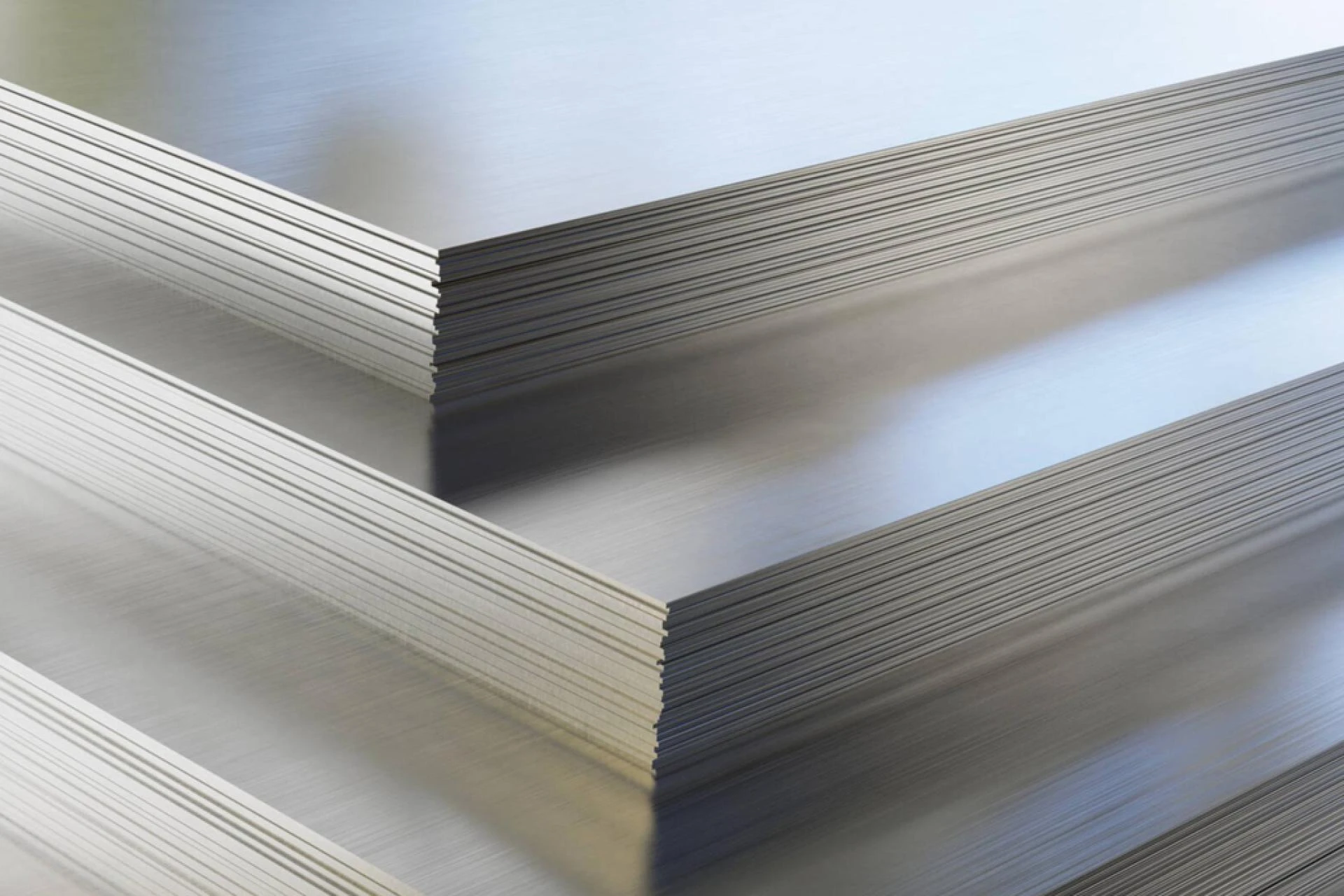
Stainless steel 310 is available in both sheet and plate forms, each with unique characteristics suited to different applications. Understanding the distinctions between sheets and plates will help you choose the right material for your specific needs.
Stainless Steel 310 Sheets
Stainless steel 310 sheets are thin, flat pieces of material that come in various thicknesses, typically ranging from very thin (a few millimeters) to medium thickness. These sheets are commonly used in applications where flexibility, lightness, and ease of installation are essential. Some common uses of stainless steel 310 sheets include:
- Heat Exchangers: Stainless steel 310 sheets are used to construct heat exchanger components due to their high heat resistance and durability. In heat exchangers, stainless steel 310 helps transfer heat efficiently without degrading under high temperatures.
- Furnace Parts: The high-temperature resistance of stainless steel 310 makes it ideal for furnace parts such as liners, trays, and components that need to withstand extreme heat.
- Chemical Process Equipment: The corrosion resistance of stainless steel 310 sheets makes them highly effective for use in environments where aggressive chemicals or gases are present, such as in the production of chemicals or pharmaceuticals.
Stainless steel 310 plates are thicker than sheets and are typically used in more demanding, heavy-duty applications where added strength and durability are necessary. Plates are often used for structural components and are cut into larger sections, making them ideal for projects that require robust, reliable materials. Some typical uses of stainless steel 310 plates include:
- Pressure Vessels and Boilers: Stainless steel 310 plates are commonly used in pressure vessels and boilers where they are subjected to high pressures and temperatures. The material’s excellent resistance to oxidation and heat makes it ideal for maintaining structural integrity in these challenging environments.
- Heat Treatment: In heat treatment operations, stainless steel 310 plates are used for trays, baskets, and other components that need to endure repeated heating and cooling cycles. Their ability to withstand high temperatures without warping or cracking ensures reliability in these critical processes.
- Power Plants: Stainless steel 310 plates are used in power plants for components such as turbines, piping, and reactor vessels. The material's ability to resist heat and corrosion ensures optimal performance and longevity in these heavy-duty applications.
Advantages of Stainless Steel 310 Sheets and Plates
Stainless steel 310 offers numerous advantages that make it an excellent choice for industries requiring high-performance materials. Below are some of the main benefits of using stainless steel 310 sheets and plates:
- Outstanding Heat Resistance: The most significant advantage of stainless steel 310 is its ability to perform in high-temperature environments. Its excellent heat resistance makes it suitable for applications such as heat exchangers, furnaces, and boilers where other materials might fail due to thermal degradation.
- Superior Corrosion Resistance: Stainless steel 310’s resistance to corrosion from chemicals, gases, and moisture is invaluable in industrial environments. This property extends the material’s lifespan and reduces the need for frequent replacements, making it a cost-effective choice in the long run.
- Reliability and Durability: Stainless steel 310 is highly durable, capable of withstanding mechanical stress, high temperatures, and harsh environmental conditions. This makes it a trusted material in industries where equipment needs to perform reliably for extended periods.
- Formability and Fabrication: The material’s ease of welding and fabrication makes it adaptable to a wide range of applications. Whether in sheet or plate form, stainless steel 310 can be processed and shaped to meet specific design requirements, adding to its versatility.
- Non-Magnetic and Non-Reactive: For certain applications where magnetic interference could be problematic, stainless steel 310’s non-magnetic properties are beneficial. Additionally, its non-reactive nature ensures that it will not contaminate products, which is particularly important in industries like food processing or pharmaceuticals.
Applications of Stainless Steel 310 Sheets and Plates
Stainless steel 310 is commonly used across industries where high-temperature strength, corrosion resistance, and durability are paramount. Some of the key industries and applications include:
- Power Generation: Components such as boilers, heat exchangers, and turbines benefit from stainless steel 310's heat resistance and strength.
- Chemical Processing: Stainless steel 310 is used in reactors, pipes, and other equipment that must withstand harsh chemicals and high temperatures.
- Aerospace: Aircraft and engine components that are exposed to high heat can rely on stainless steel 310 for structural integrity.
- Food Processing: Stainless steel 310 is often used for heat-resistant components in the food industry, where hygiene and durability are critical.
Conclusion
Stainless steel 310 sheets and plates are indispensable materials in industries where high-temperature performance and corrosion resistance are critical. Their strength, durability, and versatility make them a top choice for applications ranging from heat exchangers to power plants. With their superior heat resistance and ability to withstand harsh environments, stainless steel 310 sheets and plates continue to play a vital role in ensuring the reliability and longevity of equipment in demanding industrial applications.
When considering stainless steel 310 for your next project, ensure that you source your material from a reputable supplier to meet the necessary specifications for your application.



























Sign in to leave a comment.