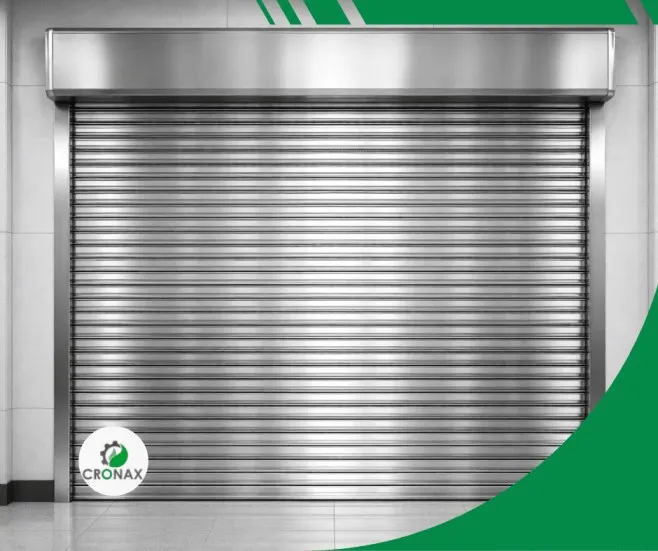

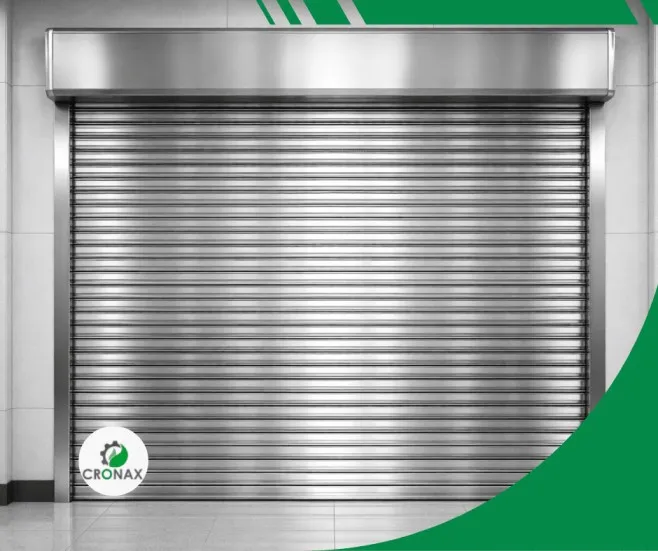
If you walk down any old market street in India you will see mild steel rolling shutters. They are painted times but the paint is coming off and you can see the rust. The shop owner knows he needs to replace it. He will wait until it stops working completely.
This is what is happening with rolling shutters in India.. Things are changing.
More and more people are asking about the cost of the shutter not now but in three years. When you think about it this way a stainless steel rolling shutter makes a lot of sense.
It is not about how it looks, although stainless steel rolling shutter do look better. It is about being practical.
The Problem With Mild Steel That Nobody Talks About Upfront
Mild steel shutters are not products. They have done the job for decades. They will continue to do the job.. Mild steel shutters come with a set of long-term costs that rarely show up in the initial quote. And that is where the comparison gets interesting.
Mild steel shutters, by their nature want to rust. The moment the protective paint coat on the steel shutters gets a scratch. From a vehicle brushing past from the metal expanding and contracting through seasons from monsoon water sitting in the track. The rusting process starts. You can slow down the rusting process with painting of the mild steel shutters with grease on the guides of the mild steel shutters with careful maintenance of the mild steel shutters.. You cannot stop the rusting process of the mild steel shutters.
In cities like Mumbai, Chennai or Kochi the salt air accelerates the rusting process of the mild steel shutters dramatically. A mild steel shutter that might last eight years in a climate can start showing serious corrosion in three or four years, near the coast. In food processing areas where the mild steel shutter gets exposed to water and cleaning chemicals, the lifespan of the mild steel shutter drops further.
And the maintenance cost isn't just the shutter itself. It's the labour, the painting, the replacement slats, the seized guides, the motor repairs that follow when debris from corroding slats jams the mechanism. It adds up quietly, year after year.
A stainless steel rolling shutter sidesteps most of this. Not through some extraordinary technology — just through material chemistry. Stainless steel forms a chromium oxide layer on its surface that actively resists corrosion. It doesn't need paint to protect it. It doesn't need annual treatment. It just sits there and does its job.
Why People Are Choosing Stainless Steel Now
This is not an idea but it is becoming more popular. There are three reasons for this.
First the price of steel is not as high as it used to be. It is still more expensive than steel but it is worth it in the long run.
Second people need to follow rules about hygiene. Food safety is important and stainless steel shutters are better for this.
Third factories and warehouses are getting bigger. They need shutters that can keep up. They need shutters that're reliable and do not break down.
Where Stainless Steel Rolling Shutters Are Being Used
The adoption of stainless steel shutters is not the same different industries are moving at different speeds for different reasons. Here is where the demand is strongest:
Food processing and packaging units. This area is growing fast. Stainless steel is a choice because it is non-porous does not rust and can be cleaned many times without getting damaged. For any facility that needs to pass a food safety audit stainless steel shutters make the sense.
Pharmaceutical and chemical plants. The need for cleanliness is more important here. If a shutter near a production area starts to corrode it's not just a risk. It's a problem. Grade 316 stainless steel is often used in these environments because it resists chlorides and cleaning chemicals well.
Cold storage and refrigerated warehouses. The big temperature difference between inside and outside creates condensation on surfaces near loading doors. Mild steel in this environment rusts faster than in conditions. Stainless steel holds up well without needing treatment.
Retail showrooms and premium commercial spaces. Here it's more about looks than cleanliness. A brushed stainless steel rolling shutter looks like a choice. It takes photos stays clean and shows customers that the owner cares about the property. Car showrooms, jewelry shops and electronics stores have been switching to steel rolling shutters for a few years now.
Coastal commercial properties. Any business, near the sea already knows how much damage salt air can do to metal. Replacing a steel shutter every four to five years can be expensive. Switching to steel removes that cost.
Comparing Stainless Steel and Mild Steel
Let's be fair to both sides.
Mild steel is cheaper upfront. For a small shop with a modest budget and low traffic, it may still be the right call — especially if the environment is relatively dry and the shutter gets light use. The cost savings at purchase are real.
SS is less demanding over time. No repainting. No rust treatment. Minimal maintenance beyond keeping the track clear and the mechanism lubricated. Over a ten-year period, the maintenance cost difference is substantial — often enough to offset the higher initial price completely.
Mild steel is heavier. The extra weight matters when you're talking about motorised operation. Heavier shutters need stronger motors, which means higher power consumption and more mechanical strain on the system over time.
SS handles harsh environments that mild steel can't. This isn't a marginal difference — it's categorical. In food, pharma, chemical, or coastal environments, mild steel is fundamentally the wrong material regardless of price.
Mild steel needs surface protection that degrades. Paint, powder coating, galvanising — all of these slow corrosion but don't eliminate it. Once the protective layer fails, the steel underneath starts corroding. Stainless steel doesn't rely on surface coating for its corrosion resistance. The protection is built into the material.
What to Look for When Buying a Stainless Steel Rolling Shutter
Not all stainless steel is the same. You need to know what to look for.
Grade 304 versus Grade 316. When it comes to commercial and retail applications Grade 304 is the standard because it handles moisture and humidity and general atmospheric corrosion very well.. Grade 316 is different because it has molybdenum in the alloy, which gives it much better resistance to chlorides and chemical exposure. So if you are in a location or a food processing facility or anywhere that involves frequent cleaning with chemical agents Grade 316 is worth the extra cost.
Slat profile and thickness. Thicker slats mean the shutter is more rigid and can resist entry better and hold its shape under wind load. For warehouse applications you should look for slats with a robust interlocking profile instead of flat strips. This interlocking design keeps the shutter rigid. Reduces rattling.
Finish. A brushed finish is more practical for use because it hides minor scratches and does not show fingerprints or dust like a mirror-polished surface does. A mirror polish looks great in showrooms. It requires more upkeep. For factories and warehouses a brushed finish is the choice every time.. For premium retail or hospitality either finish works depending on the overall look you want.
Manual vs motorised.. For anything than a small shop shutter that is opened once or twice a day a motorised rolling shutter is the way to go. The wear on the mechanism from operation over years especially on a heavier Grade 316 shutter adds up. A good motorised system with an timer reduces that wear significantly and makes daily operation much easier. You should check the motors torque rating against the shutters weight.
Guide and hardware quality. A shutter is only as good as its installation. The guides, bar, spring shaft and brackets all contribute to smooth and long-lasting operation. If you have hardware, on a quality shutter it is a waste of investment. You should look for Grade 304 or galvanised hardware throughout, not the curtain slats.
Cronax Industries. Built for Real Conditions
If you are looking for a ss rolling shutter you should consider Cronax Industries. They make shutters that are built for conditions, not just for show. They use the materials and the right hardware to make sure their shutters last.
What makes Cronax stand out in a market is the quality of their work across the entire system. This includes not the curtain slats but also the guides, the shaft, the bottom bar and the hardware. They know that a shutter can fail at its point and they do not cut corners on the parts that most buyers do not think to ask about.
Their range of stainless steel rolling shutters includes options with remote operation timer controls and obstruction sensors. These are features for commercial and industrial users who want reliability without having to intervene every day. For factories and warehouses where the shutter is opening and closing times daily the engineering behind the motor mounting and spring balancing is important. Cronax gets this right.
They also work with buyers who have -standard opening sizes or specific installation constraints. This is an issue in older commercial buildings where the opening dimensions do not match standard sizes. Cronax can do custom fabrication without the cost or long wait that usually comes with it.
If your existing mild steel shutter is giving you problems or if you are fitting out a facility and thinking about the long term it is a good idea to talk to Cronax Industries before you make a decision.
The Three Questions Worth Asking Before You Decide
Before you call any supplier, it's worth having answers to these:
What's the environment like?
Dry and temperate — MS or SS both work, the choice is more about budget and longevity. Coastal, humid, food, pharma, chemical — SS isn't optional, it's the minimum sensible choice.
How often does the shutter operate?
Low traffic, once or twice daily — manual MS can be fine. High cycle, motorised, continuous operation — SS with proper motorisation pays for itself through reliability alone.
What's your real budget horizon?
If you're comparing first-year cost, mild steel looks better. If you're comparing ten-year cost including maintenance, painting, and likely replacement — SS often costs less in total.
Those three questions narrow the decision considerably, and any supplier who can't engage with them seriously probably isn't the right one.
The Bottom Line
Mild steel rolling shutters helped build trade for many years. They are not disappearing soon and in the right situation and budget they are still a good option.
However the argument for stainless steel rolling shutters has become stronger. For people working in places where rust is a problem cleanliness is important or the shutter is used a lot every day. The initial cost is higher. So is the benefit.
What changed in 2026 is that more buyers are calculating the costs correctly before they install of after they have already replaced a shutter twice. This change, in thinking is whats causing the switch. Not a fashion, not advertising the long-term numbers adding up.
Looking at a new stainless steel rolling shutter installation or a replacement? Talk to Cronax Industries about the right grade, specification, and size for your property before you commit.


























Sign in to leave a comment.