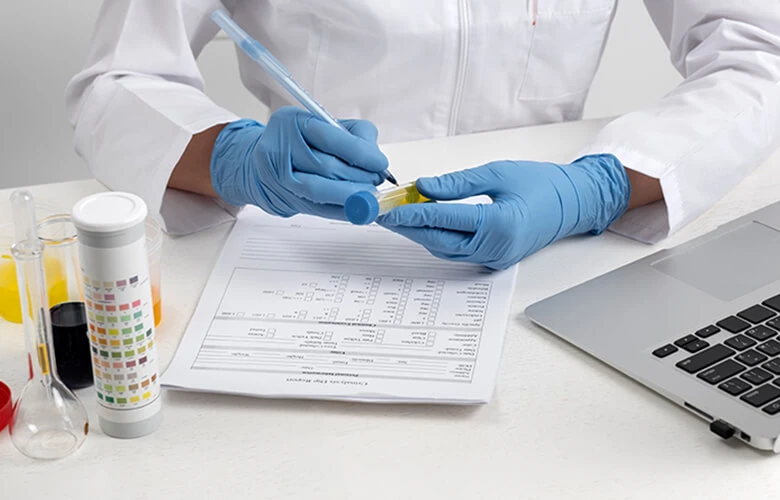

You’ve probably taken a medicine without thinking twice about it. Most of us have. We trust that someone, somewhere, made sure it was safe. That “someone” is often a trained professional who understands pharmacovigilance and drug safety training inside out. And honestly, that responsibility is bigger than it sounds.
Pharmacovigilance isn’t just a fancy industry word. It’s about protecting real people from real harm. Every adverse event report, every safety signal, and every case review can change lives. That’s why proper pharmacovigilance and drug safety training isn’t optional. It’s essential.
If you’re thinking about a career in clinical research or drug safety, this field can feel overwhelming at first. But once you understand the purpose behind it, everything clicks. It’s not paperwork. It’s patient protection.
What Is Pharmacovigilance and Drug Safety Training?
Let’s keep it simple. Pharmacovigilance is the science of detecting and preventing adverse effects of medicines. Drug safety focuses on monitoring, assessing, and reporting those effects correctly.
Pharmacovigilance and drug safety training teaches you how to do that work with accuracy and confidence.
You learn how to collect case reports. You understand how to review medical narratives. You study global safety guidelines like ICH and regulatory requirements from agencies like the FDA and EMA. It’s detailed work, yes. But it’s meaningful.
Here’s the thing. Anyone can read a safety report. Not everyone can analyze it properly.
Good training shows you how to think critically. It teaches you how to spot patterns. It prepares you for audits. It helps you understand timelines and reporting standards. And trust me, timelines matter a lot in this field.
Why This Training Matters More Than People Realize
Let’s say a patient reports a rare side effect. If that report is ignored or mishandled, others may face the same risk. But if it’s processed correctly, regulators can act quickly.
That’s the difference proper training makes.
Pharmacovigilance and drug safety training builds professionals who don’t miss details. And small details can change everything.
You’ve probably seen news stories about drugs being recalled. Behind those decisions are trained safety experts who recognized warning signs early. That doesn’t happen by accident. It happens because someone knew exactly what to look for.
And honestly, companies need skilled professionals now more than ever. The pharmaceutical industry is growing fast. Clinical trials are expanding globally. More data means more responsibility.
What You Actually Learn During Training
Some people think drug safety is just data entry. It’s not. The work is layered and technical.
A well-designed pharmacovigilance and drug safety training program covers:
- Case processing and ICSR management
- Medical coding using MedDRA
- Causality assessment
- Signal detection basics
- Aggregate reporting like PSUR and DSUR
- Regulatory compliance and documentation
You don’t just memorize terms. You apply them.
Case Processing: The Core Skill
Every adverse event report begins as a case. You review medical details, check seriousness criteria, code events properly, and submit within regulatory timelines.
Miss one field? It could delay submission. And delays can lead to compliance issues.
That’s why hands-on practice is so important. Reading theory won’t prepare you for real databases. Practical exposure does.
Understanding Global Guidelines
Drug safety is global. A report from India may need submission to Europe or the US.
Training helps you understand ICH guidelines and country-specific rules. It clears the confusion between serious and non-serious events. It teaches you when expedited reporting applies.
The rules may look complex at first. But once explained clearly, they start to make sense.
Career Opportunities After Pharmacovigilance and Drug Safety Training
Here’s the part many students care about. What happens after training?
The demand for drug safety professionals is steady. Roles include Drug Safety Associate, PV Officer, Case Processor, and Safety Data Analyst.
Fresh graduates from pharmacy, life sciences, and nursing often enter this field. Many switch from clinical research too.
The work environment is structured but dynamic. You deal with real cases daily. You interact with global teams. And you grow fast if you’re consistent.
The salary improves with experience. Promotions are performance-based. And yes, stability is strong compared to many industries.
But let’s be honest. This field rewards accuracy. If you rush or ignore details, it shows.
Why Choosing the Right Institute Matters
Not all training programs are equal. Some offer only slides and theory. Others provide real-time practice.
At Medipharm Solutions, the focus is practical learning. Students work on mock case studies. They understand real-world scenarios. They learn documentation the way companies expect it.
Here’s the funny thing. Recruiters can tell who had practical exposure. It shows during interviews.
When someone explains case processing confidently, hiring managers notice. When someone understands timelines without guessing, that stands out.
Pharmacovigilance and drug safety training should prepare you for the job, not just the certificate.
Skills That Make You Stand Out
Technical knowledge is one part. Soft skills matter too.
You need attention to detail. Strong written communication helps when drafting narratives. Time management is critical because reporting deadlines are strict.
Curiosity helps as well. Asking why a reaction occurred leads to better analysis.
And patience. Yes, patience is underrated here. Reviewing multiple cases daily requires focus.
The good news? These skills can be developed. Training builds the foundation. Experience sharpens it.
Is This Career Right for You?
Let’s be real. Pharmacovigilance is not glamorous. You won’t be in a lab mixing chemicals. You won’t be marketing new products.
But you will protect patients.
If you like structured work, medical terminology, and analysis, you may enjoy it. If you prefer unpredictable creative roles, maybe not.
The field suits those who value precision. Those who understand that safety comes first.
And if you’re unsure, that’s okay. Many professionals discovered this path by chance. They stayed because the work felt meaningful.
The Growing Importance of Drug Safety in India
India is becoming a major hub for clinical research and pharmacovigilance services. Global companies outsource safety operations here.
This creates opportunities for trained professionals.
Pharmacovigilance and drug safety training gives you an entry into this expanding sector. Companies prefer candidates who understand compliance from day one.
Honestly, competition exists. But skilled candidates still stand out.
Final Thoughts
Medicines save lives. But only when monitored properly.
Pharmacovigilance and drug safety training prepares you to be part of that safety system. It teaches you responsibility. It sharpens your thinking. It builds a stable career path.
If you’re considering this field, don’t rush into random programs. Choose training that gives practical exposure and real guidance.
At Medipharm Solutions, the goal isn’t just to teach theory. It’s to prepare professionals who can step into real-world drug safety roles with confidence.
Because at the end of the day, this isn’t about data. It’s about people.
And that’s worth doing right.


























Sign in to leave a comment.