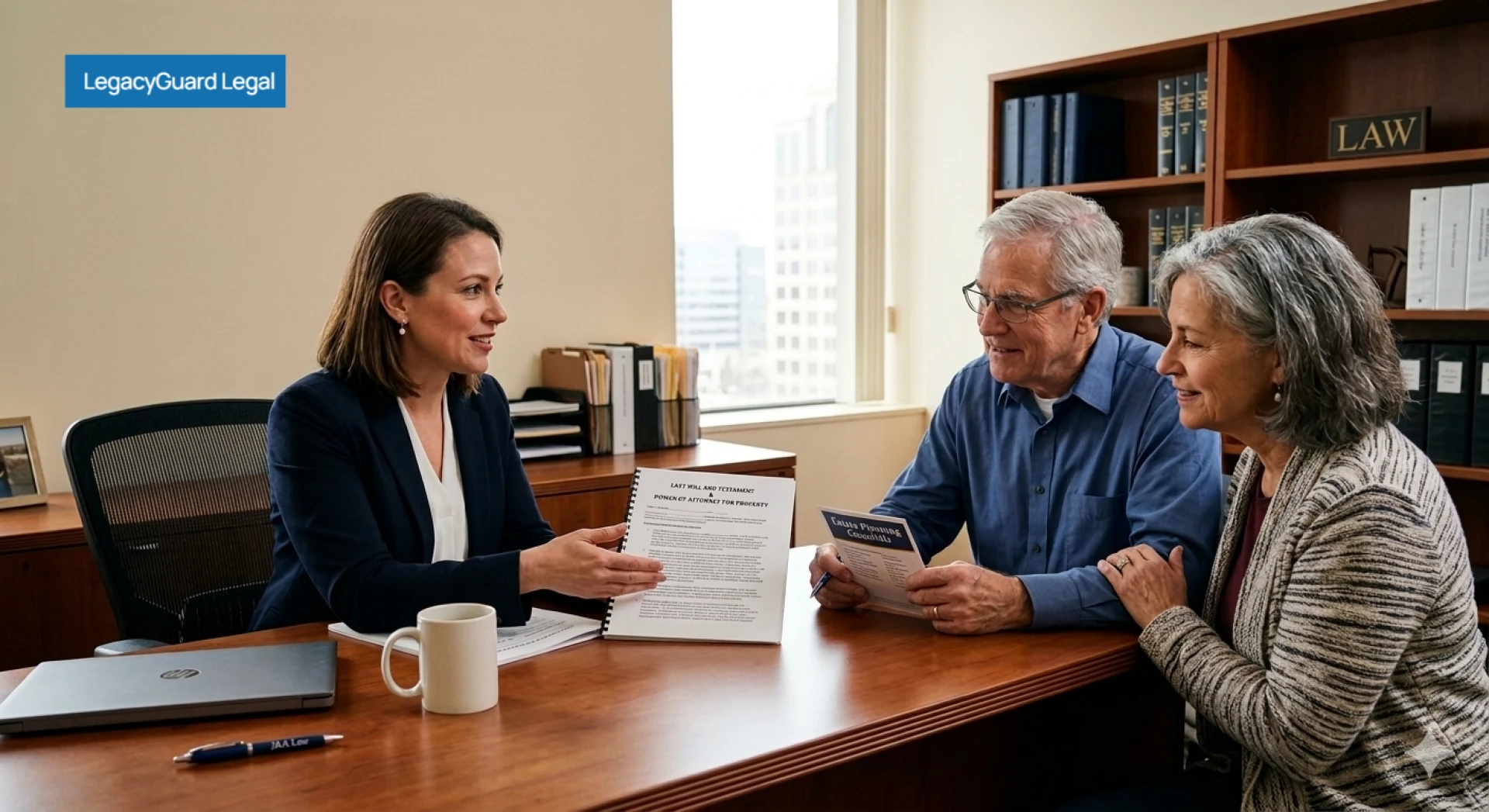

Planning ahead for medical decisions may not always be easy to think about, but it is one of the most responsible steps you can take for your future and your family. A state of Utah living will form allows you to clearly document your healthcare preferences in case you become unable to communicate them yourself.
A living will is an essential part of modern estate planning because it ensures that doctors and family members understand your wishes regarding life-sustaining treatments and end-of-life care. When this document is properly prepared, it removes uncertainty and helps loved ones avoid making difficult medical decisions without guidance.
Many estate planning professionals recommend creating a living will alongside other important legal documents such as powers of attorney and trusts. Doing so creates a comprehensive plan that protects both your health decisions and your financial legacy.
What Is a Living Will in Utah?
A living will, also known as an advance healthcare directive, is a legal document that explains what medical treatments you want—or do not want—if you become unable to speak for yourself.
The state of Utah living will form typically covers situations involving:
- Life-support treatments
- Artificial nutrition and hydration
- Ventilators or breathing machines
- Resuscitation decisions
- Long-term medical care
By completing this document, you ensure that medical professionals follow your instructions rather than leaving decisions entirely up to family members or courts.
Healthcare experts often emphasize that clear medical directives can significantly reduce stress for families during emotional moments. When your wishes are documented, your loved ones can focus on supporting each other instead of making uncertain medical choices.
Why a Living Will Is So Important
Many people believe that family members automatically make medical decisions for them, but the reality can be more complicated. Without a living will, disagreements or legal issues can arise when important healthcare decisions must be made quickly.
A living will provides several key benefits:
1. Protects Your Personal Wishes
It ensures your voice is heard even if you cannot communicate with doctors.
2. Reduces Family Stress
Loved ones will not have to guess what medical treatments you would want.
3. Prevents Legal Complications
Clear documentation helps avoid court involvement in healthcare decisions.
4. Provides Guidance to Doctors
Medical professionals can confidently follow documented instructions.
According to surveys from healthcare planning organizations, fewer than half of adults have completed advance directives. This statistic highlights how many families remain unprepared for unexpected medical situations.
How a Living Will Fits into Estate Planning
A living will is only one piece of a broader estate planning strategy. While many people associate estate planning with distributing assets after death, it also protects you during your lifetime.
A well-structured estate plan may include:
- A last will and testament
- Revocable living trusts
- Financial powers of attorney
- Healthcare directives or living wills
- Guardianship planning for children
Together, these documents ensure that both your medical wishes and financial matters are handled according to your preferences.
Estate planning professionals often encourage individuals to prepare these documents together so that all decisions are coordinated and legally sound.
The Role of an Estate Planning Attorney
Creating a legally valid living will can be more complex than simply filling out a template online. Each state has specific legal requirements, and small errors can sometimes cause documents to be challenged or rejected.
Working with an experienced estate planning attorney utah residents trust can help ensure your documents meet all legal standards. Attorneys can also guide you through decisions you may not have considered, such as:
- Choosing a healthcare decision-maker
- Clarifying life-support preferences
- Aligning healthcare directives with financial powers of attorney
- Ensuring documents remain valid as laws change
Legal professionals also help families review and update estate plans as life circumstances evolve, including marriage, children, property purchases, or retirement.
When Should You Create a Living Will?
Many people assume living wills are only necessary for older adults, but experts recommend preparing them much earlier.
You should consider completing a living will if you:
- Want control over future medical decisions
- Have specific healthcare preferences
- Are planning a comprehensive estate plan
- Want to reduce uncertainty for family members
Unexpected illnesses or accidents can occur at any age. Having a living will in place ensures your wishes are known no matter what happens.
Common Mistakes to Avoid
While living wills are incredibly valuable, certain mistakes can reduce their effectiveness.
Not Updating the Document
Major life events such as marriage, divorce, or changes in health preferences should trigger a review.
Using Generic Templates
Templates may not reflect Utah’s specific legal requirements.
Failing to Share the Document
A living will only works if family members and healthcare providers know it exists.
Not Integrating with Other Estate Documents
Healthcare directives should align with other legal plans to avoid confusion.
Working with legal professionals can help ensure every part of your plan works together smoothly.
Frequently Asked Questions
What does the state of Utah living will form include?
The form typically outlines your preferences for life-sustaining treatments, medical interventions, and healthcare decisions if you become unable to communicate with doctors or family members.
Is a living will the same as a medical power of attorney?
No. A living will states your medical treatment preferences, while a medical power of attorney appoints someone to make healthcare decisions on your behalf.
Do I need witnesses for a Utah living will?
Yes, living wills in Utah usually require proper signing and witnessing to ensure they are legally valid. Requirements may vary, so professional guidance can be helpful.
Can a living will be changed later?
Yes. You can update or revoke your living will at any time as long as you are mentally capable of making decisions.
Who should have a copy of my living will?
You should provide copies to your healthcare agent, close family members, your primary doctor, and anyone responsible for your medical decisions.
Final Thoughts
Preparing a state of Utah living will form is one of the most thoughtful steps you can take for your family. It ensures your healthcare preferences are clearly documented and helps loved ones avoid difficult decisions during emotional situations.
When combined with other estate planning tools, a living will provides a strong foundation for protecting your wishes, your health decisions, and your legacy.
For individuals and families seeking guidance through the estate planning process, LegacyGuard Legal offers a supportive and straightforward approach that helps clients create clear, legally sound plans with confidence and peace of mind.































Sign in to leave a comment.