
Most investors don't lose money from lack of ambition. They lose it because they're working with the wrong information at the wrong time. In 2026, the financial landscape is more interconnected — and more volatile — than ever. Equities are navigating AI-driven earnings cycles and elevated valuations. Gold saw a strong rally in early 2026 before pulling back. Bitcoin underperformed gold significantly in 2025 but continues attracting institutional interest. ETFs are absorbing strong capital flows. And yet, most investors are still trying to make sense of it all through social media feeds and fragmented news alerts.
The problem isn't lack of information. It's the absence of structure around it.
The Difference Between News and Intelligence
News tells you what happened. Intelligence tells you what it means for your portfolio.
When gold ETFs recorded significant outflows in March 2026 — one of the sharpest reversals in recent years — a news-driven investor might have panicked. An intelligence-driven investor understood the context: it was a cyclical pause driven by elevated positioning and profit-taking, not a breakdown in gold's structural demand thesis. Central bank buying continued. The long-term case was intact.
That distinction — between noise and signal — is the real skill market intelligence builds.
What's Actually Moving Each Asset Class Right Now
Understanding why each asset class moves the way it does is the foundation of staying meaningfully updated. Each one responds to a completely different set of drivers.
Stocks in 2026 are being shaped primarily by artificial intelligence. Tech hyperscalers are projected to spend hundreds of billions in capital expenditures this year. AI is shifting from build-out to adoption phase — meaning investor focus has moved from storytelling to actual return on investment. Broad equity indices are often projected to deliver high single-digit returns, but the path will be volatile. Earnings quality and competitive durability matter more than momentum.
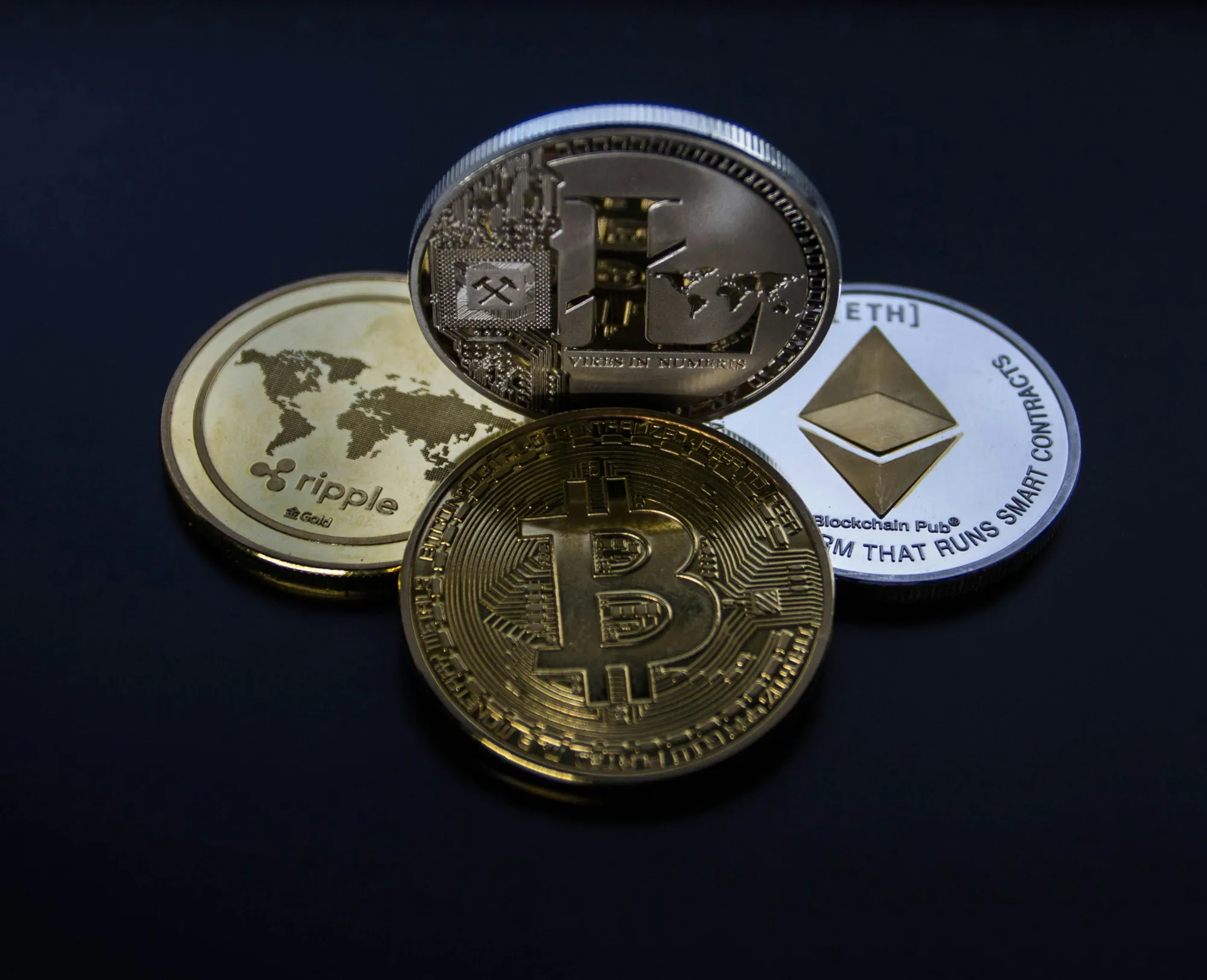
Crypto remains one of the most signal-dense — and noise-dense — spaces in investing. Bitcoin's underperformance in 2025 is largely explained by its sensitivity to financial conditions during cautious periods. As monetary conditions ease, crypto assets are expected to benefit disproportionately. On-chain activity, regulatory developments, and protocol-level changes separate genuine opportunities from hype. Early-stage projects and ICOs require even more diligence.
Metals are in a structurally different environment than five years ago. Gold rallied strongly in early 2026, driven by central bank accumulation, geopolitical tensions, dollar weakness, and ETF flows. Some institutions have raised their outlook on gold prices, reflecting continued macro uncertainty. Silver carries both industrial demand and speculative upside. For metals, key macro signals are Fed decisions, inflation prints, and central bank reserve data.
ETFs function as the intelligence aggregator of markets. Tracking inflows and outflows across sector ETFs reveals where institutional capital is moving. Gold-backed ETFs saw strong inflows in early 2026, reflecting renewed investor interest. ETF flow data reveals broader sentiment shifts across the entire market, making it useful well beyond ETF-focused investors.
Building a Structured Update Routine
The goal isn't to check everything every day. It's to check the right things at the right frequency.
A practical rhythm: spend five to ten minutes daily scanning for macro headlines significant enough to affect your positions. Spend twenty to thirty minutes weekly reviewing portfolio health and whether each position's thesis still holds. Spend time monthly on rebalancing.
This cadence keeps you informed without keeping you reactive.
The other critical skill is building a source hierarchy. Primary research — official data, earnings reports, platform-specific position updates — anchors your decisions. Curated analysis adds context. General news provides background. Most investors invert this order and let headlines drive decisions that should be grounded in research.
Why Staying Updated Actually Reduces Anxiety
There's a misconception that following markets closely creates more stress. The opposite is true — not knowing is what's stressful.
When you understand why gold is pulling back, you don't panic. When you've thought through what would need to change before exiting a crypto position, you don't make impulsive decisions when prices drop. A well-informed investor has already run the scenarios. Market moves become data points, not emergencies.
This is the real payoff of structured market intelligence: not just better decisions, but genuine confidence in the decisions you're making.
The Role of a Quality Research Platform
Keeping up with four asset classes — each with different drivers, data sources, and update cadences — becomes overwhelming alone. That's where a well-curated investment newsletter subscription adds genuine value: not as a replacement for your judgment, but as the infrastructure that makes staying informed manageable.
The best platforms show real positions with transparent history — wins and losses both. They cover multiple asset classes with depth. They give allocation context, not just asset picks. And they educate as they update, so your understanding compounds alongside your portfolio.
When evaluating options, look for platforms that treat you as an investor, not just a subscriber. Intelligence-first platforms explain why something matters for your portfolio; noise-first platforms just report what happened.
A quality investment newsletter subscription should leave you more capable of independent thought after six months — not more dependent on the next alert.
The Bottom Line
The market in 2026 rewards investors who are informed, structured, and calm — and punishes those who are reactive and overexposed to headlines.
Staying updated isn't about watching every tick. It's about building a reliable system for understanding what's happening across stocks, crypto, metals, and ETFs — and having the context to know what each development means.
Build your intelligence routine. Protect your thesis. Let the noise pass.
For investors looking to simplify this process, Fortunexa provides a structured approach to market insights across multiple asset classes — helping you stay informed, reduce noise, and make more confident investment decisions over time.
⚠️ DISCLAIMER
This article is for educational and informational purposes only. It does not constitute financial, tax, legal, or investment advice. Always consult qualified professionals before making financial decisions. Fortunexa's content represents educational research and personal experience only.





















Sign in to leave a comment.