

A steel base plate is one of the most essential structural components used in construction and industrial engineering. It acts as a connecting element between a structural column and its foundation, helping distribute heavy loads safely into the concrete base. From high-rise buildings to industrial machinery setups, steel base plates ensure stability, strength, and long-term durability.
In modern construction, where safety and load performance are critical, steel base plates play a key role in preventing structural failure and improving overall load transfer efficiency.
What is a Steel Base Plate?
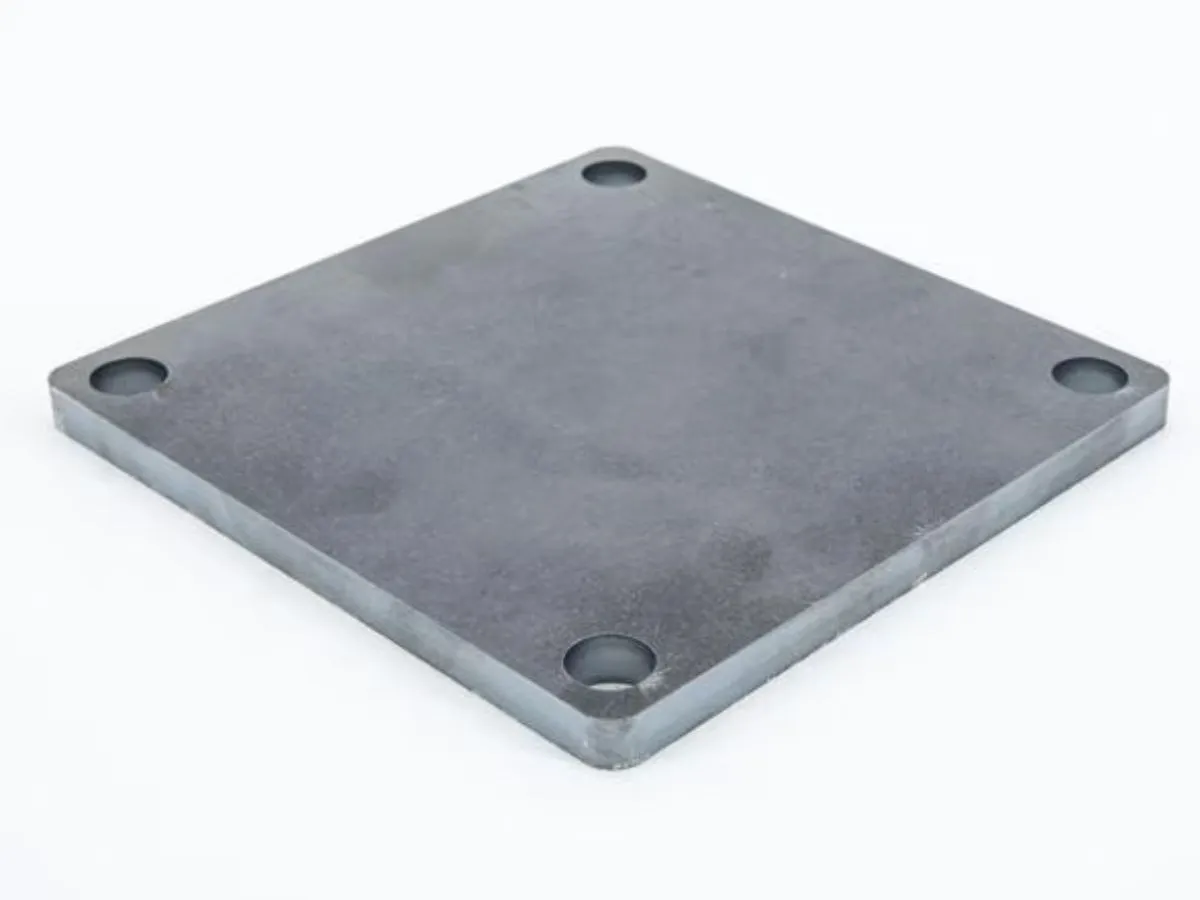
A steel base plate is a flat steel plate placed at the bottom of a column or structural member. It is usually welded or bolted to the column and anchored into concrete using anchor bolts.
Its main function is to:
- Distribute structural loads evenly
- Prevent direct stress on concrete
- Improve stability of columns
- Provide a secure foundation connection
These plates are commonly made from mild steel, carbon steel, or galvanized steel depending on the application and environmental conditions.
Key Functions of Steel Base Plates
1. Load Distribution
Steel base plates spread heavy loads from columns over a larger area of concrete, reducing pressure and preventing structural damage.
2. Structural Stability
They ensure that vertical loads such as weight, wind pressure, and vibration are transferred safely into the foundation.
3. Anchorage Support
Base plates work with anchor bolts to securely fix structural elements in place.
4. Alignment and Leveling
They help in maintaining proper alignment of columns during installation and construction.
Types of Steel Base Plates
1. Plain Steel Base Plates
These are flat plates used for light to medium load structures where basic support is required.
2. Gusseted Base Plates
These include additional stiffeners or gussets for heavy-duty applications and high-load structures.
3. Ribbed Base Plates
Designed with ribs for extra strength and resistance against bending or deformation.
4. Galvanized Steel Base Plates
Coated with zinc for corrosion resistance, ideal for outdoor and marine environments.
5. Custom Fabricated Base Plates
Manufactured according to project requirements for specialized industrial applications.
Design Considerations of Steel Base Plates
Proper design is crucial for performance and safety. Engineers consider several factors:
1. Load Requirements
The plate must handle axial loads, bending moments, and shear forces.
2. Plate Thickness
Thicker plates are used for heavy-duty industrial structures.
3. Material Strength
High-grade steel ensures durability and load resistance.
4. Anchor Bolt Placement
Correct spacing ensures secure fixing and load transfer.
5. Environmental Conditions
Corrosion-resistant coatings are required for outdoor or harsh environments.
Advantages of Steel Base Plates
1. High Strength
Steel base plates provide excellent load-bearing capacity for heavy structures.
2. Long-Term Durability
They are resistant to wear, deformation, and structural fatigue.
3. Improved Safety
By distributing loads properly, they reduce the risk of foundation failure.
4. Versatile Applications
Suitable for industrial, commercial, and infrastructure projects.
5. Cost-Effective Solution
They reduce maintenance costs by enhancing structural stability.
Industrial Usage of Steel Base Plates
Steel base plates are widely used across multiple industries:
Construction Industry
Used in building columns, beams, and structural frameworks.
Manufacturing Plants
Support heavy machinery and equipment installations.
Warehouses
Provide stable support for storage racks and mezzanine floors.
Infrastructure Projects
Used in bridges, towers, and public utility structures.
Energy Sector
Applied in power plants, wind turbines, and heavy equipment foundations.
Installation Process Overview
The installation of steel base plates involves several steps:
- Site preparation and foundation leveling
- Positioning anchor bolts in concrete
- Placing the steel base plate over bolts
- Aligning the structural column
- Tightening bolts and securing the connection
- Final inspection and load testing
Proper installation ensures maximum safety and performance.
Maintenance Tips
- Inspect base plates regularly for corrosion
- Ensure anchor bolts remain tight and secure
- Apply anti-rust coating in harsh environments
- Check for structural movement or misalignment
- Clean dirt and moisture accumulation
Conclusion
Steel base plates are fundamental components in modern structural engineering. Their ability to distribute heavy loads, ensure stability, and enhance safety makes them indispensable in construction and industrial projects. Whether used in buildings, factories, or infrastructure systems, they provide a reliable foundation for long-lasting performance.
For quality steel fabrication solutions and durable structural components, Ezy Steel delivers reliable products designed for strength and industrial performance.
FAQs – Steel Base Plate & Ezy Steel
1. What is the main purpose of a steel base plate?
A steel base plate distributes structural loads from columns into the foundation, ensuring stability and safety in construction projects.
2. Where are steel base plates commonly used?
They are widely used in buildings, bridges, factories, warehouses, and heavy industrial structures.
3. What materials are used in steel base plates?
Common materials include mild steel, carbon steel, and galvanized steel depending on application needs.
4. Why are steel base plates important in construction?
They prevent direct stress on concrete foundations and improve structural load distribution and stability.
5. Does Ezy Steel provide custom steel base plates?
Yes, Ezy Steel offers custom-fabricated steel base plates designed according to project requirements and industrial standards.
6. How long do steel base plates last?
With proper installation and maintenance, they can last for decades even under heavy industrial use.
7. Are steel base plates suitable for outdoor use?
Yes, especially galvanized steel base plates which are corrosion-resistant and ideal for outdoor environments.
8. How does Ezy Steel ensure product quality?
Ezy Steel focuses on high-grade materials, precision fabrication, and strict quality control for reliable performance.




























Sign in to leave a comment.