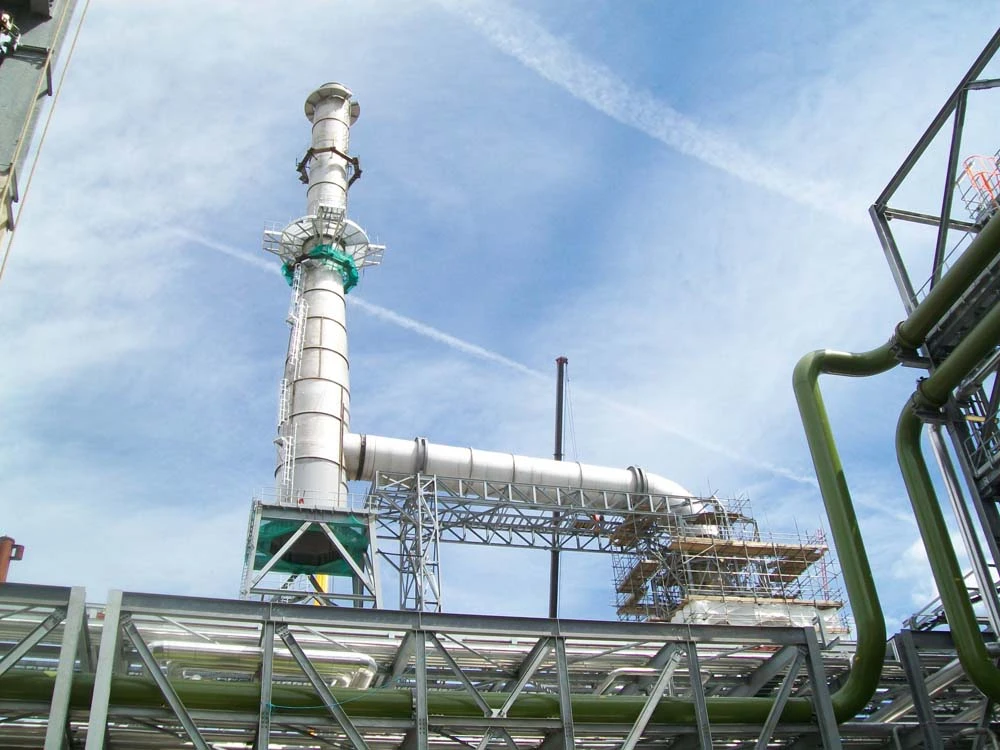

Steelwork fabricators play a critical role in shaping the modern built environment. From towering skyscrapers and industrial plants to bridges and transport infrastructure, steel forms the structural backbone of countless projects. Behind every precisely engineered steel frame is a fabricator responsible for transforming raw materials into safe, reliable, and high-performance structural components. Without steelwork fabricators, modern structural engineering as we know it would not be possible.
The Role of Steelwork Fabricators in Structural Engineering
Steelwork fabricators act as the vital link between structural design and on-site construction. Engineers may create complex calculations and detailed drawings, but it is the fabricator who turns these concepts into physical reality. Their work involves cutting, shaping, welding, and assembling steel components to exact specifications, ensuring that each element meets structural, dimensional, and safety requirements. This precision is essential, as even minor inaccuracies can affect load distribution, stability, and long-term performance.
Precision and Engineering Expertise in Fabrication
Modern structural engineering demands extremely high levels of accuracy, and steelwork fabricators are required to operate within tight tolerances. Advanced fabrication facilities use computer-aided design and manufacturing technologies to ensure consistency and precision throughout the production process. Fabricators must also possess a strong understanding of engineering principles, including load paths, stress distribution, and material behavior, to ensure that fabricated components perform as intended once installed.
Structural Steelwork and Load-Bearing Integrity
One of the most important contributions of steelwork fabricators is ensuring the load-bearing integrity of structures. Structural steel components such as beams, columns, trusses, and frames must be fabricated to withstand dynamic loads, environmental forces, and long-term wear. Fabricators work closely with engineers to ensure that connections, welds, and joints maintain structural continuity and strength. This collaboration is essential in delivering buildings and infrastructure that are both resilient and durable.
Fabrication Processes and Quality Control
The fabrication process involves multiple stages, each requiring careful oversight. Steel is cut and formed using advanced machinery, followed by welding and assembly carried out by skilled tradespeople. Throughout these stages, rigorous quality control measures are applied to verify dimensions, weld integrity, and material properties. Non-destructive testing methods are often used to identify internal flaws, ensuring that only compliant components reach the construction site. Quality assurance is not optional; it is fundamental to public safety and structural reliability.
Safety and Regulatory Compliance
Steelwork fabricators operate within a highly regulated environment. Compliance with national and international standards is essential to ensure safety during fabrication, transportation, and installation. Fabricators must adhere to strict health and safety protocols to protect workers, while also ensuring that finished products meet structural codes and project specifications. This dual responsibility highlights the importance of experienced, certified fabricators in delivering compliant and safe engineering solutions.
Innovation and Digital Transformation
The steel fabrication industry has evolved significantly with the adoption of digital technologies. Building Information Modelling (BIM), automated cutting systems, and robotic welding have improved accuracy, efficiency, and coordination across projects. These innovations allow steelwork fabricators to handle increasingly complex designs while reducing waste and project timelines. As structural engineering continues to advance, fabricators remain at the forefront of technological integration within construction.
Sustainability and the Future of Steelwork Fabrication
Sustainability has become a key focus in modern structural engineering, and steelwork fabricators play an important role in supporting environmentally responsible construction. Steel is one of the most recyclable materials available, and fabricators increasingly implement efficient production methods to reduce emissions and material waste. By embracing sustainable practices and low-carbon steel solutions, fabricators contribute to greener, more responsible infrastructure development.
Conclusion
Steelwork fabricators are truly the backbone of modern structural engineering. Their expertise, precision, and commitment to quality ensure that ambitious architectural and engineering designs can be safely realized. As construction projects grow more complex and sustainability becomes increasingly important, the role of steelwork fabricators will continue to expand. Their contribution remains fundamental to building the strong, safe, and innovative structures that define modern society.

Sign in to leave a comment.