
A length of carpet that is not longer than the step is called a stair runner. Usually, wooden or tiled staircases are covered by it. In addition to being offered in a variety of widths, runners are available in almost every color and design. There are also hallway runners that can help protect the floors, add a decorative element to a space, or some extra grip to a walkway
Why Add a Stair Runner?
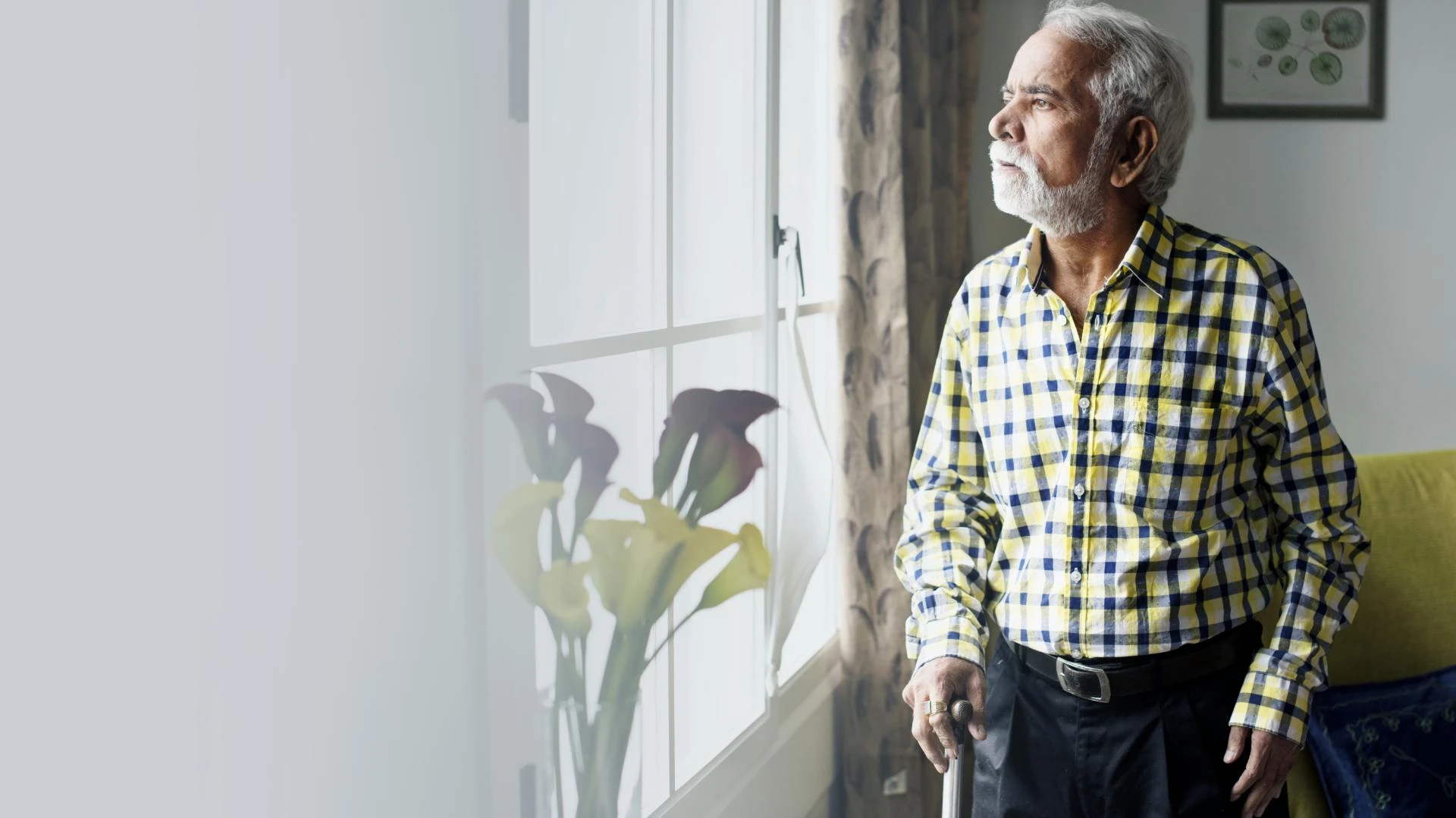
A staircase can benefit from having a runner for several reasons. Safety is among the most prevalent and possibly most obvious reasons. Stairs made of wood or tile can be quite slick, which can be dangerous, particularly if there are young children, pets, or elderly or disabled family members living there.
In addition to offering a secure area to walk on the steps and the added comfort of plush carpet underfoot, adding a runner lessens the risk. Additionally, adding a runner will make journeys up and down the stairs much quieter as carpet absorbs sounds far more than hard surfaces can.
Buying Considerations for Stair Runners
Width Of StairsHow broad should the stair runner be is a common question when thinking about a staircase. The breadth of your steps will determine the answer to this. We would recommend a 27-inch runner width for stairs that are roughly three feet wide. This breadth is about right not too big to overwhelm the steps, but wide enough to provide adequate covering so you never feel like you're walking on a tiny strip.
Type Of CarpetThere will undoubtedly be a lot of foot traffic for a stair runner. The ideal rug weaves for stair runners are flatwoven or low-pile carpets. Low-pile and flatwoven rugs are the best options because they are easier to install and do not have crushable piles. For stair runners, steer clear of thick piles or shag carpeting since heels or other objects may get tangled in the fibers and present a trip risk. For durability, choose weaves made of wool, wool blends, and natural, or synthetic fibers.
It is frequently less expensive to have a runner created specifically for you out of broadloom than it is to buy one already manufactured. You could even be able to buy a remnant of carpet at a reduced price and have it custom-sized because covering a staircase doesn't require a substantial piece of carpet. Once the runner is precisely cut to size, the edges can be bound or serged to complete the sides.
PatternBeautifully patterned runners are available in an endless array of hues and patterns. However, you will need to confirm if the pattern is suitable for stairs. Here are some things to think about:
Geometric Patterns: Certain geometric designs, like squares and diamonds, are more effective when applied to long, flat surfaces like a hallway runner. When these designs are folded and bent over the stairs, they don't necessarily function as well. This is much more of an issue if your staircase is twisting or curved.Non-Geometric Designs: Abstract patterns or the floral patterns typically seen in Oriental rugs make excellent pattern choices for staircases. Because these designs don't need to match precisely as geometrics do, they have a polished appearance that is appealing.Scale: A stair runner works well with smaller-scale patterns. Large patterns, particularly around the bends, will appear haphazard and disjointed.FeaturesAn optional decorative add-on for stair runners is rods. Where the riser and tread meet at the back of the stair is where a metal rod is put. The runner is not genuinely being held in place by the rod. The installer installs the runner using tackles, staples, or any other method they think fit. Decorative finials are typically attached to the ends of rods to enhance their overall appearance.
Despite being a little strip of carpet, the stair runner still needs an underpad or cushion. The ideal cushion to place beneath a runner should be extremely thin to prevent the runner from rising too much. To sufficiently support the runner and prevent the carpet from flexing excessively when walking on, it should also be dense.
InstallationDue to their numerous surfaces that vary in height and width, as well as their curves, angles, and landings, stairs are difficult to measure accurately. Hiring a professional carpet installation business is the ideal option if you want the proper fit and installation, especially if your staircase is bespoke and doesn't fit into the typical size range.

























Sign in to leave a comment.