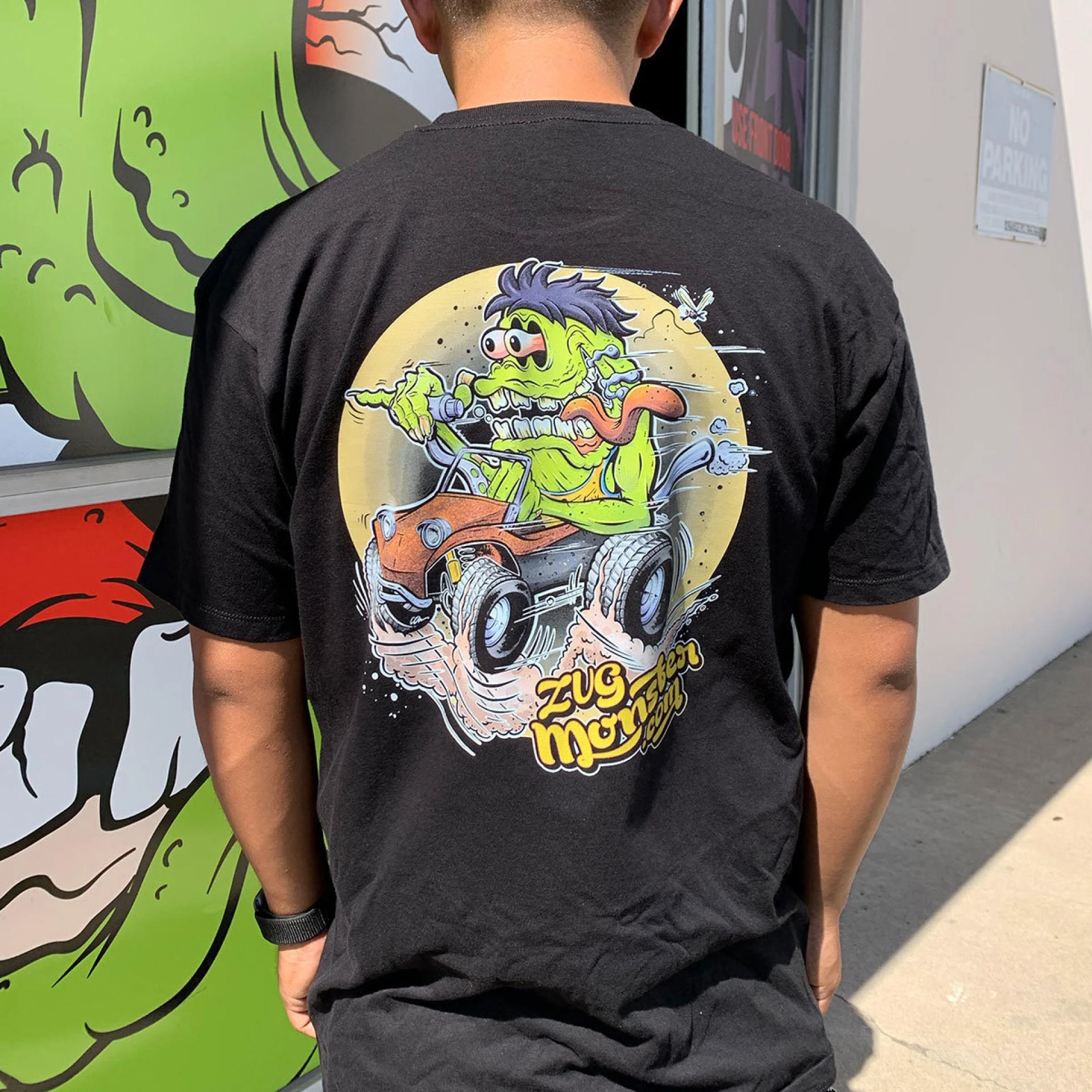

Have you ever had a T-shirt idea that felt solid in your head but confusing on screen?
Most beginners struggle to turn a concept into something wearable without wasting money or time. This post breaks the process down clearly.
You’ll learn how to plan, design, prepare, and order a custom print tee that actually looks the way you imagined. No jargon. No guesswork. Just a practical path from idea to finished shirt you’ll be proud to wear or sell.
From Concept to Cotton: How the Process Really Works
A printed tee doesn’t start at a machine. It starts with intent. Why you’re creating it shapes every decision that follows. Once that’s clear, design choices get easier, printing errors drop, and results improve.
Let’s walk through each stage with clarity, so you avoid common beginner mistakes and make confident calls from day one.
Start With Purpose, Not Design Software
Most beginners open design software too early. That’s where things go sideways. Instead, start by answering a few simple questions.
- Who will wear this tee?
- Where will they wear it?
- What emotion should it trigger?
A shirt for a brand launch needs clarity and restraint. A shirt for a music event needs energy and contrast. This context guides font weight, graphic size, and placement. Without it, designs feel random.
Sketch your idea on paper first. Yes, paper still works. It forces focus. It also helps you think about balance and spacing before pixels complicate things. Once the idea feels clear, move digital. This step alone saves hours.
Design Smart: What Prints Well Doesn’t Always Look Cool on Screen
Designing for fabric isn’t the same as designing for Instagram. Colors shift. Fine lines disappear. Overloaded layouts feel heavy on cotton.
Keep contrast high. Use fewer colors. Choose fonts that stay readable from six feet away. Also, respect print boundaries. Chest prints work best within a standard width. Oversized graphics sound bold but often fold awkwardly.
If you plan a custom print tee for resale, simplicity matters even more. Buyers want wearability, not visual noise. Clean designs sell longer and appeal wider.
Before exporting, zoom out. If the design works small, it will work large. That’s a rule worth remembering.
Choosing the Right Tee Blank Makes or Breaks the Result
Printing quality depends heavily on the shirt itself. Fabric weight, weave, and color all affect the final output.
Here’s a quick comparison to help you choose:
| Tee Type | Best For | Feel | Print Result |
| 100% Cotton | Everyday wear | Soft, breathable | Sharp colors |
| Cotton-Poly Blend | Active use | Lightweight | Slightly muted |
| Tri-Blend | Fashion tees | Ultra soft | Vintage look |
Heavier shirts hold prints better. Lighter shirts feel better in the heat. Dark shirts require underbase layers, which impacts cost and texture.
If you’re ordering your first custom print tee, stick to mid-weight cotton. It’s forgiving and reliable.
Pick the Right Printing Method for Your Goal
Not all printing methods suit beginners. Some shine for bulk. Others work best for small runs.
Direct-to-garment works well for detailed designs and low quantities. Screen printing wins for large orders with fewer colors. DTF transfers sit in the middle and offer flexibility.
Think about volume, budget, and turnaround time. Also consider wash durability. A tee that fades fast hurts brand trust.
Many first-timers choose a method based on price alone. That’s risky. Match the method to your design complexity and usage instead.
Prepare Your Files Like a Pro (Even If You’re Not One)
File prep sounds technical, but it doesn’t need to be intimidating. Printers want clean, high-resolution files. That’s it.
- Export in the format your printer requests. Usually PNG or PDF. Keep resolution at 300 DPI. Use transparent backgrounds when needed.
- Avoid screenshots. Avoid compressed images. These ruin print clarity fast.
- Also, double-check sizing in inches, not pixels. What looks fine on screen might print too small or too large.
This step separates frustration from satisfaction. Take five extra minutes here. It pays off.
Ordering and Proofing: Where Beginners Often Rush
- Once you upload your design, slow down. Proofs exist for a reason.
- Check alignment. Check spelling. Check color notes. What you approve is what prints.
- Ask questions if something feels off. Good printers expect this. Rushing approvals leads to regret.
- If you’re working with a platform, you’ll notice clear proofing steps and human support. That makes the first order far less stressful.
- Remember, confidence grows through careful review, not speed.
FAQs
What size should my design be for printing?
Most chest designs work best between 10 and 12 inches wide. The exact size depends on shirt size and placement. Always preview on a mockup before finalizing.
How many colors should a beginner use?
Start with two to three colors. Fewer colors print more consistently and cost less. You can always expand later.
Can I wash printed tees normally?
Yes, but turn them inside out. Use cold water and avoid high-heat drying. This preserves print quality longer.
Is a custom print tee good for small businesses?
Absolutely. It builds brand visibility and creates merch opportunities. Start small and test demand before scaling.
Do I need professional design software?
Not always. Beginner-friendly tools work fine if you export correctly. Focus more on clarity than fancy effects.
How long does printing usually take?
Production times vary by method and quantity. Many printers ship within a few business days after approval.
Wrapping It Up
Creating your first printed tee doesn’t need to feel overwhelming. When you start with purpose, design with restraint, and choose the right materials, results follow naturally. This guide gives you a repeatable process you can trust.
Whether you’re creating merch, gifts, or brand apparel, a well-made custom print tee always stands out. Your idea deserves to be worn, not forgotten.
























Sign in to leave a comment.