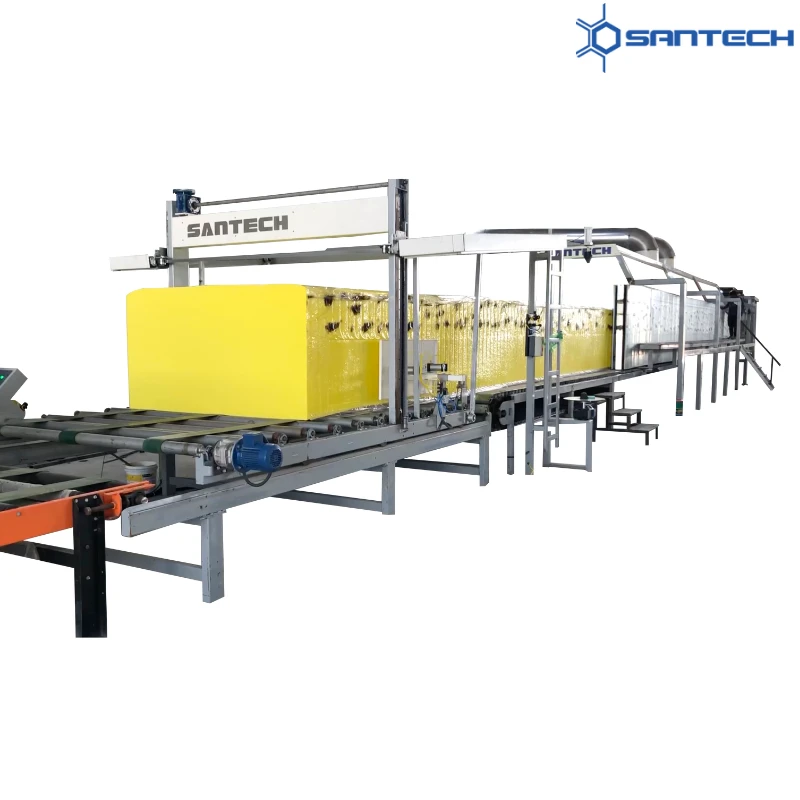

Foaming machines, including those manufactured by industry leaders, are crucial in various applications, from construction to manufacturing. These machines are instrumental in producing foam materials used in insulation, packaging, and more. It is essential to understand and implement proper maintenance as well as troubleshooting procedures to ensure the consistent performance of your foaming machine. How can you maintain your PU foaming machines for excellent performance? First, always read the manual to know the right operating techniques and inform your workers of the process.
In this complete guide, you will look into each process step, providing valuable insights and tips for keeping your foaming machine in shape. But before you dive in, take a look at why maintenance of your machines is important.
Importance Of Foaming Machine Maintenance
The objective of equipment maintenance in the industrial sector is obvious: to minimise costly breakdowns and make sure that your foaming machine operates as efficiently as possible. However, some of the production community continues to view maintenance as an unnecessary waste of time throughout production. In a production facility, there are rarely enough hours in the day to complete the work. If the parts exist, the only choice is to produce them as quickly as possible to fill client requests.
By making sure the equipment is maintained properly, the facility is protected against the element of surprise brought on by machine failure. Regular equipment upkeep and timely repair of worn-out machine components lengthen equipment life and lower the possibility of rework or scrapped items due to manufacturing materials that don't conform to standards.
Now, you will look at maintaining your machine for maximum efficiency.
Tips To Maintain Foaming Machines
Maintaining your machine from time to time is crucial for its good working. Let us explore some tips:
Regular Cleaning And Inspection
Exterior Cleaning
Cleaning the exterior of your foaming machine is the first step in proper maintenance. This process involves more than just a cursory wipe-down:
Use a mild detergent and a soft cloth to clean the exterior surfaces, including control panels and buttons. Avoid abrasive materials that may scratch the machine's finish.Inspect the exterior for signs of wear and tear, such as loose screws, damaged labels, or cracked panels. Handle these issues quickly to control further damage.Internal Cleaning
The internal components of your foaming machine require regular cleaning to prevent dust and debris buildup:
Turn off and unplug the machine before accessing the interior. Safety should always be your highest preference.Open access panels carefully and use compressed air or a soft brush to remove dust and debris from internal components. Pay special attention to fans, heat exchangers, and other sensitive areas.If your machine has a cooling system, clean it thoroughly to ensure efficient heat dissipation.Lubrication For Smooth Operation
Proper lubrication is crucial for the longevity and performance of your foaming machine:
Identify Lubrication Points
Consult your machine's manual or foaming machine manufacturer to identify the specific lubrication points. These may include bearings, gears, and other moving parts.Ensure you are using the recommended lubricants specified in the manual. The wrong type of lubricant can lead to performance issues and premature wear.Lubrication Frequency
Follow the manufacturer's recommendations for lubrication intervals. Over-lubrication can be as detrimental as under-lubrication, so adhere to the guidelines closely.Chemical Mixing Ratios For Quality Foam
Achieving the correct chemical mixing ratios is fundamental for consistent foam quality:
Chemical Inspection
Regularly inspect the chemicals used in the foaming process. Check their expiration dates and storage conditions. Outdated or improperly stored chemicals can lead to foam quality issues.Calibration and Quality Control
Calibrate the mixing equipment as specified in the manual. This typically involves measuring and adjusting the flow rates of chemical components to achieve the desired foam density.Implement a quality control process to verify foam quality regularly. Testing foam samples for density, texture, and other relevant properties can help you maintain consistent results.Hoses And Fittings Inspection
Hoses and fittings play a critical role in the foaming process and require regular inspection:
Visual Inspection
Examine hoses and fittings for visible wear, including cracks, tears, or other damage. Pay special attention to hose connections to ensure they are secure and leak-free.Replacement of Damaged Parts
If you find damaged hoses or fittings, replace them promptly. Using damaged components can lead to leaks and foam production problems.Monitoring Temperature and Pressure
Maintaining the right temperature and pressure is vital for consistent foam production:
Temperature Control
Keep the temperature of chemical components within the recommended range. Utilise temperature sensors and control settings to achieve this.Pressure Monitoring and Automation
Install pressure gauges to monitor the pressure within the foaming machine. Ensure that pressure levels remain constant during operation.Consider setting up alarms or automation systems to alert you to any temperature or pressure deviations outside the desired range. This proactive approach can prevent issues before they affect foam quality.Troubleshooting Common Issues
Even with regular maintenance, issues can arise. Here are some common foaming machine problems and detailed troubleshooting steps:
Inconsistent Foam Quality
Check the mixing ratios, chemical temperatures, and pressure. Adjust them as needed to maintain consistent foam quality.Machine Overheating
Ensure proper ventilation and cooling. Clean the cooling system regularly and replace any damaged components to prevent overheating.Leaking Foam
Examine hoses and fittings for leaks. Tighten or replace them as necessary to prevent foam leakage.
Machine Would Not Start
Check power sources and connections. Inspect for blown fuses or tripped breakers, and address these issues to get the machine running again.Foam Expansion Problems
Verify that the foam gun and nozzles are clean and in good condition. Adjust pressure and temperature settings as required to achieve the desired foam expansion.Conclusion
Maintaining and troubleshooting your foaming machine is essential to ensure its optimal performance and longevity. This comprehensive guide has provided a detailed roadmap for each process step, from regular cleaning and lubrication to monitoring key parameters and troubleshooting common issues. Always refer to your machine's specific manual for detailed instructions and safety guidelines, or consult your foaming machine manufacturer and prioritise safety when working with foaming machines. By following these guidelines, you will keep your foaming machine running smoothly and produce high-quality foam products for years.










Sign in to leave a comment.