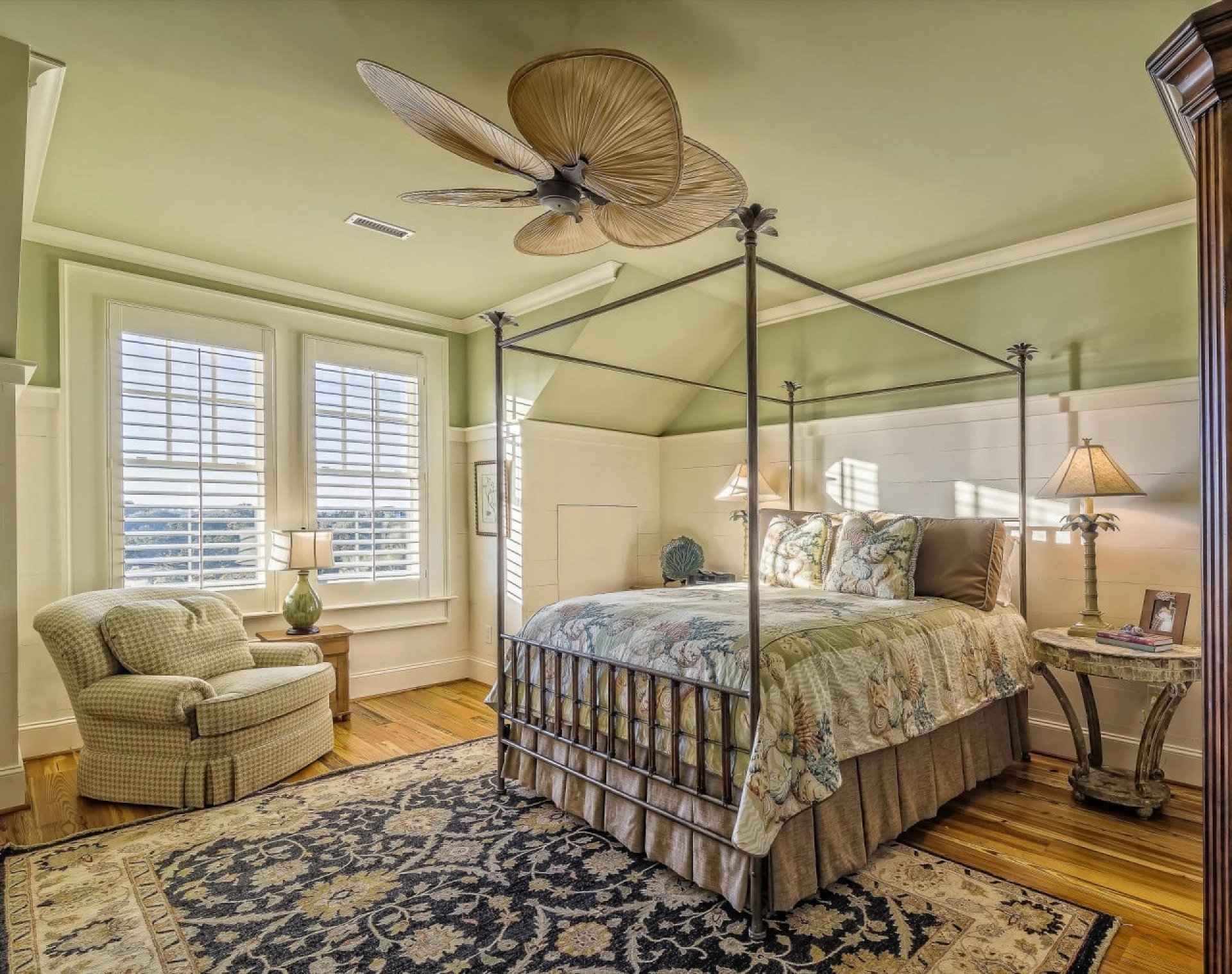

Building your shutters can be a rewarding and cost-effective project that adds charm and functionality to your home. In this step-by-step guide, we will walk you through the process of constructing DIY shutters, providing you with the knowledge and confidence to create custom shutters that suit your style and window dimensions.
Before diving into your DIY shutter project, it's crucial to gather all the necessary materials and tools. Having everything prepared will ensure a smooth construction process and a successful outcome.
Materials:
Shutter Materials: Decide on the type of material you want to use for your shutters. Common options include wood, PVC (polyvinyl chloride), or metal. Each material has its characteristics and benefits. Wood provides a classic and natural look, while PVC is low-maintenance and resistant to moisture. Metal shutters offer durability and a modern aesthetic. Choose the material that best suits your preferences and needs.Shutter Components: Depending on your design, you'll need materials for the shutter frame, louvres or panels, and any decorative elements. For the frame, you'll require vertical and horizontal rails. Louvres can be made from slats or custom-cut pieces, while panels can be solid or designed with decorative cutouts or inserts. Determine the dimensions and quantity of materials based on your window measurements.Hardware: Consider the hardware needed to assemble and install the shutters. This includes hinges, screws, and any additional accessories required for mounting and operation. Choose hinges that are durable and suitable for your chosen material, ensuring they can handle the weight of the shutters. Take note of the specific measurements or specifications for the hardware to ensure compatibility with your shutter design.Finishing Supplies: To give your shutters a polished appearance and protect them from the elements, gather the necessary finishing supplies. This may include paint, stain, varnish, or sealant, depending on the material and desired finish. Select high-quality products that offer durability and long-lasting protection.Planning and Measurement
Before you begin construction, careful planning and accurate measurements are essential to ensure a proper fit and a professional-looking result. Follow these steps to effectively plan and measure for your project:
Assess Window Dimensions: Start by examining the windows where you intend to install the shutters. Measure the width, height, and depth of each window frame. Take note of any irregularities or obstacles that may affect the shutter installation, such as window handles, moulding, or nearby walls.Determine Shutter Size: Based on your window measurements and personal preference, determine the size of your shutters. Consider factors such as the desired width and height of the shutters, as well as the number of panels or slats you want to incorporate. Keep in mind that shutters should be proportional to the window size to maintain a balanced appearance.Cutting and Preparing the Materials
Once you have completed the planning and measurement phase for it, it's time to move on to cutting and preparing the materials. This step is crucial to ensure precise and accurate pieces for constructing your shutters. Follow these guidelines to achieve clean and well-prepared components:
Prepare the Workspace: Set up a clean and spacious workspace that allows you to safely handle the materials and use your cutting tools effectively. Clear any clutter and ensure you have ample room to manoeuvre the materials during the cutting process.Safety First: Prioritise safety by wearing appropriate protective gear. Put on safety goggles to protect your eyes from sawdust or flying debris. Consider using a dust mask if you are working with materials that generate fine particles. Ensure that your cutting tools are sharp and in good working condition.Cut the Shutter Frame Components: Using the measurements you obtained during the planning phase, proceed to cut the shutter frame components. If you are working with wood or similar materials, a mitre saw or circular saw is typically the most efficient tool for this task. Ensure that the cutting surface is stable and secure, and follow the marked lines precisely to achieve accurate cuts. Take your time and maintain a steady hand to prevent splintering or mistakes.Assembling the Shutter Frame
Once you have cut and prepared the materials for it, the next step is to assemble the shutter frame. This involves joining the vertical and horizontal components together to create a sturdy and well-aligned structure. Follow these steps to ensure a successful assembly:
Gather the Frame Components: Collect all the shutter frame components you have cut, including the vertical rails (stiles) and horizontal rails (top and bottom rails or mid-rails if applicable). Double-check that they are cut to the correct dimensions and free from any rough edges or splinters.Lay Out the Components: Lay the frame components on a flat and stable surface, arranging them in the correct position for assembly. This will help you visualise the final product and ensure that everything is in order before joining the pieces together.Adding Louvers or Panels
Depending on your preferred design, you can incorporate either adjustable louvres or solid panels. Install the louvres and adjust their angle for optimal light control. Alternatively, attach the panels or insert decorative elements for a unique touch.
Finishing Touches
Before mounting the shutters, attend to any gaps, holes, or imperfections in the frame. Fill them using suitable wood filler, and once dry, sand the entire surface to achieve a smooth finish. Apply paint, stain, or protective coatings that complement your home's decor.
Mounting and Installation
Consider whether your shutters will be installed on the interior or exterior of your windows. Select appropriate hinges and hardware for easy operation. Securely attach the hinges to the window frame and hang the shutters, ensuring they align properly and open and close smoothly.
Maintenance and Care
To ensure the longevity of your DIY shutters, adopt a regular maintenance routine. Clean them periodically using mild soap and water, and inspect for any signs of damage or wear. Address repairs promptly to keep your shutters in excellent condition.
Conclusion
By following this step-by-step guide, you can embark on a rewarding DIY project to build your shutters. From planning and measurement to assembly and installation, each step contributes to creating beautiful and functional shutters that enhance your home's aesthetics. With a bit of patience and attention to detail, you'll be able to enjoy the satisfaction of custom-made shutters that reflect your style and craftsmanship. Get started today and transform your windows with DIY shutters that leave a lasting impression.
























Sign in to leave a comment.