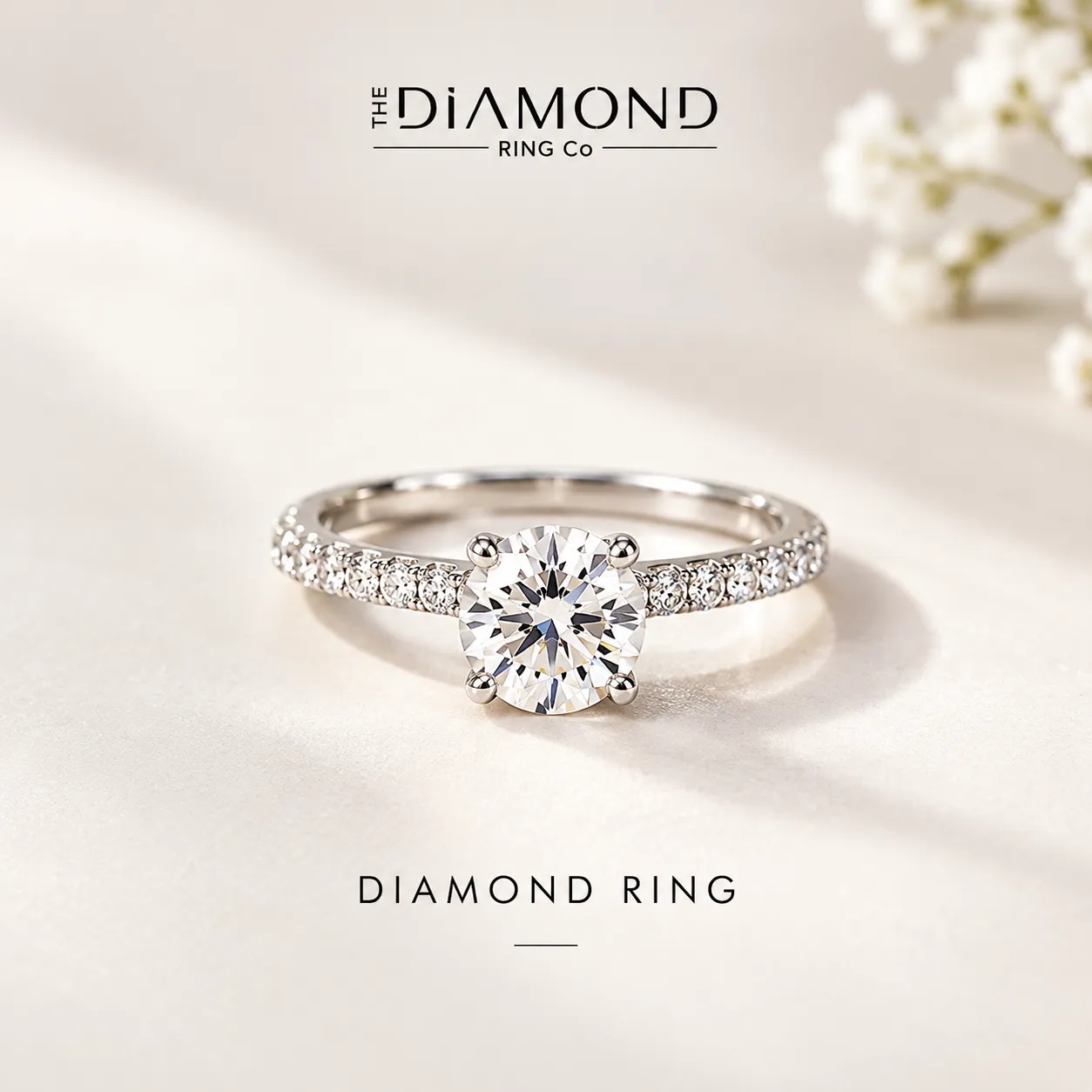

The perfect wedding ring should complement your style without getting in the way of everyday life. You might love a wide band with a polished finish or prefer delicate diamonds that catch the light whenever you move your hand. Either way, comfort deserves as much attention as appearance. The right fit, metal, and setting can make a significant difference when you wear your ring from morning until night.
Shopping becomes easier when you know which details to check. From measuring your finger correctly to comparing ring profiles and maintenance needs, these steps will help you choose a ring that feels right for the long term.
Step 1: Measure Your Finger Before Choosing a Design
Start with an accurate ring measurement. Your fingers can change size throughout the day because of temperature, activity, and natural swelling. Measuring when your hands are at a normal temperature can give you a more reliable starting point.
A jeweler can measure your finger using sizing rings and help you assess how easily a band passes over your knuckle. The ring should feel secure without pinching your skin or requiring excessive force to remove.
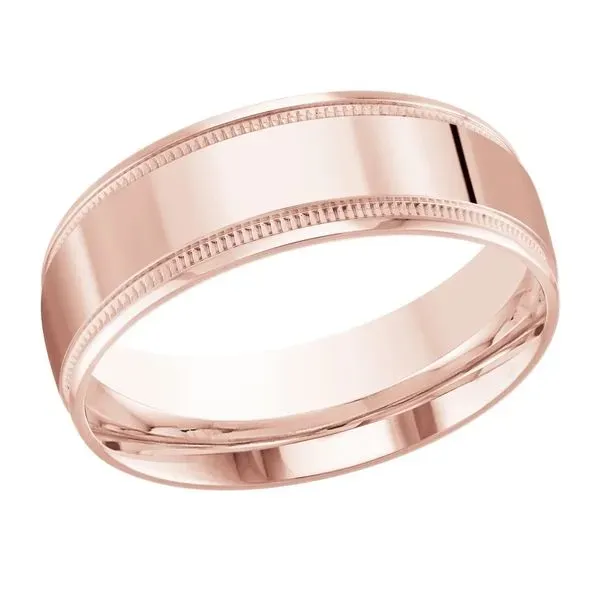
If you are choosing a male wedding ring, try the actual width you intend to buy. A wider band can feel tighter than a narrow one in the same nominal size, so do not assume that every design will fit identically.
Step 2: Compare Different Ring Profiles
A ring's interior shape affects how it feels against your finger. Standard-fit bands often have a flatter interior, while comfort-fit designs feature a rounded inner surface that may slide on and off more easily.
Try both styles before deciding. Move your fingers, make a fist, and check whether the ring presses against neighboring fingers. A design that feels comfortable while your hand is relaxed should also feel natural during ordinary movement.
Width matters, too. A narrow band can feel light and unobtrusive, while a wider ring may create a stronger visual presence. If you are considering high quality wedding rings, compare both comfort and craftsmanship rather than judging the ring by its appearance alone.
Step 3: Pick a Metal That Matches Your Routine
Gold and platinum remain popular choices for wedding jewelry, but they differ in appearance, weight, and maintenance. Yellow gold offers a warm, traditional look, while white gold provides a cooler tone. Platinum is naturally white and often feels heavier on the finger.
Your everyday activities should influence your choice. If you work with your hands, ask the jeweler which metals and ring profiles suit your routine. Even durable materials can scratch, bend, or suffer damage under enough pressure.
A yellow gold eternity ring is an option if you enjoy a classic gold finish with diamonds arranged around the band. Keep in mind that a full-eternity design can be difficult to resize because the stones extend around the entire ring. A half-eternity band may offer greater flexibility if your finger size changes later.
Step 4: Choose Diamonds Without Sacrificing Comfort
Diamond settings can change how a ring feels and performs. Prong settings allow more light to reach the stones, while channel settings position diamonds between metal edges. Pavé designs create a detailed surface with closely set stones.
If you plan to wear your ring every day, check for sharp edges and raised prongs that might catch on clothing. A lower-profile setting may be more practical if you frequently put on gloves or handle fabrics.
You can find gorgeous diamond rings in understated designs, too. A few well-placed stones can create an attractive effect without making the ring feel bulky. When comparing a diamond ring, ask how the stones are secured and what inspections the jeweler recommends.
Step 5: Research the Brand and Craftsmanship
A brand name can help you narrow your options, but the exact ring specifications matter more than the label alone. Inspect the finish, symmetry, metal details, and setting quality. Request information about the materials and available care services.
You may come across Benchmark wedding rings when exploring men's bands with different finishes, widths, and profiles. A Stuller ring may also be available through a jeweler that carries products from Stuller, a jewelry industry supplier. Availability and designs depend on the retailer.
Ask to see the specifications for the particular ring you are considering. This makes it easier to compare craftsmanship and materials instead of relying solely on photographs or brand descriptions.
Step 6: Match the Ring to Your Budget
A comfortable ring does not have to be expensive. Start with a budget that accounts for the ring itself and any additional costs, such as resizing, insurance, cleaning, or repairs.
If you are comparing expensive wedding rings for him, ask which features account for the price. Platinum, larger diamonds, intricate settings, and designer collections can all affect cost. Decide whether those features justify the additional expense for you.
A fashion ring may provide inspiration for your preferred shape or finish, but check whether the piece is specifically designed for wedding use. Construction, materials, and long-term service can differ between decorative rings and wedding bands.
If you need help spreading out the cost, ask about available wedding ring financing options. Review the interest rate, fees, payment schedule, and late-payment terms in writing before signing an agreement.
Step 7: Test the Fit Before Buying
Do not rush the final fitting. Try the ring on when your hands are at a normal temperature and wear it for several minutes. It should stay in place during ordinary movement while passing over your knuckle with manageable resistance.
Check how the ring feels when your fingers bend. If it presses into your skin, rotates excessively, or feels difficult to remove, ask the jeweler whether another size or profile would work better.
Before purchasing from a diamond rings store, confirm its resizing policy and whether adjustments could affect the setting or warranty. This is particularly important for rings with diamonds around much of the band.
Step 8: Consider Long-Term Care
Your wedding ring will experience everyday friction, exposure to household products, and occasional knocks. Follow the jeweler's cleaning recommendations and arrange professional inspections when appropriate, especially if the ring contains diamonds.
Remove your ring when doing activities that could expose it to strong impacts or catching hazards. For tasks involving heavy equipment, lifting, or machinery, taking the ring off is often the safer choice.
When evaluating diamond wedding rings, ask whether the retailer offers cleaning, inspection, and repair services. Knowing how to care for your ring can help preserve its appearance and identify loose stones before they become a problem.
Make Comfort Your Priority
The best wedding ring is one that suits your personal style and feels comfortable during everyday activities. Accurate sizing, a suitable metal, a practical setting, and clear aftercare terms can help you make a decision with confidence.
Whether you prefer a traditional gold band or a sparkling diamond design, compare several options before purchasing. A little extra time spent testing the fit can help you find a ring you will enjoy wearing for many years.
















Sign in to leave a comment.