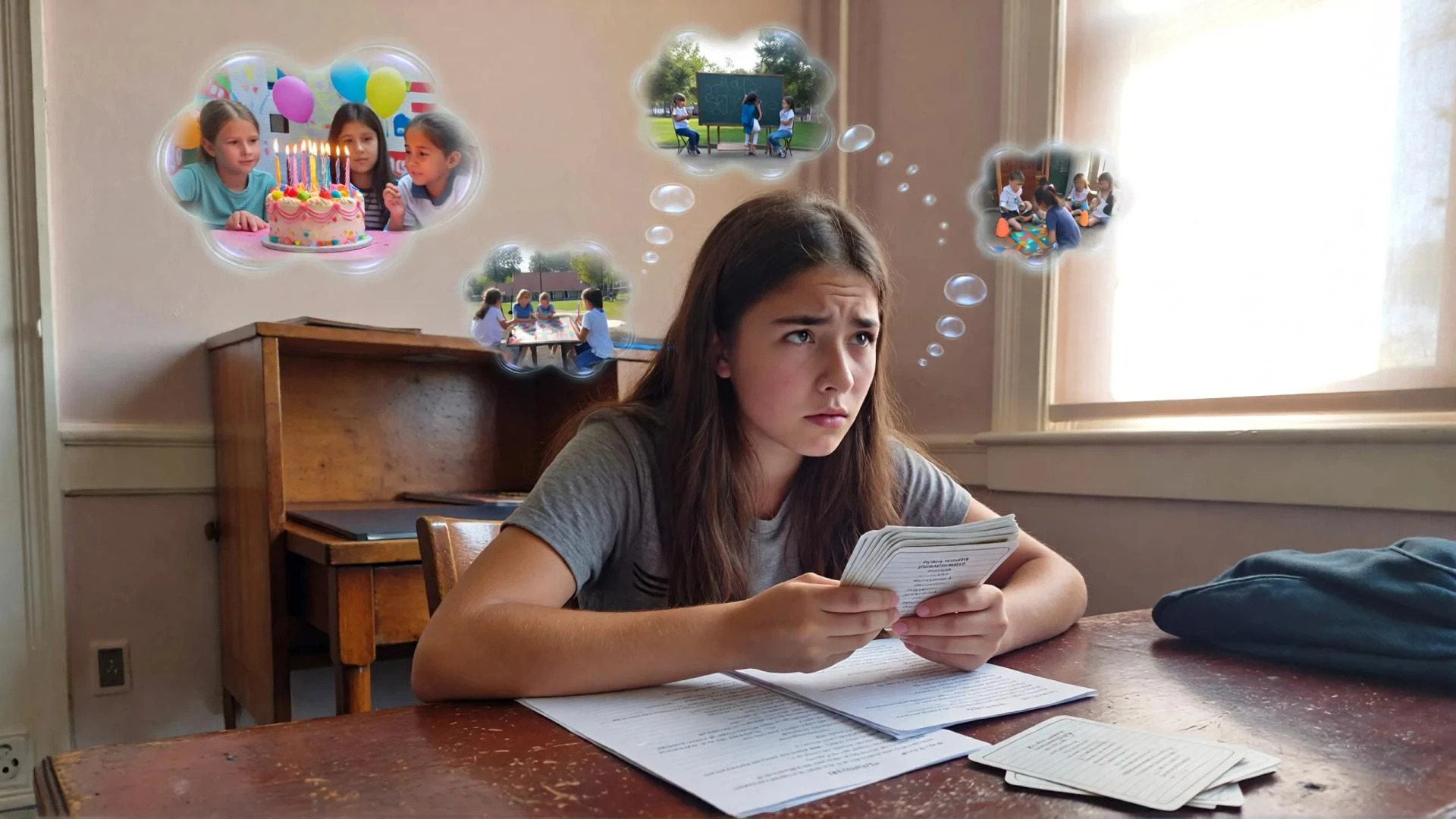

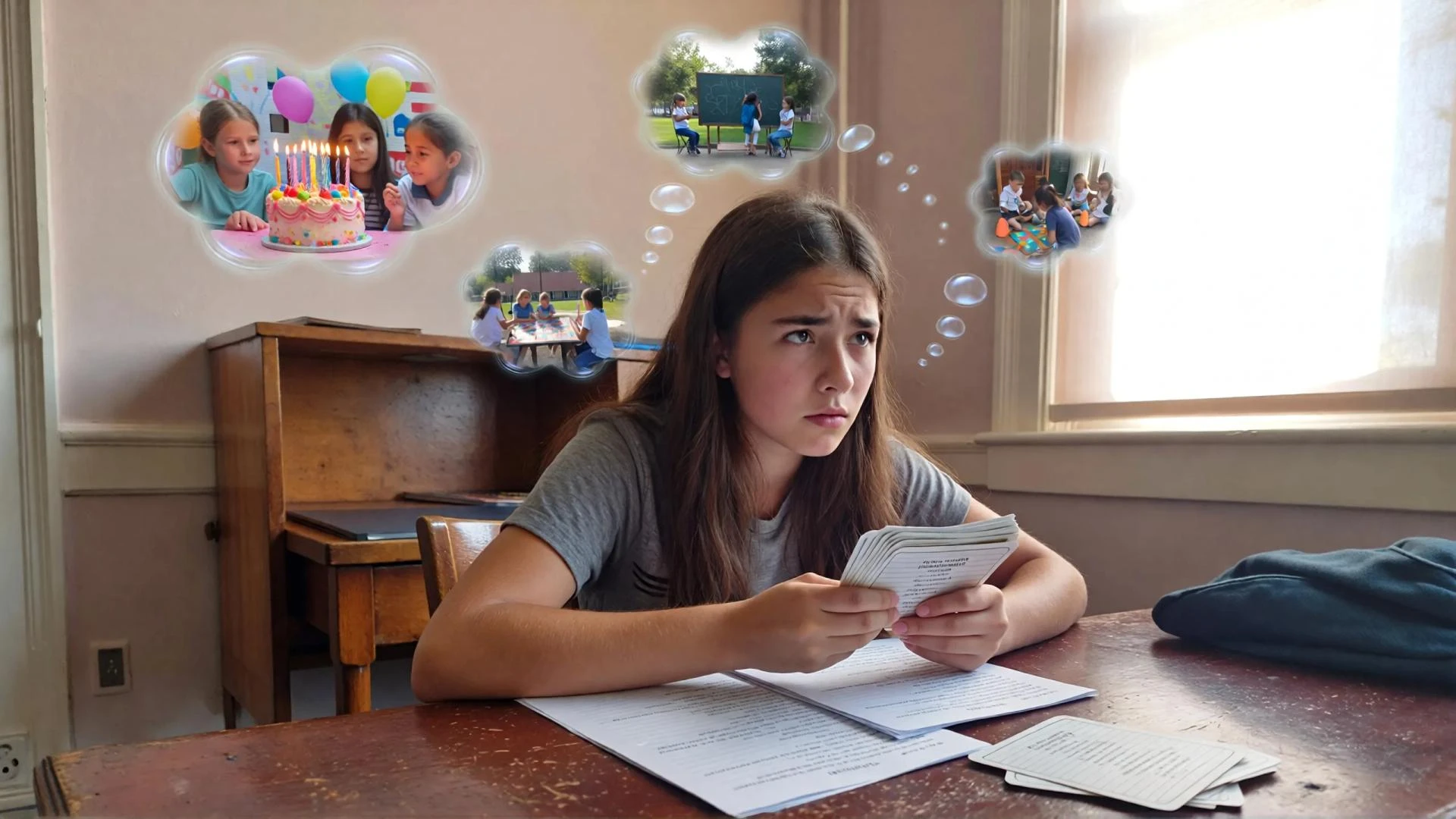
Speaking tasks can feel difficult when you do not know how to organize your ideas. Many learners understand the topic but struggle to speak clearly. This happens because there is no proper structure.
This guide explains a simple method to organize answers for Speaking Cue Cards. The steps are easy to follow and help you speak with clarity and confidence.
Why Structure Matters in Speaking
When you speak without structure, your answer may sound confusing. You may repeat ideas or forget important points.
A good structure helps you:
- Speak clearly
- Stay on topic
- Use your time wisely
- Reduce pauses and hesitation
In Speaking Cue Cards, you usually get a topic and some prompts. A structured approach helps you cover all parts without stress.
Understanding the Cue Card Task
A cue card usually includes:
- A main topic
- 3 to 4 guiding questions
For example, you may be asked to describe a person, place, event, or experience.
You get:
- 1 minute to prepare
- 1–2 minutes to speak
This means planning is very important in Speaking Cue Cards.
Step-by-Step Method to Structure Your Answer
Step 1: Read the Cue Card Carefully
Start by reading the topic slowly. Understand what is being asked.
Look at all the bullet points. These are your guide. Do not ignore them.
Example:
- What the topic is
- When it happened
- Where it happened
- Why it is important
These points help you build your answer in Speaking Cue Cards.
Step 2: Use the 4-Part Structure
A simple structure makes your answer easy to follow.
Use this format:
- Introduction
- Main details
- Personal thoughts
- Conclusion
This structure works well for most Speaking Cue Cards topics.
Step 3: Start with a Simple Introduction
Begin with 1–2 lines. Do not make it complex.
Example:
- I would like to talk about…
- One experience I remember is…
This helps you start smoothly in Speaking Cue Cards.
Step 4: Cover Each Bullet Point
Now move to the main part. Speak about each point one by one.
Do not rush. Give small details for each point.
Example approach:
- First, explain what it is
- Then, talk about when and where
- Add more details to explain clearly
This keeps your answer organized in Speaking Cue Cards.
Step 5: Add Personal Details
Adding personal ideas makes your answer more natural.
You can include:
- Feelings
- Opinions
- Experiences
Example:
- I felt very happy because…
- It was special for me because…
This improves your performance in Speaking Cue Cards.
Step 6: Use Simple Linking Words
Linking words help your answer flow better.
Use simple words like:
- First
- Then
- After that
- Finally
These words connect your ideas in Speaking Cue Cards.
Step 7: End with a Short Conclusion
Finish your answer with 1–2 lines.
Example:
- Overall, it was a great experience
- I will always remember it
This gives a complete ending to your Speaking Cue Cards response.
Example Structure in Practice
Here is a simple format you can follow:
Introduction
Say what you are going to talk about
Main Body
Explain all bullet points with small details
Personal Touch
Add your thoughts and feelings
Conclusion
End with a short summary
This method works for most Speaking Cue Cards topics.
Time Management Tips
Time is limited, so you must plan wisely.
During preparation:
- Spend 10–15 seconds understanding the topic
- Spend 40–45 seconds making notes
During speaking:
- Do not speak too fast
- Try to cover all points
Good time use improves your performance in Speaking Cue Cards.
Common Mistakes to Avoid
Many learners make simple mistakes.
Avoid these:
- Speaking without structure
- Ignoring bullet points
- Using very complex words
- Stopping in the middle
Simple and clear answers work best in Speaking Cue Cards.
How to Practice Effectively
Practice is the key to improvement.
Try these methods:
- Speak in front of a mirror
- Record your voice
- Practice daily with new topics
Regular practice helps you feel more confident in Speaking Cue Cards.
Simple Vocabulary Tips
You do not need difficult words.
Use:
- Common vocabulary
- Clear sentences
- Easy expressions
Example:
Instead of complex words, say:
- very happy
- very interesting
- very useful
Simple language works well in Speaking Cue Cards.
Building Confidence While Speaking
Confidence comes with practice.
To improve:
- Take deep breaths before speaking
- Do not worry about small mistakes
- Focus on communication
Confidence helps you speak smoothly in Speaking Cue Cards.
A clear structure makes speaking easier. When you know what to say and how to say it, your answer becomes more natural.
Follow the steps:
- Understand the topic
- Use a simple structure
- Add personal ideas
- Speak clearly
With regular practice, you will improve your performance in Speaking Cue Cards.
























Sign in to leave a comment.