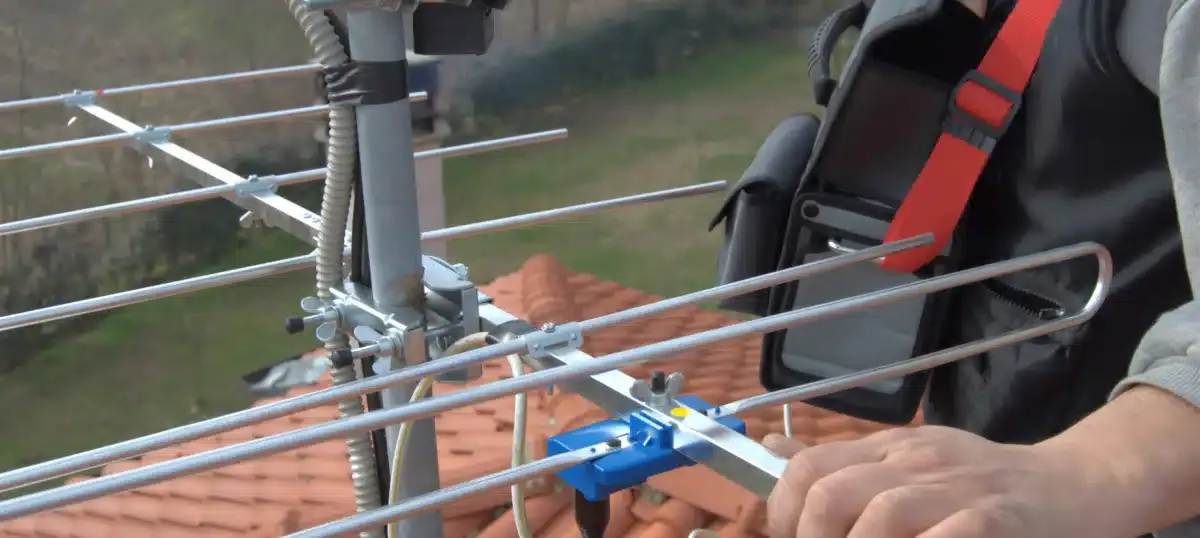

Watching free over-the-air television is a great way to enjoy local news, sports, and entertainment without paying monthly subscription fees. With the right equipment and proper setup, you can receive high-definition channels with excellent picture quality. This step-by-step guide will help you understand the process of installing a TV antenna safely and effectively.
Why Install a TV Antenna?
A TV antenna provides access to local broadcast channels without recurring costs. Modern digital antennas deliver crisp HD signals, making them an affordable alternative or supplement to cable and satellite services. Whether you're cutting the cord or improving your current television setup, a properly installed antenna can significantly enhance your viewing experience.
Step 1: Choose the Right Antenna
Before installation, determine which type of antenna best suits your location.
- Indoor antennas are ideal for homes close to broadcast towers.
- Outdoor antennas provide stronger reception in suburban and rural areas.
- Attic-mounted antennas offer a balance between protection from weather and improved signal strength.
Research local broadcast towers and consider factors such as distance, terrain, and nearby buildings before making your choice.
Step 2: Gather the Necessary Tools
Having the right tools on hand makes installation much easier. Common items include:
- TV antenna
- Mounting brackets
- Coaxial cable
- Drill and screws
- Ladder (for outdoor installations)
- Cable clips
- Signal amplifier (if needed)
- Compass or smartphone app for antenna alignment
Step 3: Find the Best Mounting Location
The location of your antenna greatly affects signal quality. Outdoor antennas should be installed as high as possible with minimal obstructions between the antenna and broadcast towers.
Avoid placing the antenna near:
- Large trees
- Metal structures
- Power lines
- Thick concrete walls
The higher and clearer the installation point, the stronger the signal reception will typically be.
Step 4: Secure the Antenna
Carefully mount the antenna according to the manufacturer's instructions. Ensure all brackets and screws are tightly fastened to withstand wind and weather conditions.
If you're installing the antenna on the roof, always prioritize safety by using stable ladders and avoiding installation during rain or high winds.
Step 5: Connect the Coaxial Cable
Run the coaxial cable from the antenna to your television or digital converter box.
For the best performance:
- Use high-quality coaxial cable.
- Keep cable runs as short as practical.
- Avoid sharp bends.
- Secure the cable with clips to prevent movement and damage.
Step 6: Aim the Antenna
Proper alignment is one of the most important parts of the installation process.
Point the antenna toward the nearest broadcast towers using a signal locator app or online coverage map. After connecting the antenna, perform a channel scan on your television. Make small adjustments to the antenna's direction until you achieve the strongest signal and the highest number of available channels.
Step 7: Test and Fine-Tune
Once installation is complete:
- Scan for available channels.
- Check picture quality on each station.
- Reposition the antenna slightly if some channels experience signal loss.
- Repeat the channel scan after making adjustments.
Minor changes in antenna direction can often make a noticeable difference in reception.
Troubleshooting Common Problems
If you encounter reception issues, consider these solutions:
- Raise the antenna to a higher location.
- Replace damaged coaxial cables.
- Install a signal amplifier for long cable runs.
- Remove nearby obstacles where possible.
- Re-scan channels after every adjustment.
Weather conditions can also temporarily affect signal quality, so occasional fluctuations are normal.
Maintenance Tips
To keep your antenna performing at its best:
- Inspect mounting hardware annually.
- Check cables for wear or damage.
- Tighten loose connections.
- Remove debris that may accumulate around outdoor antennas.
- Re-scan channels periodically, especially after broadcasters change frequencies.
Final Thoughts
Installing a TV antenna is a practical and cost-effective way to enjoy free local television programming. By selecting the right antenna, choosing an optimal location, and carefully aligning it for maximum signal strength, you can enjoy reliable access to dozens of channels without ongoing subscription fees. If you prefer professional assistance, expert TV Antenna Installation services can ensure your system is positioned correctly for the best possible reception while saving you time and effort.



























Sign in to leave a comment.