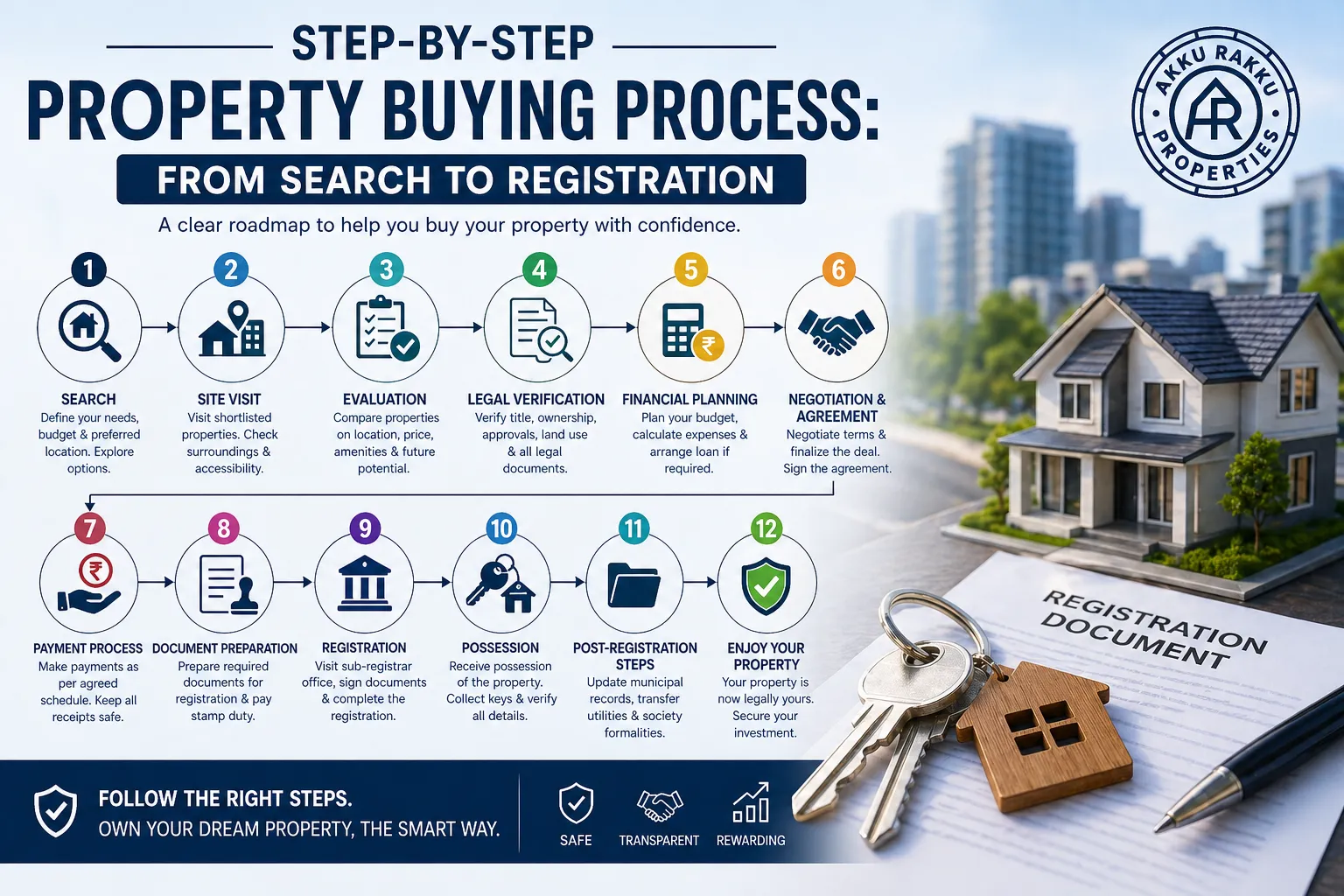

Buying a property is often seen as a single decision. But actually, it’s a process. A layered one. From initial search to final registration, each step has its own importance. Missing even a small detail can create issues later. Not always big problems, but enough to cause stress.
Most buyers begin with a basic idea. Budget, location preference, maybe property type. That’s a good starting point. But at this stage, expectations are usually broad. Things get clearer only after exploring real options.
A Real Estate Agent In Ranchi often notices that buyers underestimate the search phase. They rush it. But this is where the foundation is built. Shortlisting properties based on actual needs—not assumptions—is important. Visiting multiple sites helps. Even if it feels repetitive.
Site visits are not just about seeing the property. They give context. Surroundings, road conditions, nearby activity. These factors don’t show up in listings. Visiting at different times of the day helps too. Morning and evening feel different.
Once a few options are shortlisted, evaluation begins. This step requires patience. Comparing properties based on location, connectivity, and usability. Not just price. Price can be misleading without context.
Then comes legal verification. This is one of the most critical stages. Title clarity, ownership history, and land use approvals must be checked properly. It may feel technical. But skipping this step is risky. Documentation should always be verified through reliable sources.
For apartments, additional checks are needed. Builder approvals, occupancy certificates, and project registrations. These confirm whether the project complies with regulations. It’s not about mistrust. It’s about clarity.
After legal checks, financial planning becomes important. Buyers often focus only on property cost. But there are additional expenses—registration charges, maintenance, and taxes. These should be calculated early. Avoid surprises later.
Loan approval, if required, should also be initiated at this stage. Banks evaluate property documents before approving loans. So having verified documents helps speed up the process. Delays here are common, but manageable.
Next comes negotiation. This stage depends on market understanding. Some buyers hesitate to negotiate. Others overdo it. Balance works better. Understanding current market trends helps in reaching a fair agreement.
Once terms are agreed, a formal agreement is drafted. This document outlines payment schedule, possession timeline, and conditions. It should be read carefully. Even small clauses matter. Clarification at this stage avoids confusion later.
Payment process usually happens in stages. Token amount first. Then scheduled payments. These should align with the agreement. Keeping proper records is important. Every transaction should be documented.
For under-construction properties, payments may be linked to project progress. For ready properties, payment is more straightforward. But verification remains necessary in both cases.
Now comes the pre-registration stage. Documents are prepared for final transfer. Stamp duty and registration fees are calculated. These vary by state. Buyers should confirm the exact amount in advance.
Registration is the legal transfer of ownership. It happens at the sub-registrar office. Both buyer and seller need to be present. Documents are signed and recorded officially. This step finalizes the transaction.
After registration, the property is legally in the buyer’s name. But the process doesn’t fully end here. Post-registration steps include updating records, utility transfers, and possession formalities.
Possession involves physical handover of the property. Keys, access, and final checks. For apartments, society formalities may also be involved. For plots, boundary verification is important.
There’s also mutation of property records. This updates ownership in local municipal records. It may take some time. But it’s necessary for future transactions.
Throughout this process, coordination is required. Between buyer, seller, legal advisors, and sometimes banks. Delays can happen. That’s normal. A structured approach reduces impact.
One common mistake buyers make is rushing toward closure. Once a property feels right, they want to finalize quickly. But skipping steps creates long-term issues. Taking time is not a problem. In fact, it improves confidence.
Another point is documentation safety. All agreements, receipts, and legal papers should be stored properly. These are required for future reference. Digital copies also help.
Real estate transactions are not everyday activities for most buyers. That’s why the process feels complex. But when broken into steps, it becomes manageable.
Each stage has its role. Search builds options. Evaluation brings clarity. Verification ensures safety. Registration completes the process.
In a way, it’s similar to a structured project. Planning, execution, and closure. Each phase depends on the previous one.
Buying property is not just about ownership. It’s about making a stable, well-informed decision. And that comes from following the process properly. Step by step. No shortcuts.
























Sign in to leave a comment.