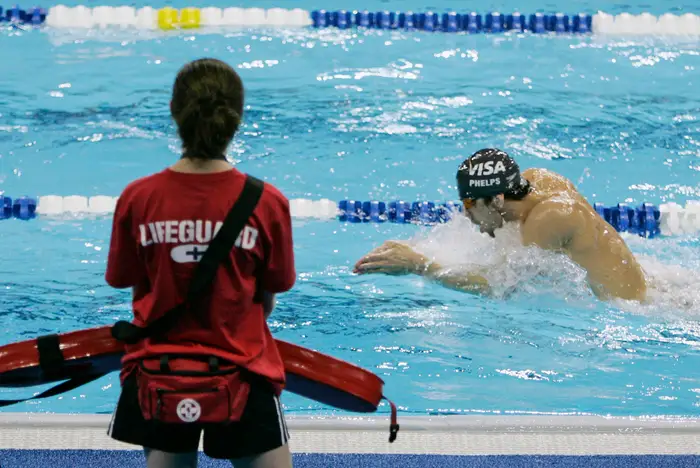

Becoming a certified lifeguard is a rewarding experience that combines skill, responsibility, and the ability to save lives. Completing a lifeguard course successfully requires focus, preparation, and dedication. At American Lifeguard, we ensure that you have the resources and knowledge to excel in your training journey. Let’s walk through the essential steps to help you complete your lifeguard course with confidence.
1. Understand the Course Requirements
Before enrolling in a lifeguard course, familiarize yourself with the prerequisites. Most courses, including those offered by American Lifeguard, require:
- A minimum age (usually 15 years or older).
- Basic swimming skills, including proficiency in front crawl and breaststroke.
- The ability to tread water and retrieve objects from a pool's bottom.
Meeting these requirements ensures you're physically ready for the course.
2. Choose the Right Lifeguard Course
Selecting a certified and reputable organization is key. At American Lifeguard, our courses are designed to meet national and international standards, offering training in:
- CPR/AED for professional rescuers.
- First aid and water safety.
- Rescue techniques for various aquatic environments.
Picking the right course ensures that you gain the certifications required for employment.
3. Prepare Physically and Mentally
Lifeguard training can be physically demanding. Preparing in advance is essential:
- Swim Regularly: Build your endurance by swimming laps several times a week.
- Practice Breath Control: Many rescues require underwater work.
- Strengthen Core and Upper Body: Rescue activities often demand physical strength, so focus on exercises like planks, push-ups, and weightlifting.
Mental preparation is equally important. Lifeguarding requires quick decision-making and staying calm under pressure.
4. Attend All Classes and Stay Engaged
Lifeguard training courses typically combine classroom learning with hands-on practice. To succeed:
- Attend every session and actively participate.
- Take detailed notes during classroom lectures on topics like water safety and emergency response.
- Pay close attention during pool sessions, practicing skills such as spinal injury management, victim extraction, and rescue breathing.
At American Lifeguard, our experienced instructors ensure you gain practical, real-world skills.
5. Master CPR, First Aid, and AED Techniques
CPR, First Aid, and AED training are critical components of any lifeguard course. To excel:
- Practice CPR on training manikins until you're confident.
- Familiarize yourself with the operation of an AED device.
- Understand the steps for treating common injuries like burns, cuts, and fractures.
American Lifeguard provides state-of-the-art equipment and expert guidance to help you master these lifesaving techniques.
6. Practice Rescue Techniques
Rescue scenarios are an essential part of lifeguard training. Key techniques include:
- Performing water rescues for distressed swimmers.
- Safely approaching and securing victims.
- Handling multiple-victim rescues in crowded pools or beaches.
Repetition is crucial. Practicing these techniques repeatedly under instructor supervision will improve your confidence and efficiency.
7. Pass the Written and Practical Exams
Most lifeguard courses conclude with written and practical exams. To prepare:
- Review your notes and study guides regularly.
- Practice rescue scenarios with classmates or on your own.
- Take mock exams to test your knowledge and readiness.
At American Lifeguard, we offer practice sessions and additional support to help you ace your exams.
8. Maintain a Positive Attitude
Lifeguard training can be challenging, but staying positive and focused will keep you motivated. Surround yourself with supportive peers, communicate openly with instructors, and celebrate your progress.
9. Obtain Your Certification
Once you pass your exams, you’ll receive your lifeguard certification, which qualifies you to work at pools, beaches, and waterparks. American Lifeguard provides nationally recognized certifications that enhance your employment opportunities.
10. Stay Certified and Up-to-Date
Lifeguard certifications typically expire after two years. To maintain your skills and certification:
- Take refresher courses.
- Renew your CPR/AED and First Aid certifications.
- Stay informed about updates in rescue techniques and water safety.
American Lifeguard offers convenient recertification options to ensure you're always prepared.
Summary
Successfully completing a lifeguard course requires dedication, preparation, and the right training resources. By following these steps, you’ll gain the confidence and skills needed to save lives and thrive as a professional lifeguard.
For comprehensive training programs and expert guidance, choose American Lifeguard. Start your journey today and make a difference in your community!










Sign in to leave a comment.