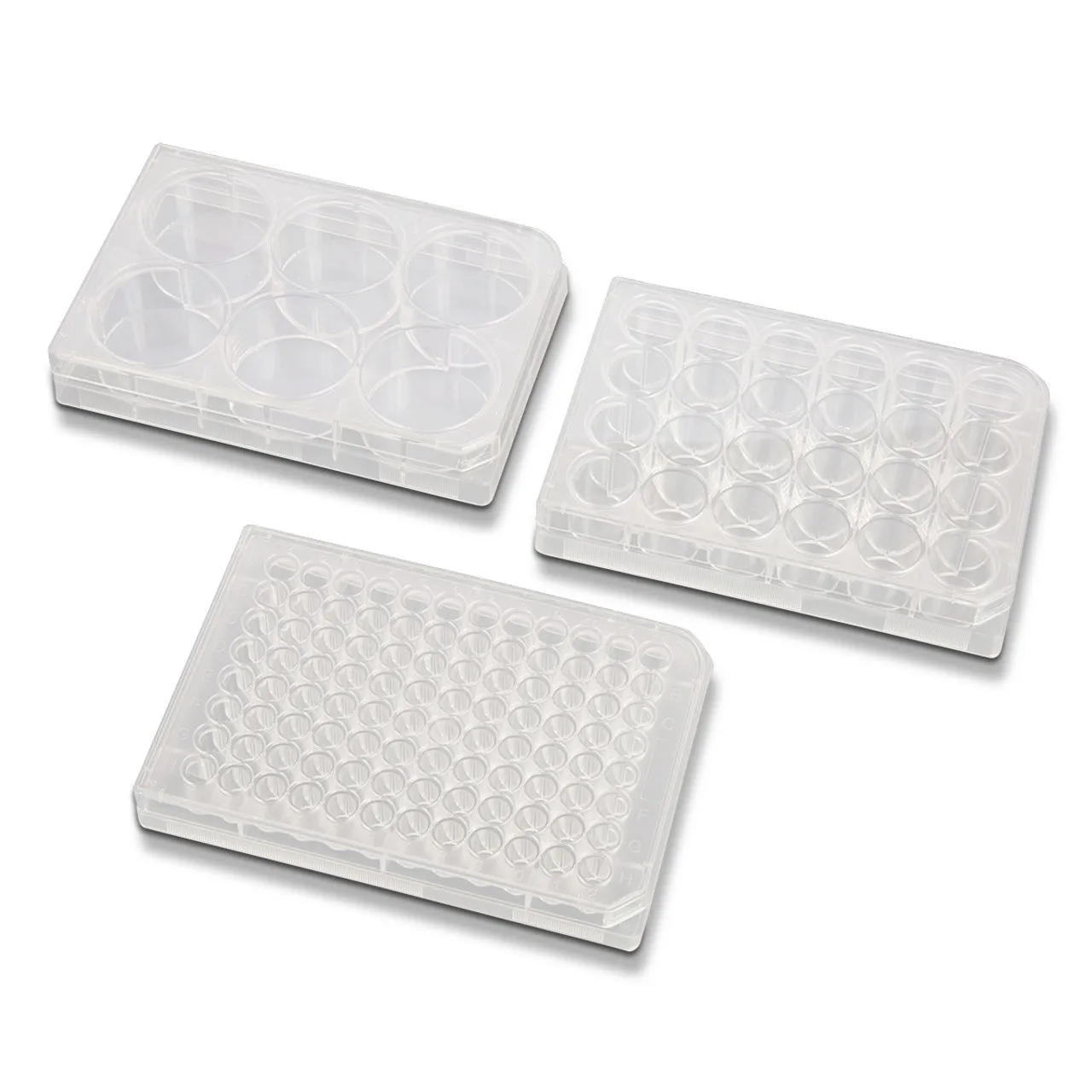

Maintaining sterility in cell culture is essential for producing accurate and reliable results. Even minor contamination can compromise weeks of work, alter experimental outcomes, and waste valuable resources. While many factors influence sterility, the proper use of cell culture consumables plays a central role. From sterile pipette tips to treated culture flasks, every item used in the process must be handled with precision and care. This article explores best practices for using consumables to minimize contamination risks and protect the integrity of your cell cultures.
Why Sterility Matters in Cell Culture
Cell culture is a delicate process. Cells thrive only when the environment around them is stable and uncontaminated. Any introduction of unwanted microorganisms — bacteria, fungi, yeast, or mycoplasma — can alter cell growth, distort data, and in some cases completely ruin a project.
Contamination is not always obvious. Sometimes it is visible, such as cloudy growth medium or floating particles. Other times, it is hidden, silently affecting cell metabolism and experimental outcomes. This is why sterility practices are essential from the moment consumables are opened to the final stage of the experiment.
Common Sources of Contamination
Even with the best lab conditions, contamination risks remain. Understanding where they come from is the first step toward preventing them.
- Airborne Particles
Dust, skin flakes, and microbial spores in the air can land on open culture vessels if proper precautions are not taken.
- Improper Handling
Touching sterile surfaces with bare hands or using unclean gloves can instantly transfer microorganisms.
- Reusable Tools
If not properly cleaned and sterilized, cell culture consumables can carry contamination from one culture to another.
- Poorly Stored Consumables
Even sterile products can become contaminated if packaging is damaged or opened in a non-sterile environment.
- Cross-Contamination between Cultures
Using the same pipette tip or pouring medium from the same bottle for multiple cultures can spread contaminants.
Recognizing these risks helps researchers put extra attention into how cell culture consumables are stored, opened, and used.
Choosing the Right Consumables
Not all consumables are created equal. Some are specifically designed for sterile cell culture work and undergo rigorous quality control to ensure they are free from microbial contaminants.
When selecting cell culture consumables, look for:
- Sterile Packaging: Check for intact seals and labeling that indicates sterilization method, such as gamma irradiation or autoclaving.
- Material Quality: Use materials that are biocompatible and do not release toxic residues.
- Special Features: For certain applications, consumables with treated surfaces (such as tissue culture-treated flasks) can improve cell attachment and growth.
Remember, the wrong choice of consumables can make even the best sterility practices ineffective.
Best Practices for Maintaining Sterility
Sterility is maintained through a combination of good technique, proper equipment use, and careful handling of all materials. Below are essential steps to follow when working with cell culture consumables.
1. Work in a Controlled Environment
Always perform cell culture work inside a biosafety cabinet (BSC) or laminar flow hood. These devices create a barrier between your work and the surrounding air, reducing the risk of airborne contamination. Keep the hood clean and disinfected before and after each session.
2. Minimize Exposure Time
The longer consumables remain open, the higher the risk of contamination. Plan your workflow so that tubes, flasks, or pipette tip boxes are only opened when you are ready to use them, and close them immediately afterward.
3. Use Proper Glove Hygiene
Gloves should be worn at all times during cell culture work. Change them frequently, especially if they touch non-sterile surfaces. Spraying gloves with 70% ethanol before working with cell culture consumables adds an extra layer of protection.
4. Avoid Touching Sterile Surfaces
Pipette tips, flask necks, and the inside of tube caps should never be touched by hands, gloves, or any surface that is not sterile. Even brief contact can transfer microorganisms.
5. Dedicate Consumables for Specific Cell Lines
If possible, dedicate certain pipettes, tips, and media bottles to a single cell line to avoid cross-contamination. Clearly label all consumables to indicate their use.
Storage Guidelines for Consumables
Sterile products can lose their sterility if they are not stored correctly. To ensure your cell culture consumables remain safe to use:
- Keep them in a clean, dry area away from dust and potential contaminants.
- Do not open the packaging until immediately before use.
- Store them at the recommended temperature, especially for temperature-sensitive plastics.
- Check packaging frequently for signs of compromise or damage.
- Proper storage not only preserves sterility but also ensures consumables maintain their intended physical and chemical properties.
Dealing with Contamination
Despite best efforts, contamination can still happen. When it does, it is important to respond quickly:
- Isolate the Contaminated Culture: Move it away from other cultures to prevent spread.
- Dispose of Affected Materials: Do not attempt to “clean” or reuse contaminated consumables.
- Identify the Source: Review your workflow to find where contamination might have occurred.
- Implement Preventive Measures: Adjust handling techniques, storage methods, or choice of consumables if needed.
Addressing contamination early can prevent repeated losses and improve the overall quality of your cell culture work.
The Role of Training in Maintaining Sterility
Even the highest quality cell culture consumables cannot prevent contamination if they are not used correctly. Proper training ensures that every team member understands aseptic techniques, safe handling procedures, and the importance of following protocols consistently.
Regular training sessions and audits can help identify small mistakes before they lead to major problems. Encourage team members to speak up about any potential sterility breaches they observe.
The Future of Sterility in Cell Culture
As research becomes more advanced, the need for reliable sterility measures will only grow. Manufacturers are developing innovative cell culture consumables that reduce handling steps, incorporate built-in filters, or are designed for single use to further lower contamination risks.
Automation is also changing the landscape. Automated cell culture systems handle consumables with precision and consistency, reducing the risk of human error. While not every lab can adopt full automation, integrating even small automated tools can improve sterility.
Summary
Sterility is the foundation of successful cell culture. It is not just about avoiding contamination — it is about creating an environment where cells can thrive and deliver accurate, reproducible results. By choosing the right cell culture consumables, storing them properly, and following strict aseptic techniques, researchers can significantly reduce the risks of contamination.
Every pipette tip, flask, and tube plays a role in protecting your cells. Respecting that role and handling each item with care will pay off in the form of cleaner data, more reliable results, and greater research efficiency.




























Sign in to leave a comment.