
Introduction
In the realm of design and architecture, few materials possess the enduring charm and elegance of natural stone. From the majestic facades of historic buildings to the intricate detailing of sculptures, stone has stood as a testament to human creativity and craftsmanship. However, the passage of time, exposure to the elements, and the accumulation of pollutants can mar the pristine beauty of stone surfaces. This is where the transformative process of stone cleaning comes into play – an art that not only reveals the timeless allure of stone but also preserves its integrity for generations to come. In this article, we delve into the world of stone cleaning, exploring its methods, significance, and the magic it unveils.
The Allure of Natural Stone
Natural stone is a canvas of geological history, a testament to the forces of nature that shaped it over millions of years. Its unique colors, textures, and patterns have captivated architects, artists, and designers throughout history. Whether it's the classic sophistication of marble, the rustic appeal of limestone, or the rugged character of granite, each type of stone carries its own story, waiting to be uncovered.
The Art of Stone Cleaning
Stone cleaning is more than just a routine maintenance task; it's an intricate process that requires a deep understanding of stone types, historical contexts, and advanced cleaning techniques. The primary goal of stone cleaning is to remove dirt, grime, pollutants, and organic growth without causing harm to the stone's surface.
Methods of Stone Cleaning
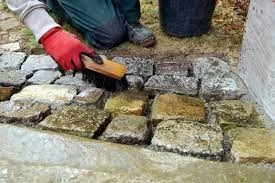
Mechanical Cleaning: This involves physically removing dirt and debris using methods such as brushing, scrubbing, and pressure washing. Care must be taken to avoid abrasive tools that can damage the stone.
Chemical Cleaning: Chemical solutions are applied to the stone's surface to dissolve and lift away contaminants. Different chemicals are used based on the type of stone and the nature of the stains. It's crucial to select chemicals that are compatible with the stone to prevent any adverse reactions.
Steam Cleaning: Steam cleaning utilizes high-pressure steam to dislodge dirt and grime from the stone's surface. It's effective for removing organic growth, such as moss and algae.
Biological Cleaning: In cases where organic growth has taken hold, biological cleaning involves using enzymes or microorganisms to break down and remove the growth without damaging the stone.
Importance of Stone Cleaning
Preservation: Stone cleaning plays a pivotal role in preserving the structural integrity of stone surfaces. Accumulated dirt and pollutants can contribute to the deterioration of the stone over time.
Aesthetics: Stone cleaning reveals the true colors, patterns, and textures of the stone, restoring its original aesthetic appeal. This is especially crucial for historic buildings and monuments where the stone's visual impact is part of its cultural significance.
Health and Safety: Regular stone cleaning helps eliminate allergens and pollutants that can accumulate on stone surfaces. This is particularly important in indoor environments where air quality is a concern.
Cultural Heritage: In historical and heritage structures, stone cleaning is a way to connect with the past, revealing the craftsmanship and beauty of earlier generations.
Challenges in Stone Cleaning
Stone cleaning is a delicate process that requires a nuanced approach. The challenge lies in selecting the right cleaning method and materials that effectively remove contaminants without causing harm to the stone. Improper cleaning techniques can result in discoloration, erosion, or even irreversible damage.
Conclusion
Stone cleaning is a bridge between time and modernity, a process that allows us to witness the intrinsic beauty of natural stone that has endured for centuries. As we witness the metamorphosis of weathered and stained surfaces into radiant expressions of nature's artistry, we're reminded of the importance of preserving our architectural heritage and connecting with the timeless beauty of stone. The art of stone cleaning is not just about restoring aesthetics – it's about breathing life into the silent stones that hold stories of civilizations gone by, reminding us that beauty, when uncovered, can transcend time itself.











Sign in to leave a comment.