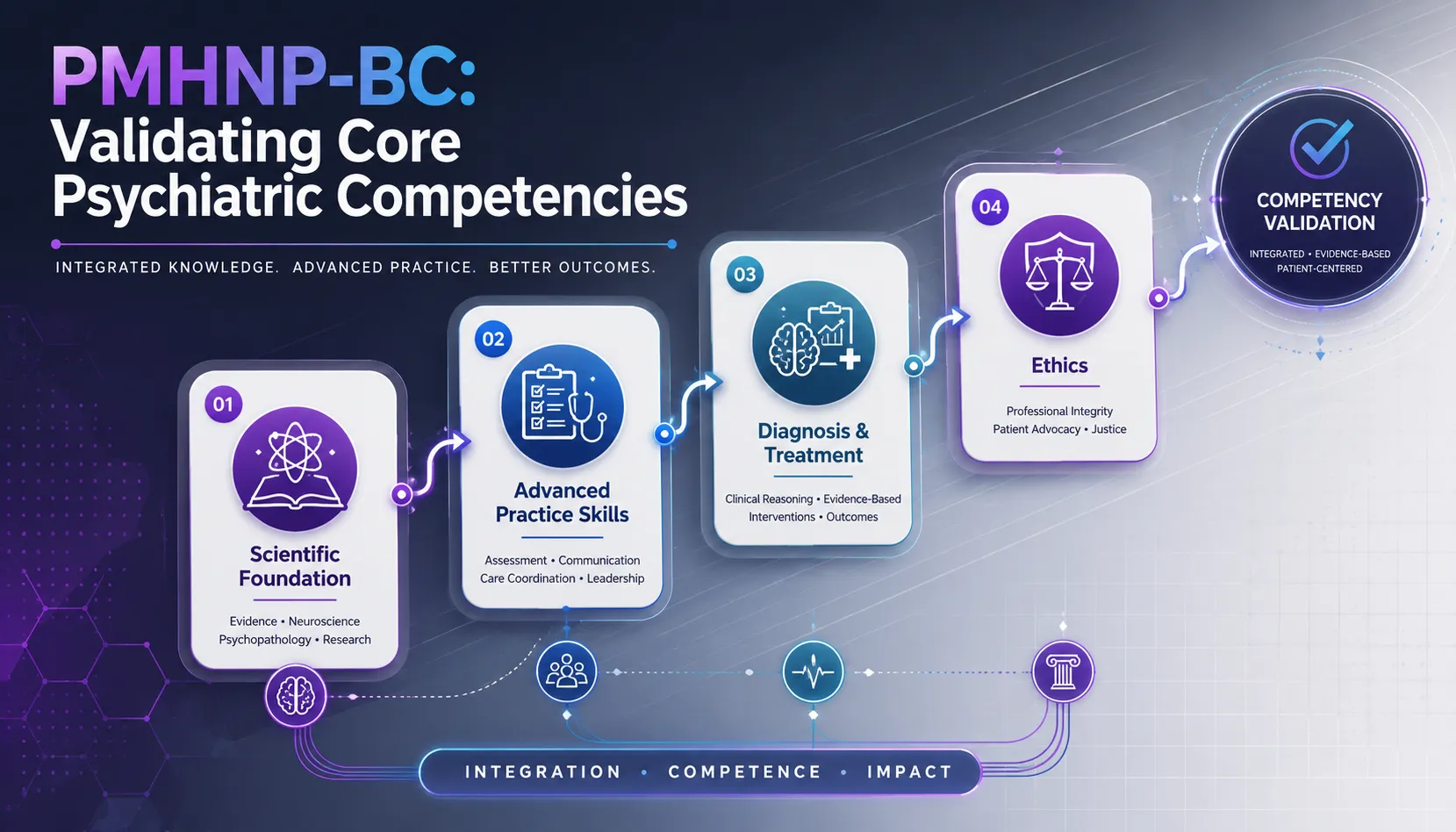

The ANCC Psychiatric-Mental Health Nurse Practitioner (Across the Lifespan) Certification, or PMHNP-BC, signifies a deep commitment to advanced practice nursing in mental healthcare. This certification validates the specialized knowledge and clinical expertise required to assess, diagnose, and treat mental health conditions across diverse populations, from childhood through old age. For aspiring PMHNPs, understanding the exam's intricacies and preparing effectively through targeted ANCC PMHNP-BC questions is paramount to achieving this crucial credential. This article provides a curated, efficient, and practical strategy for leveraging high-quality study resources to transition from merely practicing to confidently passing the ANCC PMHNP-BC exam, outlining key content areas, effective study approaches, and strategic use of practice questions.

Demystifying the ANCC PMHNP-BC Exam Structure
Achieving the ANCC PMHNP-BC certification is a rigorous process, and a clear understanding of the exam's framework is your first step towards strategic preparation. The ANCC Psychiatric-Mental Health Nurse Practitioner (Across the Lifespan) Certification (PMHNP-BC) is designed to evaluate a candidate's competency in advanced psychiatric nursing roles. Familiarity with its details ensures that your study plan is aligned with the actual assessment parameters, helping you to focus your efforts where they matter most. This exam is a critical measure of readiness for autonomous practice in a complex and evolving healthcare landscape. For more information, you can always refer to the official certification details.
The PMHNP-BC exam details are structured as follows:
- Exam Name: ANCC Psychiatric-Mental Health Nurse Practitioner (Across the Lifespan) Certification
- Exam Code: PMHNP-BC
- Exam Price:
- Non-member - $395
- Members - $295
- Duration: 210 minutes
- Number of Questions: 175 total questions
- 150 Scored Items
- 25 Pretest Items (unscored)
- Passing Score: 350 (on a scale of 0-500)
Understanding these foundational elements allows you to approach your study with precision, allocating time appropriately to each section. The distribution of scored and pretest items means that every question should be approached with careful consideration, even though not all will contribute to your final score. Time management during the exam is also key, given the 210-minute duration for 175 questions.
Strategic Considerations for Exam Logistics
Beyond the raw numbers, the logistics of the ANCC PMHNP-BC exam demand strategic thinking. The pricing structure, for instance, highlights the value of ANCC membership, which can offer significant savings. Planning your test date, understanding the registration process, and familiarizing yourself with testing center protocols are all integral parts of a smooth certification journey. It's not just about what you know, but also how well you navigate the administrative and procedural aspects of the exam. This holistic approach to preparation helps reduce anxiety and allows you to focus purely on demonstrating your clinical knowledge and skills on exam day.
Exploring Core PMHNP-BC Content Domains
The ANCC PMHNP-BC exam rigorously assesses a broad spectrum of competencies crucial for advanced practice psychiatric nursing. Each content domain reflects a core area of expertise that a PMHNP must possess to provide comprehensive, safe, and effective mental healthcare across the lifespan. By understanding the weight and scope of these domains, candidates can prioritize their study efforts and ensure thorough coverage of all essential topics, transforming mere practice into effective preparation. The detailed syllabus provides a roadmap to the specific knowledge areas critical for success.
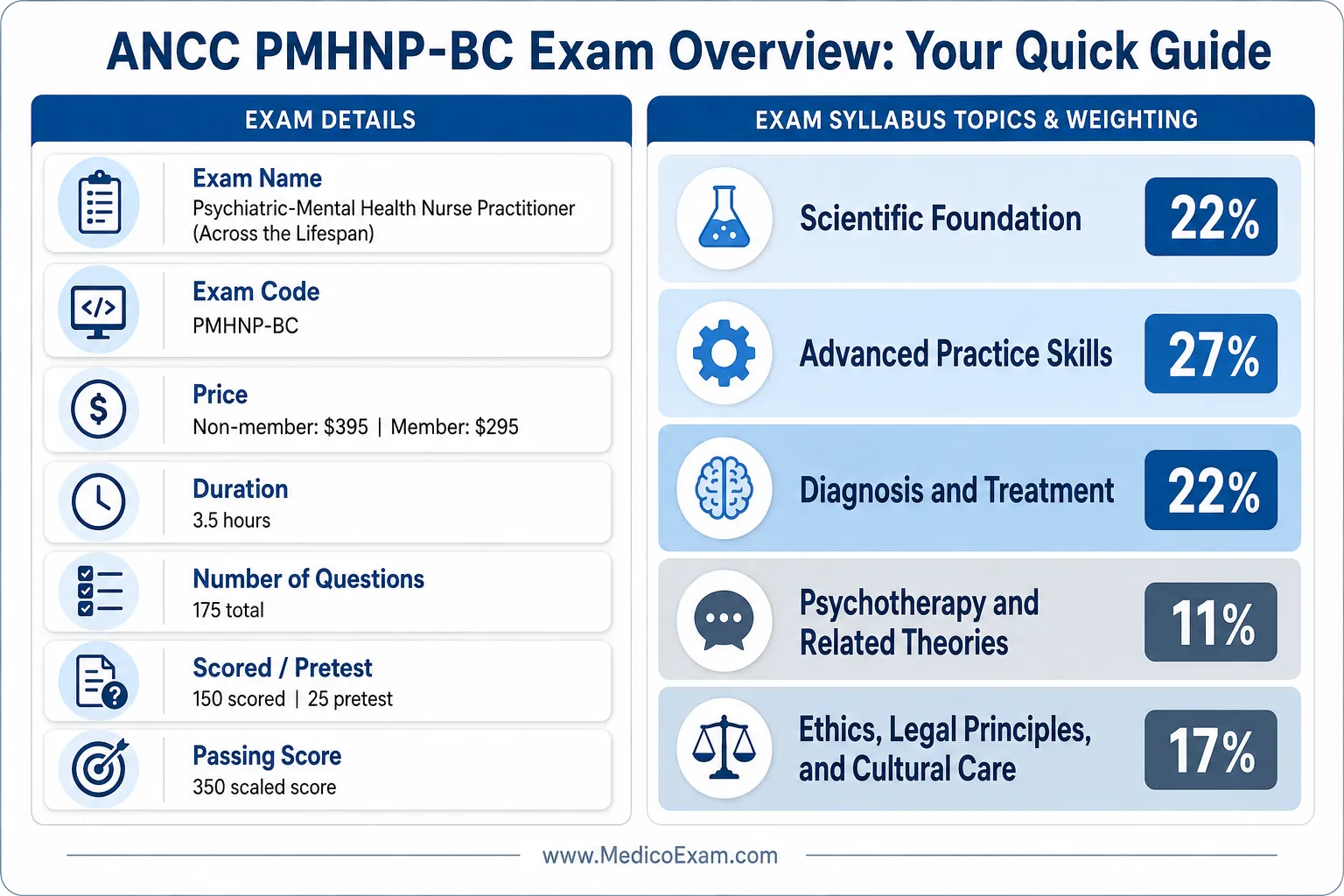
The PMHNP-BC certification exam covers the following key syllabus topics, with their approximate weightings:
- Scientific Foundation: 22%
This domain encompasses neuroanatomy, neurophysiology, psychoneuroimmunology, genetics, and the biological bases of mental illness. It also includes advanced pharmacotherapeutics, pharmacokinetics, and pharmacodynamics relevant to psychiatric care.
- Advanced Practice Skills: 27%
Focuses on advanced health assessment techniques, differential diagnosis formulation, clinical reasoning, and critical thinking. It also covers health promotion, disease prevention, and risk assessment strategies for mental health populations.
- Diagnosis and Treatment: 22%
This section delves into diagnostic criteria from the DSM-5, treatment planning, and evidence-based interventions for various mental health disorders across the lifespan. It emphasizes culturally sensitive care and age-appropriate interventions.
- Psychotherapy and Related Theories: 11%
Examines different modalities of psychotherapy, including individual, group, and family therapy. It explores theoretical frameworks such as cognitive-behavioral therapy (CBT), dialectical behavior therapy (DBT), psychodynamic therapy, and supportive therapy.
- Ethics, Legal Principles, and Cultural Care: 17%
Covers professional ethics, legal statutes, and regulatory guidelines impacting PMHNP practice. It includes informed consent, confidentiality, patient rights, mandatory reporting, and culturally competent care delivery in diverse settings.
Tailoring Your Study Plan to Key Content Areas
The varied percentages assigned to each domain highlight their relative importance on the exam. For instance, Advanced Practice Skills and Scientific Foundation collectively represent nearly half of the exam, indicating a strong emphasis on foundational knowledge and its practical application. Candidates should allocate their study time proportionally, ensuring a robust understanding of these high-yield areas. While less weighted, domains like Psychotherapy and Ethics, Legal Principles, and Cultural Care are equally vital for comprehensive practice and can be crucial for distinguishing between passing and failing scores. A balanced approach, informed by these weightings, will ensure no critical area is neglected.
Strategic Practice for ANCC PMHNP-BC Questions
Engaging with ANCC PMHNP-BC questions effectively is not merely about answering them; it's about transforming each question into a learning opportunity. High-quality practice questions are designed to mirror the cognitive demands and content areas of the actual certification exam, allowing you to test your knowledge, identify gaps, and refine your test-taking strategies. The goal is to move beyond rote memorization towards a deep understanding of the concepts, which is critical for real-world application as a PMHNP. This strategic engagement prepares you for the nuances of the exam.
Advantages of Authentic Practice Questions
Utilizing practice questions that accurately reflect the ANCC PMHNP-BC exam format and content offers several distinct advantages:
- Content Mastery: Each question serves as a mini-lesson, reinforcing specific syllabus topics and helping to solidify your understanding of complex psychiatric-mental health concepts.
- Format Familiarity: Regular exposure to the question structure, length, and types of clinical scenarios helps reduce anxiety and builds confidence for exam day.
- Time Management Skills: Practicing under timed conditions allows you to develop efficient strategies for allocating your time effectively across the multiple-choice questions.
- Identification of Weak Areas: Incorrect answers highlight specific knowledge deficits, guiding you to re-focus your study on those particular topics or domains.
- Clinical Reasoning Development: Many ANCC PMHNP-BC questions are scenario-based, requiring you to apply critical thinking and clinical judgment, mirroring the demands of advanced practice.
Instead of just counting correct answers, analyze the rationale behind each choice, both correct and incorrect. Understand why the right answer is best and why other options are less suitable. This analytical approach to ANCC PMHNP-BC questions deepens your learning and builds a more robust foundation for the exam.
Cultivating Advanced Psychiatric Skills
The ANCC PMHNP-BC certification emphasizes not just theoretical knowledge but also the practical application of advanced psychiatric skills essential for patient care. These skills enable PMHNPs to conduct thorough assessments, formulate accurate diagnoses, and implement evidence-based treatment plans that address the complex needs of individuals with mental health disorders across the lifespan. Developing these competencies is a continuous process that extends beyond exam preparation into ongoing clinical practice. It reflects the core capabilities of an effective psychiatric provider.
Key Skills for Effective PMHNP Practice
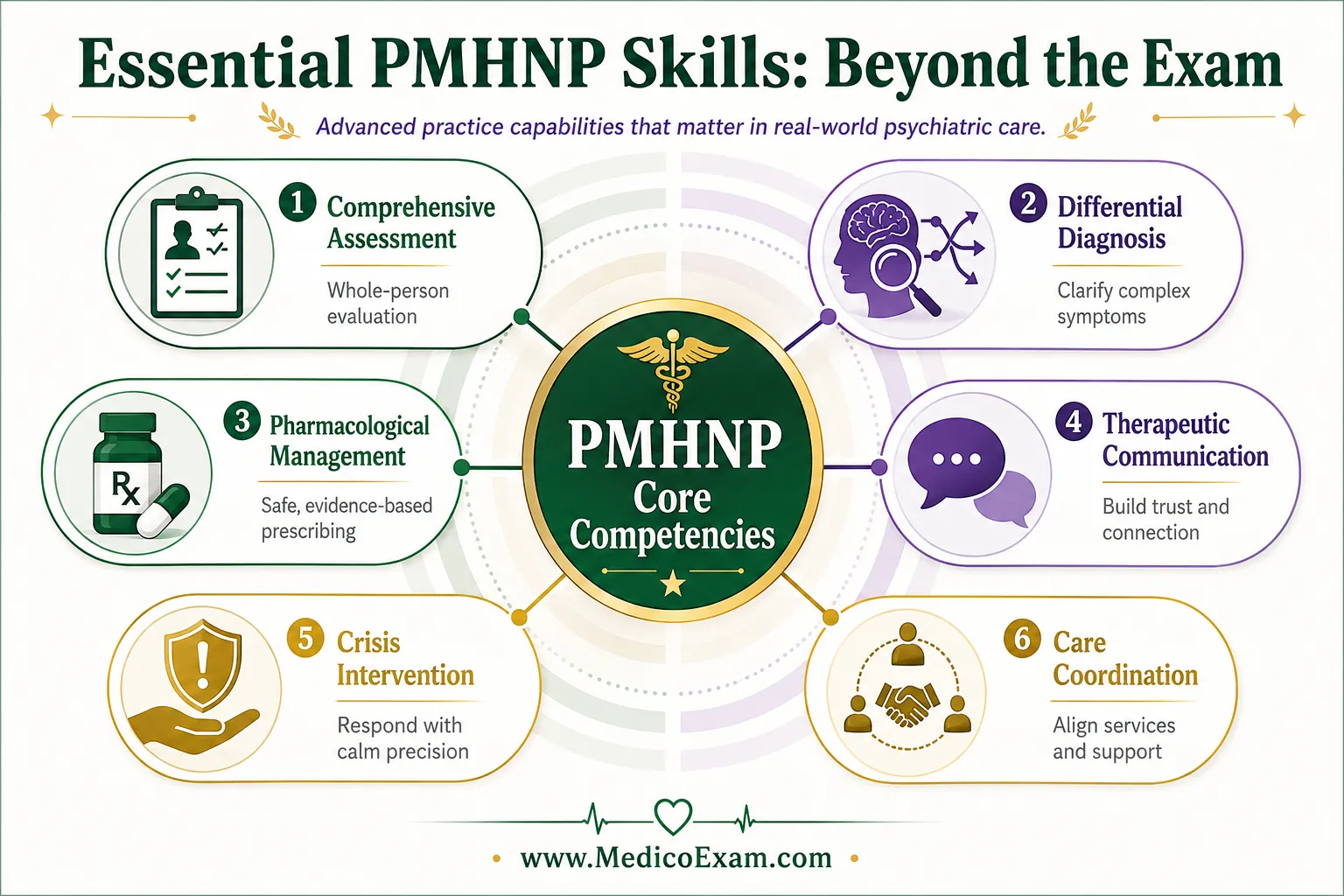
A successful PMHNP relies on a diverse set of skills, each critical to providing holistic and patient-centered care. These include:
- Comprehensive Assessment: The ability to gather detailed psychiatric histories, perform mental status examinations, assess risk factors, and interpret diagnostic tests. This also involves integrating physical health assessments as mental and physical health are often intertwined.
- Differential Diagnosis: Systematically analyzing symptoms, historical data, and assessment findings to arrive at the most accurate diagnosis among several possibilities, aligning with DSM-5 criteria.
- Pharmacological Management: Prescribing and monitoring psychotropic medications, understanding drug interactions, side effects, and patient adherence, while considering age, comorbidity, and cultural factors.
- Therapeutic Communication: Employing advanced communication techniques to build rapport, facilitate disclosure, educate patients and families, and manage challenging interactions effectively.
- Crisis Intervention: Rapidly assessing and intervening in acute psychiatric crises, including suicidal ideation, homicidal ideation, and severe agitation, ensuring patient and public safety.
- Care Coordination: Collaborating with interdisciplinary teams, referring to specialists, and advocating for patients to ensure continuity of care and access to necessary resources.
- Evidence-Based Practice Integration: Critically appraising and applying the latest research findings and clinical guidelines to inform practice decisions and optimize patient outcomes.
Cultivating these skills requires a blend of didactic learning, supervised clinical experience, and continuous self-assessment. Integrating these practical aspects into your study of ANCC PMHNP-BC questions will make the material more relevant and enhance your ability to apply knowledge in clinical scenarios.
Navigating Psychopharmacology and Diagnostic Challenges
Psychopharmacology and diagnostic reasoning represent cornerstone competencies for any ANCC PMHNP-BC candidate. The exam heavily features scenarios requiring the application of advanced knowledge in these areas. Mastery involves not just memorizing drug classes and diagnostic criteria, but understanding their nuanced application in diverse patient populations, considering comorbidities, polypharmacy, and individual patient responses. This complexity makes targeted study of ANCC PMHNP-BC psychopharmacology questions and diagnostic questions absolutely essential for success.
Deep Diving into Psychopharmacology
Effective psychopharmacology requires a multi-faceted understanding beyond basic drug names. PMHNPs must grasp:
- Mechanism of Action: How different psychotropic medications impact neurotransmitter systems and brain circuits to achieve therapeutic effects.
- Pharmacokinetics and Pharmacodynamics: The absorption, distribution, metabolism, excretion, and specific effects of drugs within the body, which influence dosing and frequency.
- Drug Interactions: Identifying potential adverse interactions between psychotropic medications and other prescription drugs, over-the-counter remedies, or substances.
- Side Effect Management: Anticipating, monitoring for, and managing common and severe side effects, including strategies for mitigation and patient education.
- Special Populations: Adapting psychopharmacological treatment for children, adolescents, pregnant and lactating individuals, older adults, and those with co-occurring medical conditions.
ANCC PMHNP-BC psychopharmacology questions will often present clinical vignettes where you must select the most appropriate medication, adjust dosage, or manage adverse effects based on patient-specific data.
Sharpening Diagnostic Acuity
Diagnostic accuracy forms the bedrock of effective treatment. The PMHNP-BC exam will assess your ability to:
- Apply DSM-5 Criteria: Precisely match patient symptoms and presentation to specific diagnostic criteria for various mental health disorders.
- Differentiate Diagnoses: Distinguish between disorders that present with overlapping symptoms (e.g., bipolar disorder vs. major depressive disorder with psychotic features, anxiety disorders vs. medical conditions).
- Recognize Comorbidity: Identify and account for co-occurring mental health disorders, substance use disorders, and medical conditions that complicate diagnosis and treatment.
- Utilize Collateral Information: Integrate information from family members, previous records, and other healthcare providers to form a comprehensive diagnostic picture.
PMHNP-BC diagnostic questions often present intricate case studies, challenging you to synthesize information and arrive at the most plausible and defensible diagnosis. This process requires not only knowledge of diagnostic criteria but also robust clinical reasoning.
Upholding Ethical Standards and Legal Principles
The practice of a Psychiatric-Mental Health Nurse Practitioner is inherently complex, situated at the intersection of medical science, human behavior, and societal values. Consequently, a strong foundation in ethical standards, legal principles, and culturally sensitive care is not just beneficial but mandatory for ANCC PMHNP-BC certification. The exam content outline questions related to this domain assess a candidate's ability to navigate moral dilemmas, adhere to professional guidelines, and provide equitable care to diverse populations, ensuring patient safety and professional integrity. The ANCC Certification Handbook offers valuable insight into these expectations.
Navigating Ethical Dilemmas in Practice
PMHNPs frequently encounter situations that demand careful ethical consideration. The exam will test your understanding of principles such as:
- Autonomy: Respecting a patient's right to make their own decisions regarding their care, even if those decisions differ from the provider's recommendation, provided the patient has capacity.
- Beneficence: Acting in the best interest of the patient, promoting their well-being, and providing care that is beneficial.
- Non-maleficence: "Do no harm," ensuring that interventions do not inadvertently cause harm to the patient.
- Justice: Ensuring fair and equitable distribution of healthcare resources and advocating for access to care for all individuals, regardless of socioeconomic status, background, or identity.
- Fidelity: Maintaining loyalty and commitment to patients, upholding professional promises, and building trust.
Scenarios might involve issues like involuntary commitment, confidentiality breaches, or managing boundaries within therapeutic relationships.
Adhering to Legal and Regulatory Frameworks
Beyond ethical considerations, PMHNPs must operate within a complex web of legal and regulatory requirements. Key areas include:
- Confidentiality and Privacy: Understanding HIPAA regulations, state-specific privacy laws, and exceptions to confidentiality (e.g., duty to warn, mandatory reporting).
- Informed Consent: Ensuring patients fully understand their diagnosis, proposed treatment, alternatives, risks, and benefits before consenting to care. This includes assessing capacity to consent.
- Scope of Practice: Adhering to the legal boundaries of the PMHNP role as defined by state nurse practice acts and ANCC standards.
- Documentation Standards: Maintaining accurate, timely, and comprehensive clinical records that meet legal and professional requirements.
- Mandatory Reporting: Knowing when and how to report child abuse, elder abuse, or other forms of neglect or exploitation to appropriate authorities.
ANCC PMHNP-BC ethical and legal considerations questions often present complex situations, requiring you to apply both ethical principles and legal mandates to determine the most appropriate course of action. Cultural care is interwoven throughout these principles, emphasizing the need for respectful, sensitive, and individualized care that honors patient values and beliefs.
Optimizing Your PMHNP-BC Preparation Journey
Effective preparation for the ANCC PMHNP-BC exam extends far beyond passively reviewing textbooks. It requires a dynamic and highly organized approach that integrates various study methods, focuses on active recall, and simulates the exam environment. By optimizing your preparation journey, you can build not just knowledge, but also the confidence and resilience needed to tackle the comprehensive ANCC PMHNP-BC questions that await you. A structured plan transforms scattered efforts into a coherent path to certification.
Key Components of an Efficient Study Plan
An efficient study plan for the ANCC PMHNP-BC exam should incorporate several crucial elements:
- Syllabus Mapping: Systematically align your study materials with the official ANCC exam content outline. This ensures you cover all weighted domains without unnecessary deviations.
- Diverse Study Resources: Utilize a blend of resources, including comprehensive review books, online courses, flashcards for psychopharmacology, and peer study groups.
- Active Learning Techniques: Move beyond passive reading. Employ strategies like spaced repetition, creating concept maps, teaching topics to others, and regularly testing yourself.
- Scheduled Breaks and Self-Care: Prevent burnout by incorporating regular breaks, exercise, adequate sleep, and stress-reduction techniques into your routine. Mental well-being is critical for sustained focus.
- Consistent Practice: Regularly engage with ANCC PMHNP-BC sample questions with answers to reinforce learning and identify areas requiring further attention.
Establishing a realistic study schedule, setting achievable daily and weekly goals, and regularly assessing your progress are fundamental. Adapt your plan as you identify strengths and weaknesses. For expert study guidance and additional resources, consider exploring comprehensive resources available from experienced professionals.
Leveraging Different Learning Modalities
Not all learning styles are the same, and a truly optimized preparation journey incorporates modalities that resonate most with you. Visual learners might benefit from diagrams and flowcharts, while auditory learners might prefer podcasts or recorded lectures. Kinesthetic learners could find creating physical flashcards or acting out clinical scenarios helpful. The key is to experiment and find what helps information stick best. Moreover, integrating different methods helps prevent monotony and keeps your brain engaged, ensuring that your study of ANCC PMHNP-BC exam prep questions remains effective and stimulating.
Leveraging Effective Study Tools
In the vast landscape of ANCC PMHNP-BC exam preparation, the strategic use of study tools can make a significant difference. From comprehensive review courses to targeted practice question banks, each tool serves a unique purpose in reinforcing knowledge and honing exam-taking skills. The aim is to select and utilize resources that align with the exam's content and format, ensuring that your practice efforts translate directly into passing performance. This section will guide you through maximizing the utility of various study assets.
Maximizing the Impact of Practice Question Banks
Practice questions are perhaps the most vital study tool for the ANCC PMHNP-BC exam. They not only test your knowledge but also train you in the art of answering complex multiple-choice questions under pressure.
- Targeted Practice: Focus on areas where you consistently score low. If psychopharmacology is a weak point, dedicate more time to ANCC PMHNP-BC psychopharmacology questions.
- Full-Length Mock Exams: Periodically take full-length ANCC PMHNP-BC mock exam questions under timed conditions to simulate the actual test environment. This helps build stamina and refine pacing.
- Detailed Rationales: Always review the explanations for both correct and incorrect answers. Understanding the "why" behind each option is more valuable than simply getting the answer right.
- Spaced Repetition: Revisit previously answered questions, especially those you got wrong, to reinforce learning and ensure long-term retention.
MedicoExam offers comprehensive practice questions designed to prepare you thoroughly. These resources can provide valuable exposure to various question types and difficulty levels.
Integrating Other Essential Study Aids
Beyond practice questions, a balanced approach often includes other supportive tools:
- Review Books and Guides: A well-regarded ANCC Psychiatric-Mental Health Nurse Practitioner study guide can provide a structured overview of all content domains, consolidating information from various sources.
- Flashcards: Ideal for memorizing discrete facts, such as diagnostic criteria, psychotropic medication dosages, or legal terminology. Digital flashcard apps often incorporate spaced repetition algorithms.
- Online Courses and Webinars: These can offer didactic instruction, clarification on complex topics, and opportunities to interact with expert educators. They often provide structured content aligned with the exam blueprint.
- Study Groups: Collaborating with peers allows for discussion, clarification of difficult concepts, and exposure to different perspectives and study strategies.
The key is to integrate these tools seamlessly into your overall study plan, using each one to complement the others and address specific learning needs.
Developing Clinical Reasoning for Diverse Cases
The ANCC PMHNP-BC exam is not merely a test of recall; it's a comprehensive evaluation of a candidate's clinical reasoning capabilities, particularly when confronted with diverse and complex patient scenarios. PMHNPs are expected to synthesize information, prioritize interventions, and make sound judgments in varied clinical contexts across the lifespan. Therefore, developing robust clinical reasoning skills is paramount, transcending simple knowledge acquisition to encompass critical thinking and problem-solving. This ability is at the heart of effective advanced practice nursing.
Enhancing Your Diagnostic and Therapeutic Thought Process
Clinical reasoning is the cognitive process that underpins safe and effective patient care. For the PMHNP-BC exam, this translates into:
- Pattern Recognition: Identifying common symptom clusters and clinical presentations associated with specific mental health disorders.
- Hypothesis Generation: Forming initial diagnostic or intervention hypotheses based on presenting symptoms and patient information.
- Data Gathering and Interpretation: Strategically collecting further assessment data (e.g., labs, collateral reports, mental status exams) and accurately interpreting its relevance.
- Prioritization of Care: Determining the most urgent and critical patient needs or interventions, especially in crisis situations or cases with multiple comorbidities.
- Evaluating Outcomes: Assessing the effectiveness of interventions and modifying treatment plans as needed based on patient response.
- Ethical Decision-Making: Integrating ethical principles into clinical judgments, particularly when faced with conflicting values or difficult choices.
ANCC PMHNP-BC clinical reasoning questions often present detailed case studies, challenging you to apply these steps sequentially or concurrently. Practicing these types of questions helps to solidify your thought process and improve your ability to quickly analyze and respond to complex clinical data.
Applying Knowledge Across the Lifespan
A crucial aspect of PMHNP practice is the ability to adapt care to individuals at different developmental stages. Clinical reasoning must account for:
- Child and Adolescent Psychiatry: Understanding normal development, recognizing age-appropriate symptom presentations, and tailoring interventions for younger populations.
- Adult Psychiatry: Addressing common mental health disorders in adults, considering life transitions, career stress, and family dynamics.
- Geriatric Psychiatry: Accounting for age-related physiological changes, polypharmacy, cognitive decline, and social isolation when assessing and treating older adults.
PMHNP-BC lifespan development questions ANCC require you to differentiate between normal developmental variations and psychopathology, and to choose interventions that are developmentally appropriate and effective for the specific age group presented in the scenario.
Integrating Lifespan Development in Mental Healthcare
The ANCC PMHNP-BC certification emphasizes a comprehensive understanding of human development across the entire lifespan, recognizing that mental health needs and presentations vary significantly from childhood through old age. This integrated perspective is fundamental to providing culturally competent and developmentally appropriate care. Examining PMHNP-BC lifespan development questions ANCC requires not only knowledge of typical developmental milestones but also an understanding of how mental health conditions manifest uniquely at different life stages and how interventions must be tailored accordingly.
Understanding Developmental Trajectories and Challenges
A PMHNP must be adept at assessing individuals at every stage of life, understanding the typical developmental tasks, stressors, and risk factors inherent to each.
- Early Childhood: Focus on attachment, temperament, play-based assessment, and early signs of neurodevelopmental disorders or trauma.
- Adolescence: Navigating identity formation, peer relationships, substance use, mood disorders, and emerging psychotic disorders.
- Early and Middle Adulthood: Addressing career pressures, family dynamics, relationship challenges, and the onset of many severe mental illnesses.
- Older Adulthood: Considering grief and loss, cognitive changes, physical health comorbidities, and the unique presentations of depression and anxiety in later life.
Each developmental stage presents distinct challenges and opportunities for mental health intervention. The exam often tests your ability to differentiate between normal developmental variations and symptoms of a disorder, or to select an intervention that is appropriate for a specific age group.
Tailoring Interventions for Age-Specific Needs
Effective PMHNP practice involves not just diagnosing, but also designing and implementing interventions that are sensitive to the patient's developmental level.
- Therapeutic Modalities: Selecting appropriate psychotherapies (e.g., play therapy for children, family therapy for adolescents, supportive therapy for older adults) that resonate with the patient's cognitive and emotional capacity.
- Pharmacological Considerations: Adjusting medication choices, dosages, and monitoring protocols based on age-related differences in metabolism, efficacy, and side effect profiles. Pediatric psychopharmacology and geriatric psychopharmacology require specialized knowledge.
- Family and Systems Approach: Recognizing the crucial role of family, school, and community systems in the mental health of children and adolescents, and integrating them into treatment plans. For older adults, understanding caregiver burden and support systems is also vital.
- Psychoeducation: Providing age-appropriate education to patients and their families about diagnoses, treatment plans, and coping strategies, ensuring information is understandable and actionable.
The ability to integrate lifespan development principles throughout the assessment, diagnosis, and treatment process is a hallmark of an advanced practice PMHNP and is thoroughly tested by the ANCC PMHNP-BC exam content outline questions.
Conclusion
Achieving the ANCC PMHNP-BC certification is a testament to an advanced psychiatric-mental health nurse practitioner's dedication and expertise. This journey demands a strategic, informed, and diligent approach to preparation, with a particular emphasis on mastering ANCC PMHNP-BC questions. By thoroughly understanding the exam structure, content domains, and leveraging high-quality practice resources, candidates can build the necessary knowledge, clinical reasoning, and confidence to succeed. The transformation from practicing concepts to passing the exam hinges on targeted study, active learning, and a relentless focus on application.
Your path to becoming a certified PMHNP is within reach. By employing the curated strategies and efficiently utilizing available resources, you can confidently approach the ANCC PMHNP-BC exam. Embrace every practice question as an opportunity for growth, and let each correct answer affirm your readiness for this vital role in mental healthcare. For further insights from Tonya Pintos on effective study methods and professional development, explore her contributions to the field.
Frequently Asked Questions
1. What is the primary purpose of the ANCC PMHNP-BC certification?
The ANCC PMHNP-BC certification validates the advanced clinical knowledge and skills of a Psychiatric-Mental Health Nurse Practitioner to assess, diagnose, and treat mental health conditions across the lifespan.
2. How many questions are on the ANCC PMHNP-BC exam, and how is it scored?
The exam contains 175 questions, with 150 scored items and 25 pretest items. Candidates must achieve a passing score of 350 on a scale of 0-500.
3. Which content domain has the highest weighting on the PMHNP-BC exam?
The "Advanced Practice Skills" domain has the highest weighting at 27%, emphasizing the practical application of clinical competencies.
4. Are ANCC PMHNP-BC practice questions crucial for exam preparation?
Yes, practice questions are critical as they help candidates familiarize themselves with the exam format, identify knowledge gaps, improve time management, and develop robust clinical reasoning skills.
5. Does the PMHNP-BC exam cover ethical and legal considerations?
Yes, "Ethics, Legal Principles, and Cultural Care" is a distinct content domain, accounting for 17% of the exam, underscoring the importance of professional and responsible practice.





























Sign in to leave a comment.