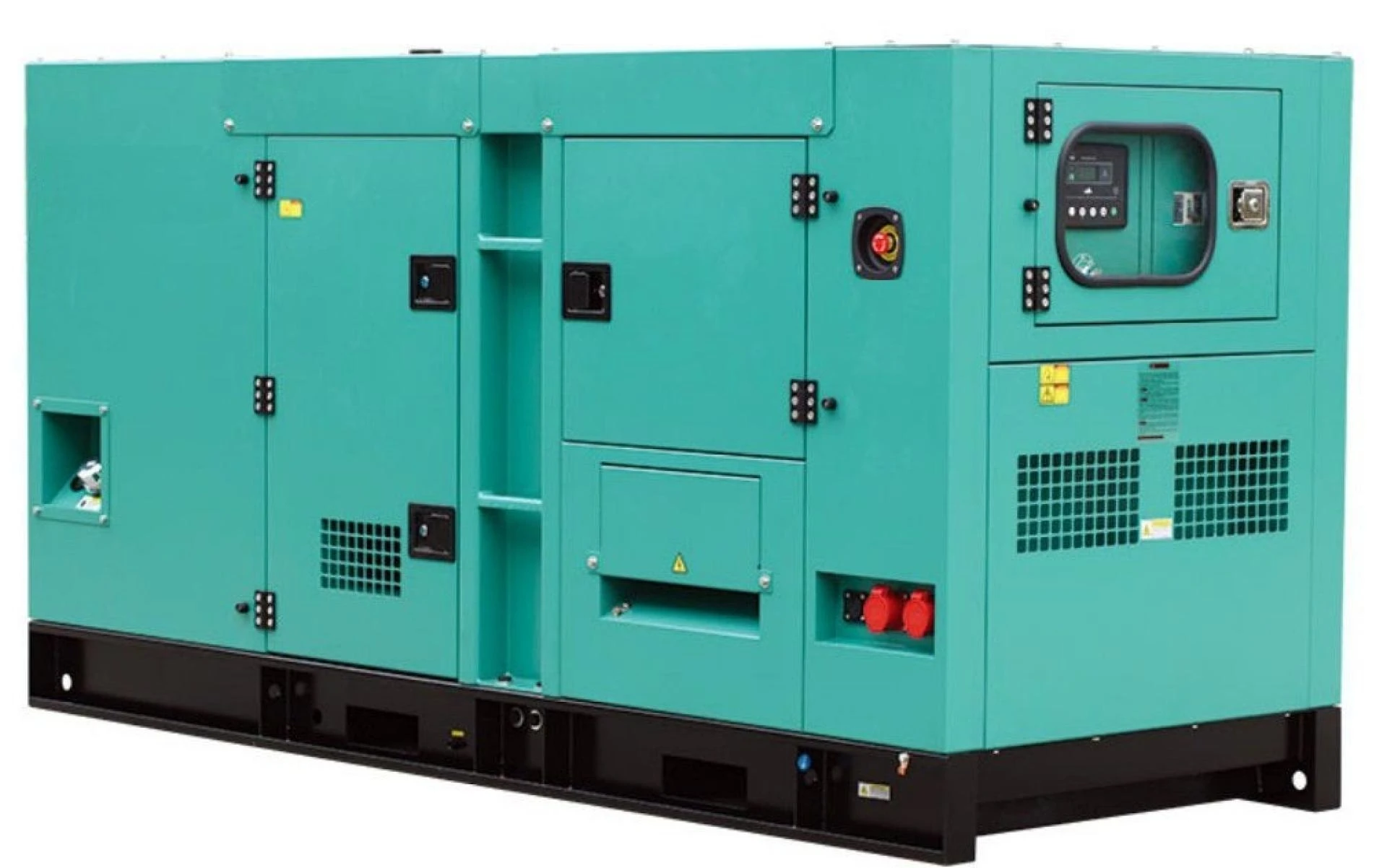

In construction, mining, healthcare, and industrial operations, generator reliability isn't a luxury—it's the backbone of productivity and safety. When a generator overheats, it can lead to immediate shutdown, costly downtime, and catastrophic damage to critical engine components like head gaskets, rotors, and alternators.
Understanding the root causes of heat buildup is the first step toward effective maintenance. Here are the five most common reasons a generator will overheat on site, and the practical steps you can take to prevent them.
1. Critical Cooling System Failure
The cooling system (radiator, coolant, fan, and water pump) is your generator's primary defense against excessive heat. When it fails, temperatures skyrocket.
Common Causes:
- Low Coolant Levels: Often due to undetected leaks from hoses, gaskets, or a damaged radiator core. Insufficient fluid means there's nothing to absorb and dissipate the engine's heat.
- Malfunctioning Components: A damaged radiator cap can prevent the system from maintaining necessary pressure, affecting boiling point and cooling efficiency. A broken fan belt or faulty water pump stops the necessary circulation of coolant.
- Contamination: Coolant that is old or contaminated can lose its thermal properties, leading to inefficient heat transfer.
Prevention on Site:
- Daily Fluid Check: Make checking coolant and oil levels part of your daily pre-start routine. Immediately investigate and repair any visible leaks.
- System Integrity: Regularly inspect hoses and belts for cracks, swelling, or excessive wear. Ensure the fan belt has the correct tension and the fan spins freely.
- Scheduled Flushing: Adhere to the manufacturer’s schedule for flushing the cooling system and replacing the coolant to maintain its proper chemical balance.
2. Restricted Airflow and Ventilation
Generators rely on moving a massive volume of air to cool the engine and the alternator. If the hot air can't escape, or the cooling air can't get in, the temperature will quickly rise.
Common Causes:
- Blocked Vents/Radiator: Dust, dirt, leaves, sand, or construction debris can clog the radiator fins and air intake screens, drastically reducing the amount of air passing over hot components.
- Recirculation: Operating the generator rental dubai in a small, enclosed space without proper ducting for exhaust. The generator ends up pulling its own hot exhaust air back in, raising the intake temperature.
- Improper Placement: Placing the generator too close to a wall, fence, or other equipment that obstructs the required clearance for airflow.
Prevention on Site:
- Clearance is Key: Ensure the generator is placed in a well-ventilated area with the minimum clearance around all intake and exhaust openings as specified by the manufacturer.
- Routine Cleaning: Use a soft brush or compressed air to regularly clear dirt and debris from the radiator fins, cooling vents, and air intakes. Never use high-pressure water, which can damage the sensitive fins.
- Exhaust Management: In housed or enclosed generators, verify that all exhaust ducting is intact and effectively directing hot air away from the unit's immediate area.
3. Generator Overloading (Exceeding Rated Capacity)
Generators are designed to operate at a specific capacity (e.g., kVA or kW). When the load connected to the generator is too high, the engine is forced to work beyond its design limits, generating excessive heat as a byproduct.
Common Causes:
- High Demand Surge: A sudden, large electrical load (like starting multiple heavy motors simultaneously) strains the alternator and engine.
- Continuous Overload: Operating the generator for extended periods at or above 100% of its maximum rated capacity.
- Improper Sizing: Using a generator that is too small for the site’s total power requirements.
Prevention on Site:
- Load Calculation: Before connection, perform a detailed load analysis to ensure the total connected load never exceeds 80% of the generator's rated capacity for continuous operation.
- Stagger Start-Up: Implement procedures to stagger the start-up of high-amperage equipment (pumps, compressors, cranes) to avoid a massive initial surge.
- Monitor Load: Utilize the generator’s control panel to constantly monitor the output load (Amps/kW) and keep it within safe operating limits.
4. Low or Contaminated Engine Oil
Engine oil serves a crucial dual purpose: lubrication and cooling. It absorbs heat from the engine's internal, moving metal components.
Common Causes:
- Low Oil Level: Insufficient oil leads to increased friction between parts, which creates heat.
- Oil Degradation: Old, contaminated, or oxidized oil loses its viscosity and ability to lubricate and absorb heat effectively.
- Wrong Oil Type: Using an oil viscosity not suited for the ambient operating temperature can cause it to break down faster under heat.
Prevention on Site:
- Level and Quality Checks: Check the oil level daily and the oil condition weekly. If the oil looks dark, milky, or sludgy, it needs immediate replacement.
- Follow Schedule: Stick strictly to the manufacturer's oil and filter change schedule, using only the recommended oil type and grade. For heavy-duty or dusty site conditions, the change interval may need to be shortened.
5. Clogged Filters and Blocked Exhaust
Anything that makes the engine work harder to produce the same power will lead to overheating. This often involves restrictions in the air intake and exhaust systems.
Common Causes:
- Clogged Air Filter: A dirty air filter starves the engine of oxygen, leading to incomplete combustion and forcing the engine to overwork.
- Blocked Exhaust: A damaged, corroded, or externally blocked exhaust pipe or muffler restricts the escape of hot exhaust gases, causing backpressure and excessive internal temperatures.
Prevention on Site:
- Air Filter Replacement: Inspect and replace the air filter regularly. On construction sites, this may be necessary more often than the standard maintenance schedule due to high dust levels.
- Exhaust Inspection: Visually inspect the exhaust system daily for signs of damage, leaks, or external blockages (e.g., debris, nesting birds). Ensure the exhaust gases are vented safely and clearly away from the unit.
The On-Site Takeaway
Preventing generator overheating is less about fixing a sudden problem and more about disciplined preventive maintenance. By dedicating a few minutes each day to checking fluid levels, inspecting filters, and ensuring proper airflow, you can avoid unexpected breakdowns, extend the life of your equipment, and keep your site running smoothly.






























Sign in to leave a comment.