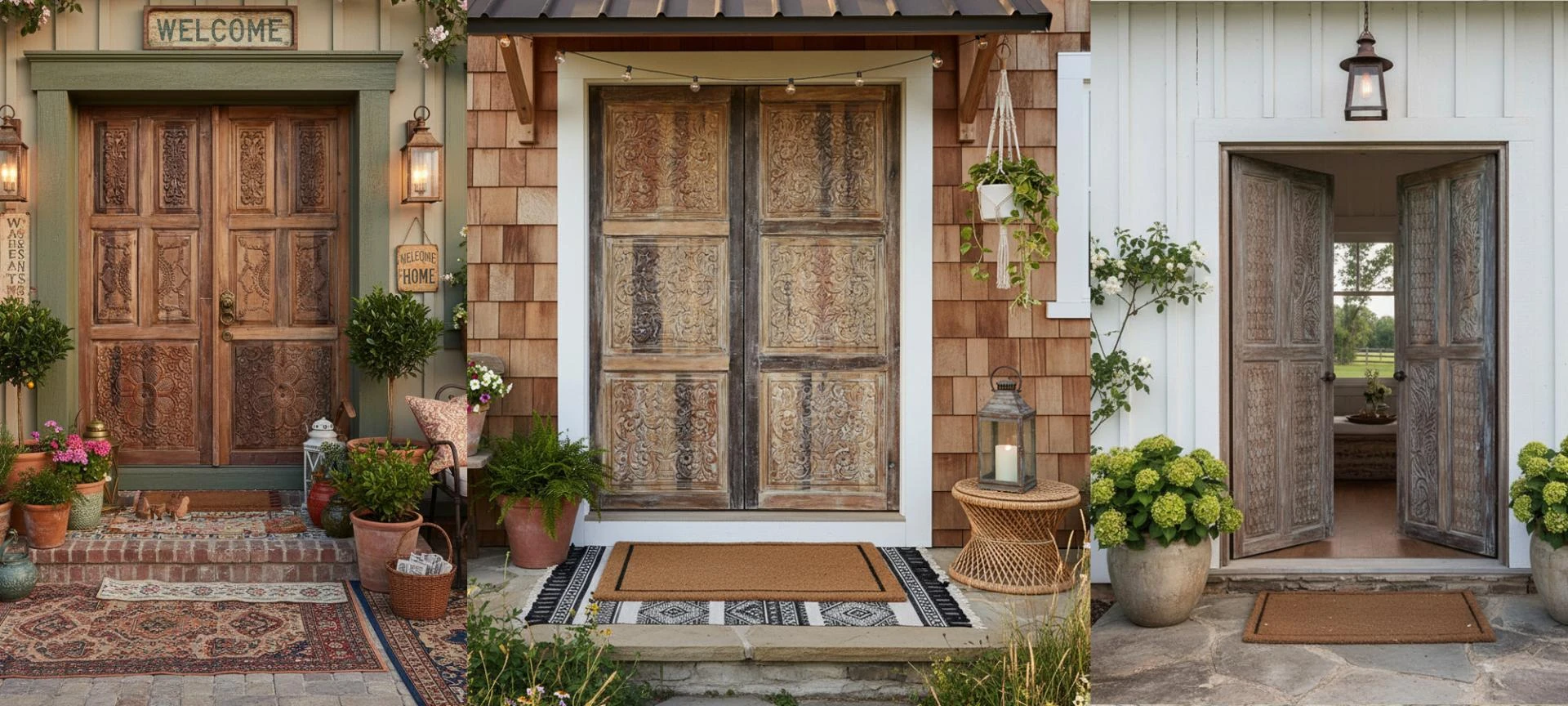

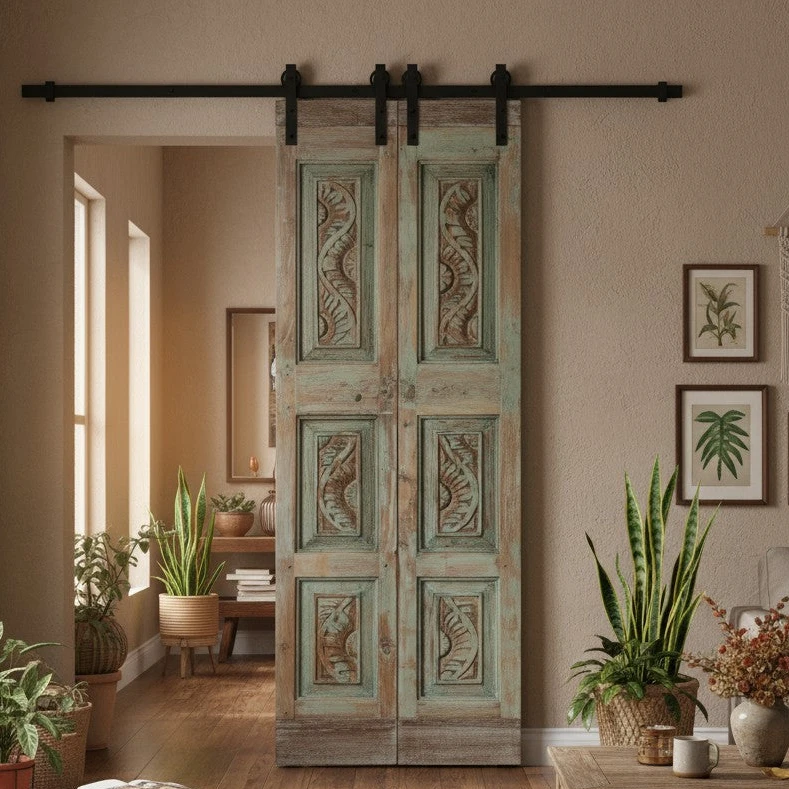
Nestled behind a wrought-iron gate and climbing bougainvillea, this 1920s Spanish Revival home tells a different story in every doorway. The property's most enchanting feature isn't its terracotta roof tiles or arched windows—it's the collection of hand-carved wooden doors that transform each room into its own narrative space.

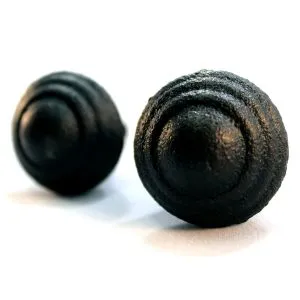
The journey begins at the entry, where a massive mesquite door depicts a flourishing citrus grove, complete with oranges and lemons in various stages of ripeness. Step inside, and the living room door showcases intricate grapevines winding around a medieval-style iron handle, while the dining room entrance features carved pomegranates symbolizing abundance and hospitality.

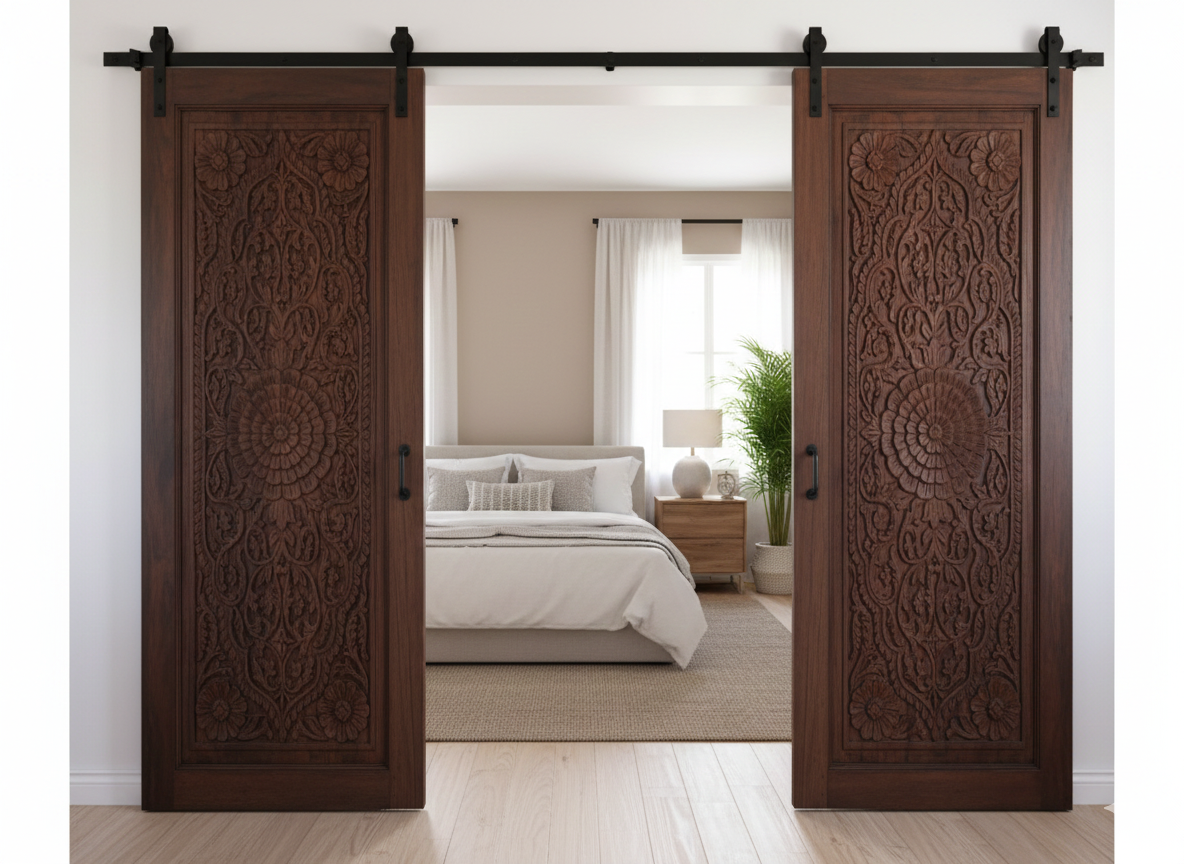
Each bedroom door reflects its occupant's personality through carved tableaux. The primary suite door displays night-blooming jasmine flowers intertwined with crescent moons, while a child's room features playful rabbits hiding among carved carrots and garden vegetables. The library door takes a more scholarly approach, with oak leaves and acorns framing panels of tooled leather.

The kitchen and bathroom doors continue the theme with herb gardens and water lilies respectively, their relief carvings deep enough to cast dramatic shadows in the California sunlight that filters through the home's characteristic small windows.

What makes this collection truly remarkable is its cohesiveness. Despite each door's unique subject matter, they share a consistent Moorish-influenced style with rounded arches and geometric borders that unite the home's aesthetic. The warm honey-colored wood develops a rich patina that deepens with age, making the floral and botanical motifs seem to grow more alive over time.
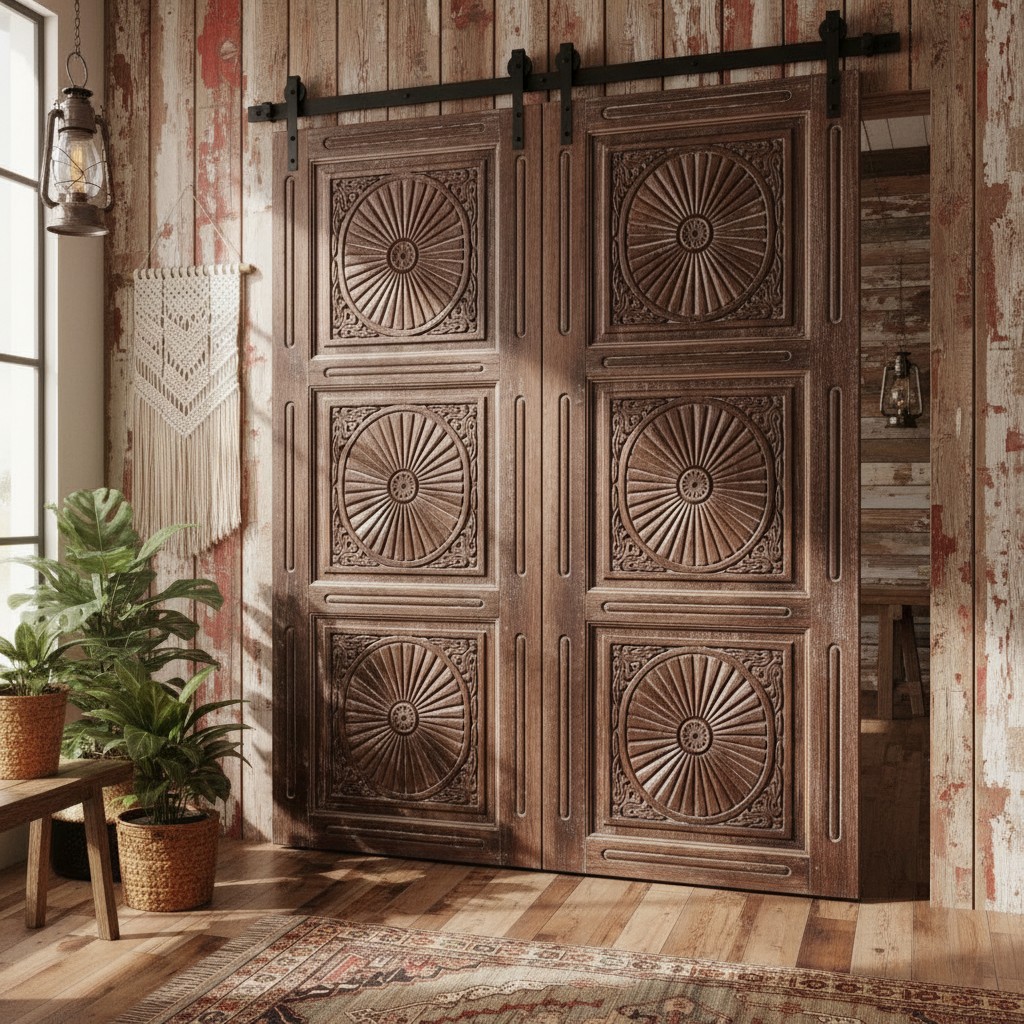
This home proves that Spanish Revival architecture's romance lies not just in its grand gestures—the courtyards and fountains—but in thoughtful details that reward daily discovery. Here, even the simple act of opening a door becomes a moment of artistic appreciation





















Sign in to leave a comment.