
Introduction:
In the hustle and bustle of modern urban life, managing vehicular traffic efficiently has become a paramount concern. The ever-increasing number of vehicles on the road presents numerous challenges, from congestion to environmental issues. To address these challenges, cities around the world are turning to technology-driven solutions, and one such solution is the Vehicle Traffic Management System. In this article, we will delve into the intricacies of this system, exploring its features, benefits, and impact on our daily lives.
Understanding the Vehicle Traffic Management System
What is the Vehicle Traffic Management System?
The Vehicle Traffic Management System, often abbreviated as VTMS, is a sophisticated, integrated network of technologies and strategies aimed at regulating and optimizing the flow of vehicular traffic on urban roadways. It encompasses a wide array of components, including traffic lights, sensors, cameras, and data analysis tools, all working in concert to alleviate congestion, improve safety, and enhance overall traffic efficiency.
How Does VTMS Work?
VTMS relies on a combination of real-time data collection, analysis, and decision-making algorithms. Here's a simplified breakdown of its functioning:
Data Collection: Various sensors and cameras installed along roadways gather data on traffic volume, speed, and vehicle types.
Data Analysis: Advanced software processes this data, identifying traffic patterns, bottlenecks, and potential issues.
Control Mechanisms: Based on the analysis, VTMS can adjust traffic lights, and lane configurations, and even display real-time information on electronic signage to guide drivers and reduce congestion.
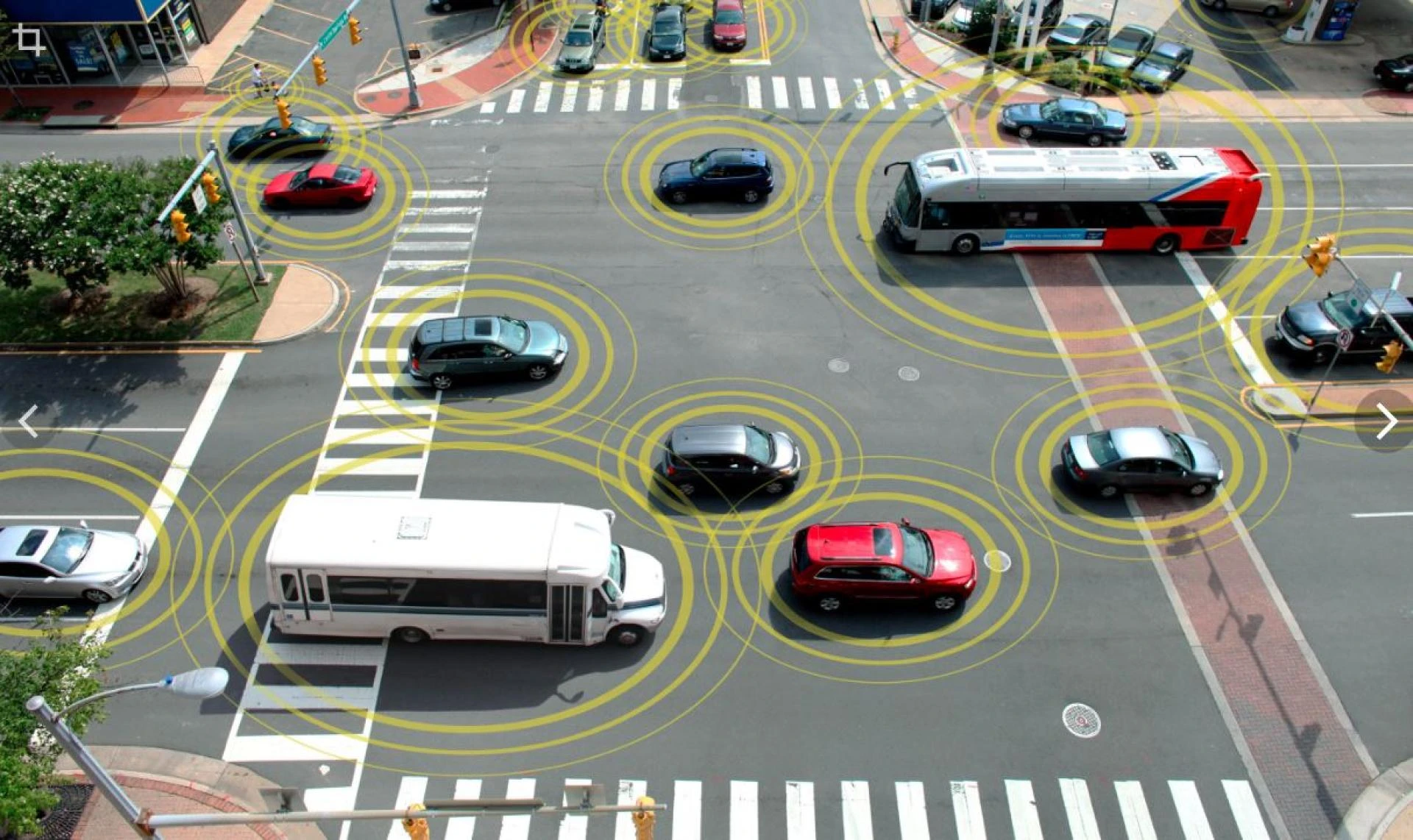
Communication: VTMS can also communicate with vehicles equipped with smart technology, providing drivers with traffic updates and rerouting suggestions.
The Benefits of VTMS
Implementing a Vehicle Traffic Management System can yield a multitude of advantages for cities and their residents. Let's explore some of these benefits:
1. Congestion Reduction
By optimizing traffic flow and rerouting vehicles when necessary, VTMS helps reduce congestion on busy roads. This means shorter travel times and less frustration for commuters.
2. Improved Safety
Enhanced traffic management can lead to safer roads. VTMS can detect accidents and hazards promptly, enabling quicker response times from emergency services and reducing the likelihood of secondary accidents.
3. Environmental Benefits
Reducing traffic congestion doesn't just save time; it also cuts down on fuel consumption and greenhouse gas emissions. This contributes to a healthier environment and improved air quality in urban areas.
4. Data-Driven Decision Making
VTMS generates a wealth of data that can be invaluable for urban planners and policymakers. It helps them make informed decisions about infrastructure improvements and traffic management strategies.
5. Enhanced Public Transportation
Integrated VTMS can coordinate with public transportation systems, ensuring buses and trains run on schedule and that passengers have accurate information about arrival times.
FAQs about Vehicle Traffic Management System
Is VTMS only suitable for large cities?
No, VTMS can be implemented in cities of all sizes. While larger cities often have more complex systems, smaller cities can benefit from scaled-down versions that focus on specific traffic hotspots.
Does VTMS invade privacy with all the cameras and sensors?
VTMS is designed to collect data for traffic management purposes, not to invade privacy. Data collection is typically anonymous and focused on traffic-related information, such as vehicle counts and speeds.
How much does it cost to implement VTMS?
The cost of implementing VTMS varies widely depending on the scale and complexity of the system. However, many cities find that the long-term benefits in terms of reduced congestion and improved safety far outweigh the initial investment.
Can VTMS reduce traffic accidents?
Yes, VTMS can play a significant role in reducing traffic accidents by detecting hazards and alerting authorities promptly. Additionally, the system's ability to optimize traffic flow can minimize the likelihood of accidents caused by congestion.
Does VTMS have any impact on public transportation?
Yes, VTMS can positively impact public transportation by coordinating schedules, reducing delays, and providing passengers with real-time information. This can make public transit a more attractive option for commuters.
Conclusion
The Vehicle Traffic Management System is a technological marvel that holds the key to solving many of the traffic-related challenges faced by modern cities. By leveraging data, communication, and smart algorithms, VTMS can transform the way we navigate our urban landscapes. From reducing congestion and improving safety to benefiting the environment and enhancing public transportation, the advantages of this system are numerous.
As we look to the future, it's clear that VTMS will continue to evolve and play an increasingly critical role in shaping the mobility of our cities. Its potential to create smarter, more efficient transportation networks is undeniable, making it an essential tool for urban planners and policymakers striving to create better, more livable cities.
In the face of growing urbanization and the constant expansion of vehicular traffic, the Vehicle Traffic Management System stands as a beacon of hope, offering a path toward a more sustainable, safer, and less congested future. Its implementation is not just a matter of convenience; it's a necessity for the cities of tomorrow. So, as we move forward, let us embrace this technology and pave the way for a brighter, more efficient urban landscape where the Vehicle Traffic Management System plays a pivotal role in our daily lives.









Sign in to leave a comment.