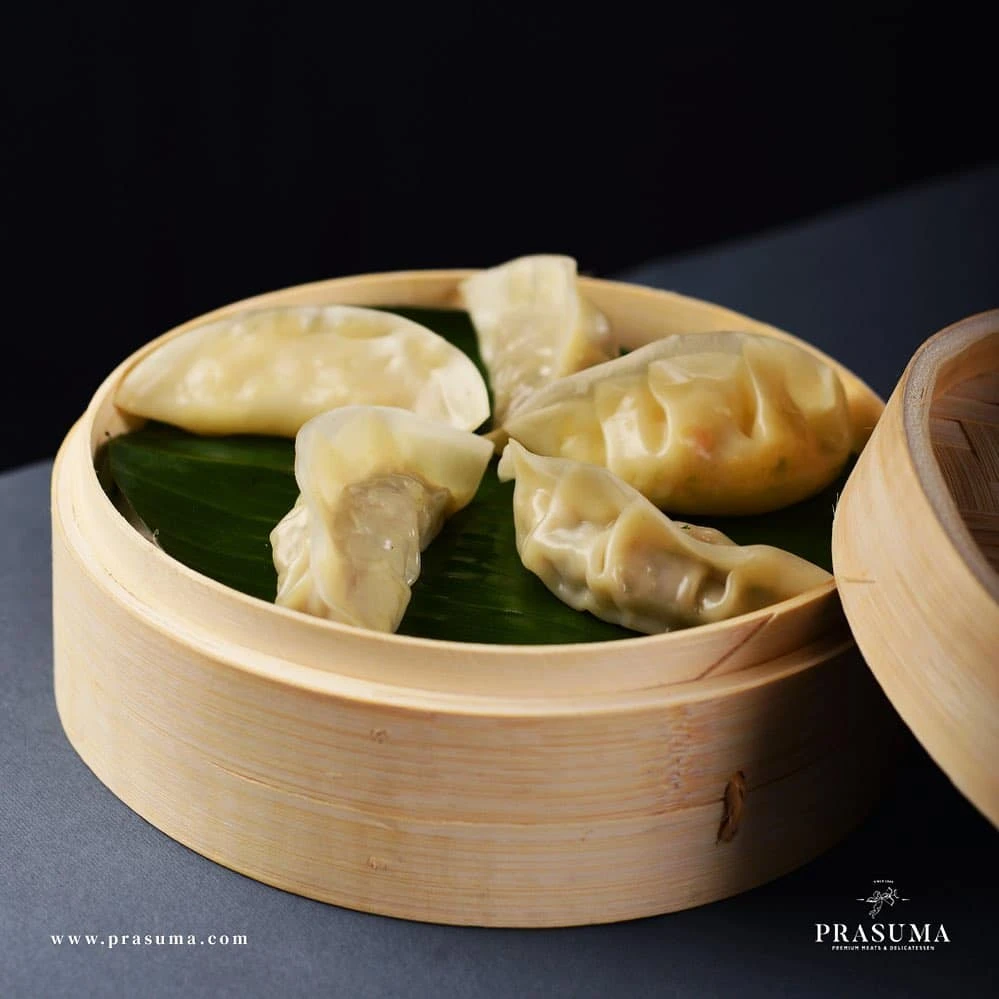

You look for three things in a location before you either go there for a holiday or vacation or decide on shifting there. They are the famous spots, the people and most importantly - the food. A lot of things the best momos, crêpes, and chicken skewers and vada pavs all across the world have in common— they are all street foods that turn into delicious gateways to the cultures and histories of their respective locations. According to recent research conducted by the UN, it showed that roughly 2.5 billion people around the world satiate their cravings through street food, cementing its place as a staple source of food around the world.
Street food is not a recent concept as well. It goes as far back as ancient Rome and China, where the poor consumed street food regularly. And so unquestionably, there is a clear pattern within the street food industry where the food was meant to be consumed by the poor whereas the wealthy chose not to.
But times are different now - we all love indulging in street food because that’s what we grew up doing. It became a part of our lives at an early stage, and no matter how rich and successful we become, we still go back to our roots and eat the same old stuff. Street food becomes a gateway to some of your most fond memories. And of course, you pass down those same feelings to the next generation.
So what makes street food so popular? Is the convenience, the accessibility, the prices or all of the above? Several characteristics of street food make it as popular and the global phenomenon it is today.
They include:
1. On-the-go:
The main characteristic of street food is that it is incredibly convenient. So convenient that it just easily slides into the consumers’ other plans for the day, which is a much-needed characteristic to have in today’s busy world. Nobody has the time to sit around and eat food in a relaxed state. Everything needs to be on the go, and street food is exactly that, transportable and can be eaten on the move.
2. Accessible:
Street food is accessible. No matter where you are, you will find a stall that’ll quickly serve you some food. Most of them have short, limited menus that make the decision making the process a lot more efficient and easier. But that’s not the only thing that makes it accessible. The incredibly convenient pricing is what sells the food. The affordable prices increase the chances for frequent visits, in turn boosting popularity and sales. And with the constant growth and variety of dishes available in every corner of the world, street food makes premium food experiences accessible.
3. Spontaneous:
Ever planned anything on the spot, and carried it out immediately? That rush you get from spontaneity is the same you get from street food. The spontaneous cravings you get is what drives the experience of street food. No reservations, no planning, no menus - it’s just all about delving into a world of flavours with either crepe, hot dogs or momos ready to eat as you embark on a sensory journey.
4. Diverse:
The variety in street food is diverse and extensive, as not only does it bring forth its own culture and heritage through the dishes, but also gets the flavours from across the world. And precisely why street food is perceived by most as the destination to explore a bunch of new foods that have an authentic and homemade feel to them.
5. Seasonal:
A lot of street food stalls are seasonal occurrences. A dish might be popular during the summers like ice creams, but you wouldn’t even think about having one during the winters. Similarly, you’d love to have some hot steaming momos during the winter, but frozen momos you’d want to have, even in the summers.
With the pandemic though, the street food industry has declined quite a bit. People would pick safer options than to risk themselves. Street food vendors have tried to be as safe and hygienic as possible, but fear stops people from going forward and eating at their favourite places again. Most vendors couldn’t stay afloat and had to shut shop because of it. Those who barely managed to stick the heads above the surface have done well to do so, but we don’t know what the future holds. And so initiatives must be taken to keep the industry intact and to save the flavours you fell in love with as a kid.





Sign in to leave a comment.