
Introduction
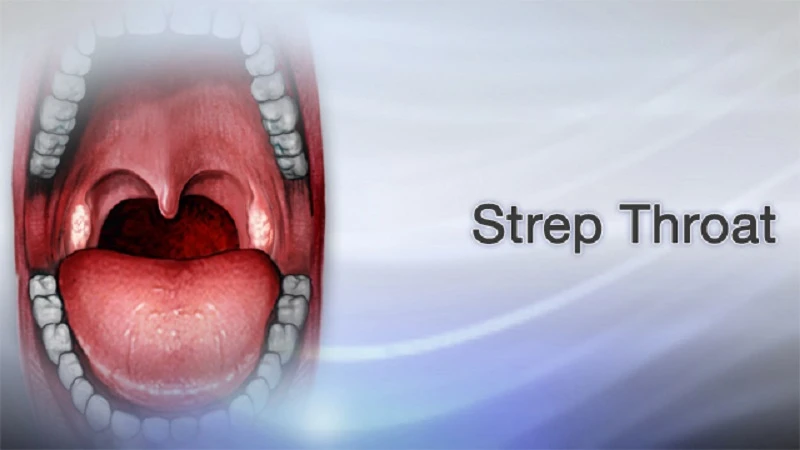
Strep throat, also known as streptococcal pharyngitis, is an infection caused by the bacterium Streptococcus pyogenes. It commonly affects the throat and the tonsils, but it can also occur in individuals who have had their tonsils removed. Here's what you need to know about strep throat without tonsils:
Symptoms:
Strep throat symptoms typically include a sore throat, difficulty swallowing, swollen and tender lymph nodes in the neck, fever, headache, and white patches or streaks of pus on the back of the throat. Even without tonsils, these symptoms can still occur, as the infection primarily affects the throat.
Diagnosis:
A definitive diagnosis of strep throat is made through a rapid antigen test or a throat culture. The healthcare provider will swab the back of the throat to collect a sample, which is then tested for the presence of Streptococcus pyogenes. The absence of tonsils does not affect the accuracy of the test.
Treatment:
Strep throat is typically treated with antibiotics to eliminate the bacterial infection and prevent complications. Antibiotics such as penicillin or amoxicillin are commonly prescribed. Even without tonsils, the same antibiotics are effective in treating strep throat.
Complications:
If left untreated or inadequately treated, strep throat can lead to complications, such as tonsillar abscess, sinusitis, otitis media (middle ear infection), scarlet fever, rheumatic fever, or post-streptococcal glomerulonephritis. These complications can still occur in individuals without tonsils.
1. Home care:
To alleviate the symptoms and promote recovery, individuals with strep throat can try the following measures:
Get plenty of rest.Drink warm liquids like tea with honey or warm broth to soothe the throat.Gargle with warm saltwater to relieve throat pain.Use over-the-counter pain relievers, such as acetaminophen or ibuprofen, under the guidance of a healthcare provider.Stay hydrated by drinking plenty of fluids.2. Contagiousness:
Strep throat is highly contagious and can be spread through respiratory droplets. It is important to practice good hygiene, such as frequent handwashing, covering the mouth and nose while coughing or sneezing, and avoiding close contact with others to prevent the spread of the infection.
If you suspect you have strep throat, it is advisable to consult a healthcare professional for an accurate diagnosis and appropriate treatment, even if you have had your tonsils removed. They can evaluate your symptoms, conduct any necessary tests, and provide appropriate guidance for your specific situation.











Sign in to leave a comment.