

Stroke rarely announces itself in advance. One moment you are fine, and the next your speech slurs, an arm goes weak, or your vision blurs. Stroke remains one of the leading causes of death and long-term disability worldwide, and India carries a particularly heavy burden. The encouraging part is that a large share of strokes are preventable. A stroke risk screening test helps you understand your personal danger level long before symptoms appear, giving you time to act.
What Is a Stroke Risk Screening Test?
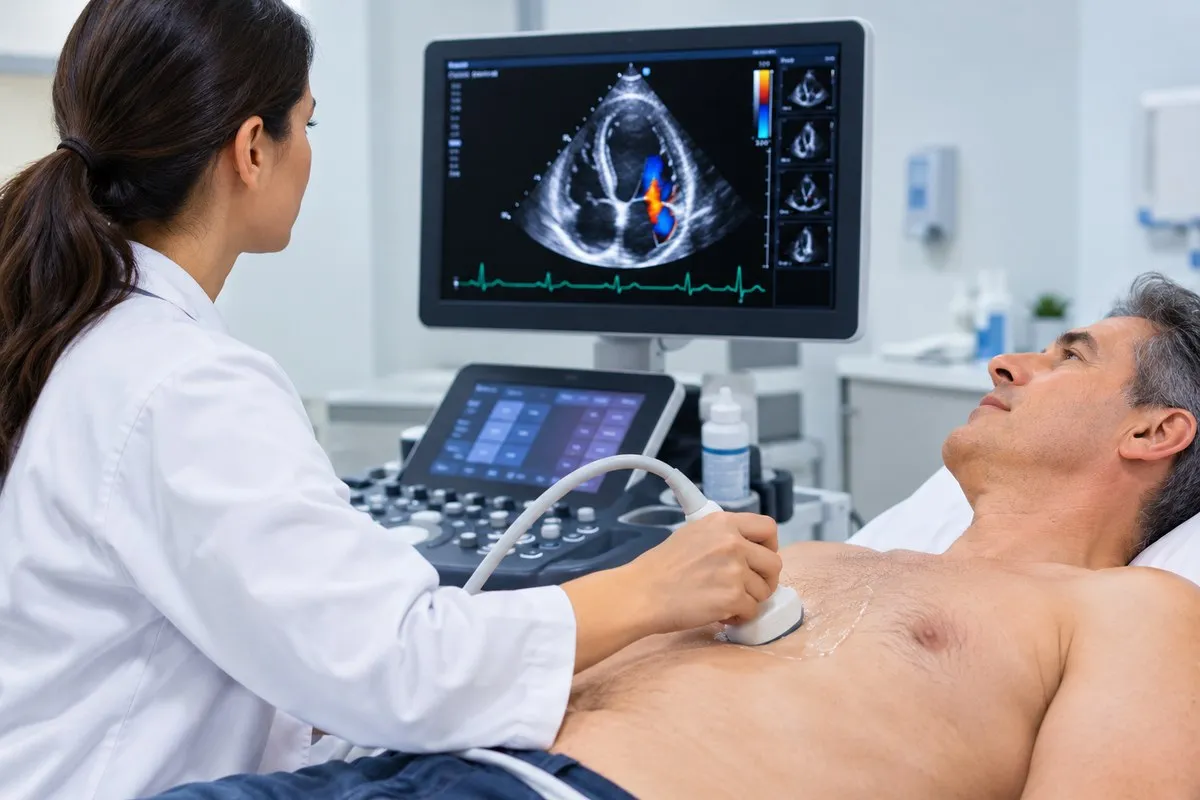
A stroke risk screening test is not a single procedure. It is a combination of checks that estimate how likely you are to have a stroke in the coming years. Doctors typically review your medical history, measure blood pressure, check blood sugar and cholesterol, and listen for abnormal heart rhythms. Depending on your profile, they may add imaging tests that look directly at the blood vessels supplying your brain.
The goal is simple: find silent problems such as high blood pressure, narrowed arteries, or atrial fibrillation while they can still be managed.
Why Early Screening Matters
Many people with high blood pressure or atrial fibrillation have no symptoms at all, which is why waiting for warning signs is risky. Screening shifts care from reacting to an emergency to preventing one.
Who Should Consider Screening?
A stroke risk screening test is worth discussing with your doctor if you:
- Are over 55 or have a family history of stroke or heart disease
- Live with high blood pressure, diabetes, or high cholesterol
- Smoke, use tobacco, or drink heavily
- Have an irregular heartbeat
- Are overweight or physically inactive
- Have previously experienced a mini-stroke (TIA)
Younger adults are not exempt. Stress, sedentary jobs, and poor sleep are pushing stroke cases into the 30s and 40s. Women should also note that pregnancy complications and hormonal therapy can raise risk.
Key Tests in a Stroke Risk Screening
Blood pressure measurement. Hypertension is the biggest controllable risk factor. Regular readings, including home monitoring, catch problems early.
Blood tests. Cholesterol, triglycerides, HbA1c, and fasting glucose reveal whether your arteries are under metabolic strain.
ECG and heart rhythm monitoring. Atrial fibrillation can let clots form in the heart and travel to the brain. A simple ECG or a longer wearable monitor can detect it.
Carotid artery imaging. The carotid arteries run along each side of your neck and deliver blood to the brain. Plaque buildup here is a well-known cause of stroke. Many people ask, what is a carotid ultrasound? It is a painless, non-invasive scan that uses sound waves to create images of these arteries. A technician glides a small probe over your neck, and the images show whether plaque has narrowed the vessel and how well blood is flowing. There is no radiation and no needles, and results are usually available the same day.
How to Prepare
Preparation is usually minimal. Wear comfortable clothing with an open neckline, bring a list of your current medications, and follow any fasting instructions if blood tests are included. Carry previous reports so your doctor can compare results over time.
Understanding Your Results
Results are generally grouped into low, moderate, or high risk. Low risk means you should keep up healthy habits and repeat screening as advised. Moderate or high risk does not mean a stroke is certain. It means action now can change the outcome. Your doctor may recommend medication to control blood pressure or cholesterol, blood thinners, or, in cases of severe carotid narrowing, a procedure to open or protect the artery.
Lifestyle Steps That Lower Risk
Screening works best alongside daily habits:
- Eat more vegetables, fruit, whole grains, and legumes, and cut back on salt, fried food, and processed snacks.
- Walk or exercise for at least 30 minutes on most days.
- Quit smoking, since risk begins dropping soon after you stop.
- Limit alcohol.
- Manage stress and sleep seven to eight hours a night.
- Take prescribed medication consistently, even when you feel fine.
Know the Warning Signs
Even with regular screening, learn the FAST signs: Face drooping, Arm weakness, Speech difficulty, Time to call emergency services. Every minute counts, so do not wait for symptoms to pass.
Final Thoughts
A stroke risk screening test is a small investment of time with potentially life-changing returns. It turns uncertainty into information, and information into prevention. If you fall into any of the risk groups above, speak to your doctor about which tests suit you. Book the appointment, protect your brain, and encourage the people you love to do the same.


















Sign in to leave a comment.