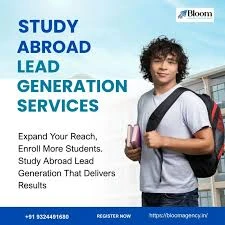

In today’s interconnected world, studying abroad has become a top priority for many students seeking to expand their academic horizons and career prospects. However, for educational institutions and agencies, the challenge lies in reaching the right audience. Study abroad lead generation plays a crucial role in connecting prospective students with the programs that best fit their goals.
What is Study Abroad Lead Generation?
Study abroad lead generation is the process of attracting, capturing, and nurturing potential students who are interested in pursuing education overseas. Unlike general marketing, lead generation focuses on creating meaningful connections, ensuring that students receive the guidance and resources they need to make informed decisions.
The process involves:
- Attracting students through engaging content and campaigns.
- Capturing their interest through forms, consultations, or downloadable resources.
- Nurturing leads with personalized communication until they are ready to apply.
Why Study Abroad Lead Generation Matters
With thousands of universities and programs competing for the attention of international students, simply having an online presence is not enough. Effective study abroad lead generation helps institutions:
- Reach a targeted audience of students actively seeking study abroad options.
- Reduce marketing costs by focusing only on qualified leads.
- Build trust and credibility through informative content.
- Track and analyze performance to optimize campaigns.
Without a structured lead generation strategy, institutions risk missing out on high-quality students.
Effective Strategies for Study Abroad Lead Generation
1. Content Marketing
Providing valuable content is essential to attract prospective students. Blogs, eBooks, videos, and webinars can educate students about programs, scholarships, and cultural experiences abroad. High-quality content also positions your institution as a thought leader in the international education space.
2. Social Media Engagement
Social media platforms such as Instagram, Facebook, LinkedIn, and TikTok are excellent tools for connecting with students. Sharing success stories, scholarship opportunities, and hosting live Q&A sessions can significantly increase engagement and attract leads.
3. Search Engine Optimization (SEO)
Students often search online for programs, scholarships, and universities abroad. Optimizing your website and content for relevant keywords ensures that your institution appears in search results, attracting organic leads without heavy advertising costs.
4. Paid Campaigns
Targeted advertising on Google, Facebook, or Instagram can accelerate lead generation. Retargeting campaigns are especially effective in re-engaging students who have already shown interest in your programs.
5. Personalized Communication
Once leads are captured, nurturing them is key. Sending personalized emails based on student interests, preferred destinations, or academic background increases the likelihood of conversion. Automation tools can streamline follow-ups while maintaining a personal touch.
Measuring Success in Lead Generation
To ensure your strategies are effective, track key metrics such as:
- Conversion Rate: Percentage of leads who proceed to apply.
- Cost per Lead (CPL): How much is spent to acquire a qualified lead.
- Click-Through Rate (CTR): Engagement with content and ads.
- Lead Quality: Whether leads meet the target demographic and academic criteria.
Regularly analyzing these metrics helps refine strategies and improve results over time.
Challenges in Study Abroad Lead Generation
While lead generation offers significant benefits, it also comes with challenges:
- High competition among institutions.
- Diverse cultural and language backgrounds of students.
- Changing admission, visa, and scholarship policies.
Overcoming these challenges requires adaptability, personalized communication, and consistent engagement.
Conclusion
Study abroad lead generation is essential for connecting students with the right educational opportunities abroad. By leveraging content marketing, social media engagement, SEO, paid campaigns, and personalized nurturing, institutions can attract qualified leads and guide students through the application process. In a competitive global education market, focusing on effective lead generation ensures sustainable growth and meaningful student engagement.
























Sign in to leave a comment.