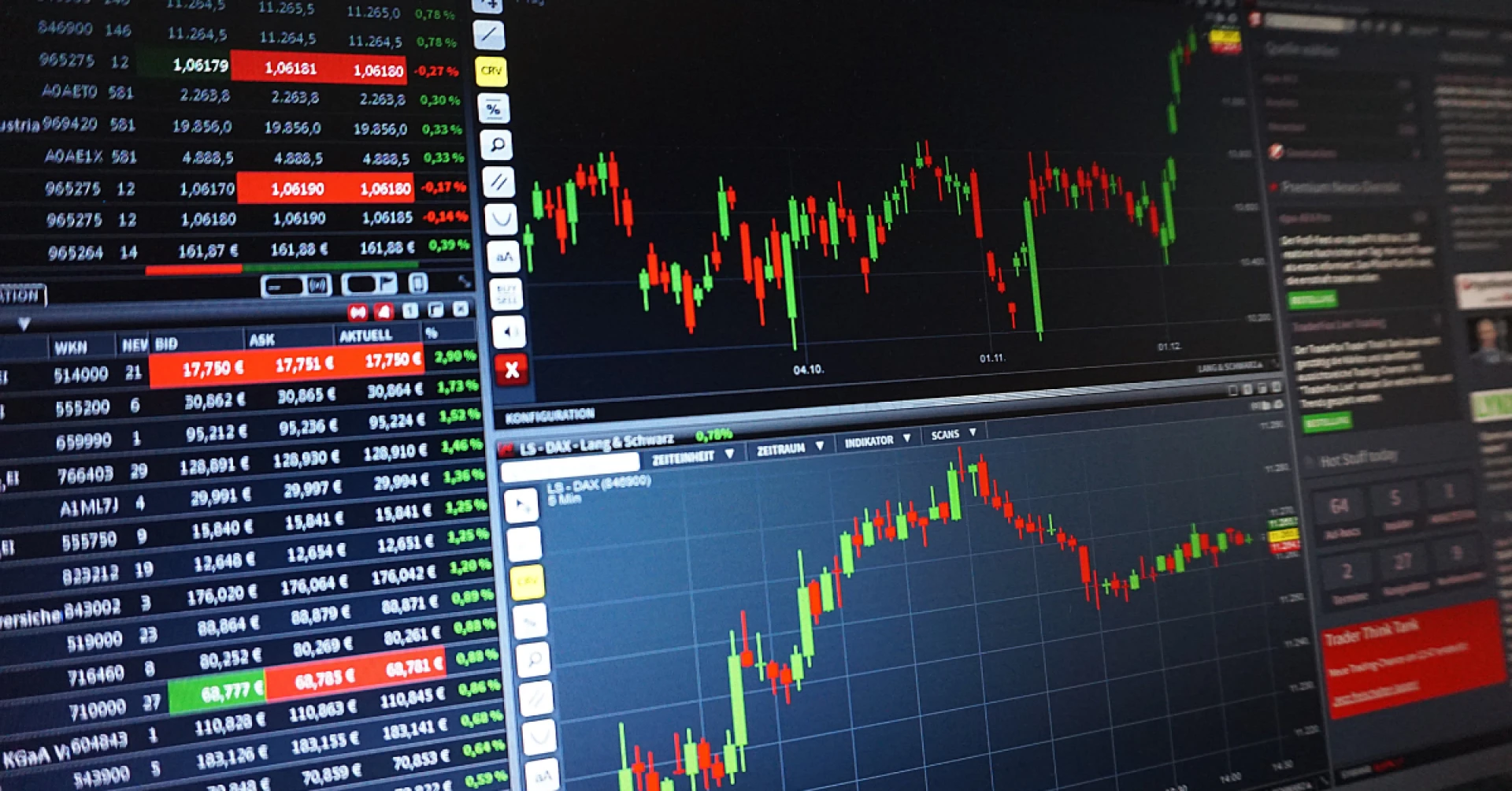

If you’ve ever wondered why some Forex traders thrive while others barely survive, the secret lies in one critical factor: risk management. While Forex trading can be thrilling—markets are open 24/5 and opportunities seem endless—it’s easy to get caught up in the excitement. Without a solid risk management strategy, however, things can quickly take a turn for the worse. Let’s break it down and simplify risk management, so you can focus on trading smarter, not harder.
What Is Risk Management in Forex?
At its core, risk management is about protecting your capital while taking calculated risks. Think of it as a safety net that doesn't prevent you from climbing high, but keeps you safe if you fall. Forex markets are volatile, with prices often swinging due to world events, news, and other unpredictable factors. Without a risk plan, even a profitable trade can quickly turn into a loss.
Essential Forex Risk Management Strategies
1. Use Stop-Loss and Take-Profit Orders
It’s tempting to let a trade run, hoping for bigger profits, but having clear stop-loss and take-profit levels in place is essential. These orders act like guardrails on a winding road—they limit your losses and lock in your gains. This way, you have a clear exit point, whether the market moves in your favor or against you.
2. Be Mindful of Leverage
Leverage is a double-edged sword. While it lets you control large positions with a small deposit, it can just as easily amplify losses as it can profits. If you’re new to Forex, use conservative leverage ratios to minimize risks. As you gain experience, you can adjust your leverage strategy, but always be cautious of overextending yourself.
3. Diversify Your Currency Pairs
The old saying “Don’t put all your eggs in one basket” applies here. Spreading your trades across different currency pairs can help reduce risks. This way, even if one trade goes against you, your overall portfolio won’t be too negatively impacted. Diversification can help stabilize your trading outcomes over time.
Also Read: How to Avoid Common Mistakes When Using Forex Online Signals for Trading
4. Stick to a Clear Trading Plan
Emotional trading is a major pitfall. One of the best ways to avoid this is by having a well-thought-out trading plan that you stick to, no matter what. Define your risk limits, entry points, and exit strategies ahead of time. This keeps your decision-making process objective and reduces the chances of impulsive, high-risk trades.
5. Leverage Expert Insights
It can be helpful to tap into the knowledge of experienced traders. Platforms offering verified trading signals provide data-driven insights that can guide your decision-making process. These signals can offer valuable perspectives on potential market movements, giving you a better chance of making informed decisions.
Final Thoughts: Take It Step-by-Step
Mastering risk management is a mindset, not just a set of strategies. It’s what differentiates successful traders from those who struggle. Start small, stick to your plan, and protect your capital. Use tools like the best forex signals to guide your decisions and enhance your trading strategies. Over time, you’ll refine your skills and build a more resilient approach to Forex trading. Keep in mind, trading success doesn’t happen overnight—it’s about consistent progress and smart decision-making.
By following these risk management techniques, you can make more calculated choices and reduce the chances of significant losses. Whether you’re just starting or looking to refine your approach, taking it step-by-step will help you improve over time.


























Sign in to leave a comment.